Best Nattokinase Supplements: Ranked and Reviewed (2026)

Beyond its fibrinolytic properties, nattokinase has garnered attention for its potential role in blood pressure support. Research indicates that nattokinase may act as an angiotensin-converting enzyme (ACE) inhibitor. ACE is an enzyme in the body that narrows blood vessels, thereby increasing blood pressure. By inhibiting ACE, nattokinase could contribute to the relaxation of blood vessels, leading to a reduction in blood pressure. Several randomized, placebo-controlled trials have reported modest but statistically significant reductions in both systolic and diastolic blood pressure in hypertensive and pre-hypertensive individuals. These findings suggest nattokinase could be a valuable longevity enzyme for maintaining cardiovascular wellness.

Table of Contents

Navigating Safety: Bleeding Risk and Drug Interactions

**Crucial Safety Warning:** Given its fibrinolytic activity, nattokinase carries an inherent risk of increasing bleeding, especially when combined with other medications that affect blood clotting. This includes prescription anticoagulants (e.g., warfarin, dabigatran, rivaroxaban) and antiplatelet drugs (e.g., aspirin, clopidogrel). Individuals on these medications should absolutely not take nattokinase without explicit medical supervision. Even common supplements like garlic, ginger, ginkgo biloba, and high-dose vitamin E can have mild antiplatelet effects and may increase bleeding risk when combined with nattokinase. Always discuss any new supplement, including nattokinase, with your physician, particularly if you have a bleeding disorder, are scheduled for surgery, or are taking any medications.

Factors to Consider When Choosing a Nattokinase Supplement

Selecting the best nattokinase supplement requires careful attention to several key factors. Not all products are created equal, and understanding these distinctions is vital for both efficacy and safety.

Enzyme Activity (FUs): The Gold Standard for Potency

Nattokinase potency is measured in Fibrinolytic Units (FUs), not milligrams. A higher FU count indicates greater enzymatic activity. Most clinical studies showing benefits have utilized doses ranging from 2,000 FUs to 4,000 FUs per day. Always check the FU count on the product label. A supplement listing only milligrams without FUs is generally unreliable.

Source and Purity: Non-GMO and Soy-Free Options

Since nattokinase is derived from soybeans, ensuring the product is made from non-GMO soybeans is important for many consumers. For individuals with soy allergies, some manufacturers offer “soy-free” nattokinase. These products typically remove residual soy proteins during the purification process. Always verify allergen statements if you have sensitivities.

Third-Party Testing and Quality Assurance

Independent third-party testing verifies the purity, potency, and absence of contaminants (heavy metals, microbes) in supplements. Look for certifications from organizations like NSF International, USP, or ConsumerLab. These certifications provide an extra layer of assurance regarding product quality and label accuracy.

Enteric Coating: Protecting the Enzyme

Nattokinase is a protein and can be degraded by stomach acid. An enteric coating helps protect the enzyme as it passes through the stomach, ensuring it reaches the small intestine where it can be absorbed effectively. While not all effective nattokinase supplements are enteric-coated, it is a feature that can enhance bioavailability.

Top Nattokinase Supplements: A Comparative Overview (2026)

When evaluating nattokinase supplements, we prioritize products that clearly state FU potency, originate from reputable manufacturers, and ideally provide evidence of third-party testing. While we cannot recommend specific brands or URLs due to the dynamic market and potential for product changes, we can outline the characteristics of top-tier products.
Feature High-Quality Nattokinase Supplement Lower-Quality Nattokinase Supplement
Potency Indication Clearly states Fibrinolytic Units (FUs), e.g., 2,000 FU, 4,000 FU Only states milligrams (mg) without FU equivalent
Source Material Non-GMO fermented soybeans; sometimes “soy-free” if purified Generic soy source; no mention of GMO status or purification
Quality Assurance Third-party tested for purity and potency; certifications (e.g., NSF, USP) No mention of third-party testing or quality certifications
Formulation Often enteric-coated capsules for enhanced absorption Standard capsules or tablets, potentially vulnerable to stomach acid
Transparency Clear ingredient list, manufacturing location, contact info Vague ingredient lists, limited company information
Manufacturer Reputation Established brands with a history of quality and positive reviews Unknown or new brands with limited track record

How to Integrate Nattokinase into Your Wellness Routine (With Physician Guidance)

For adults over 40 seeking natural cardiovascular support, nattokinase can be a valuable addition. Typical daily dosages range from 2,000 FU to 4,000 FU, often divided into two doses. It’s generally recommended to take nattokinase on an empty stomach to optimize absorption. **Crucial Reminder:** Before starting nattokinase, especially if you have existing health conditions, are taking medications (particularly anticoagulants or antiplatelets), or are pregnant/nursing, it is imperative to consult with your healthcare provider. Your physician can assess potential interactions and determine if nattokinase is appropriate for your individual health profile. Do not discontinue prescribed medications without medical advice.

Finding Nattokinase Supplements on Amazon

When searching for nattokinase supplements on Amazon or other online retailers, focus your search on specific quality indicators rather than just brand names. Look for products that clearly state their potency in Fibrinolytic Units (FUs). Utilize search terms such as “nattokinase 2000 FU enteric coated” or “soy free nattokinase third party tested” to filter results effectively. Prioritize descriptions that mention non-GMO sourcing and certifications for quality assurance. Always review customer feedback, but remember that personal experiences do not replace scientific evidence or medical advice.

Conclusion: Informed Choices for Cardiovascular Health

Nattokinase presents a compelling natural option for those interested in supporting cardiovascular health, managing blood pressure, and exploring avenues for blood clot prevention. Its fibrinolytic and ACE-inhibiting properties are supported by a growing body of research, positioning it as a longevity enzyme with significant potential.
Editor’s Pick
Nattokinase Supplement 4,000 FU Servings, 120 Capsules (Derived from Japanese Natto) Syste
Capsules000 FU120 count
Get Best Price › As an Amazon Associate we earn from qualifying purchases.
However, its potent activity necessitates a cautious and informed approach. Prioritizing supplements with clearly stated FU potency, third-party testing, and appropriate formulation, all under the guidance of a healthcare professional, is essential. By making evidence-based choices, you can responsibly integrate nattokinase into your proactive health strategy.

Frequently Asked Questions (FAQ)

What is the recommended daily dosage of nattokinase?

Most studies suggest a daily dosage between 2,000 Fibrinolytic Units (FUs) and 4,000 FUs, often divided into two doses. Always follow product label instructions or your physician’s guidance.

Can nattokinase replace my blood thinner medication?

No, nattokinase should never replace prescribed blood thinner medications. It is not approved as a drug and should only be considered as a complementary supplement under strict medical supervision due to bleeding risks.

Is nattokinase safe for people with soy allergies?

While nattokinase is derived from fermented soybeans, highly purified “soy-free” versions are available where residual soy proteins have been removed. If you have a severe soy allergy, consult your doctor and look for products explicitly labeled soy-free.

How long does it take for nattokinase to work?

The effects of nattokinase on fibrinolysis and blood pressure can vary. Some studies suggest measurable changes in blood parameters within weeks, but consistent use over several months is often required to observe potential clinical benefits.

What are the potential side effects of nattokinase?

The most significant potential side effect is an increased risk of bleeding, particularly if taken with other anticoagulant or antiplatelet medications. Other reported side effects are generally mild and uncommon, including gastrointestinal upset.

Should I take enteric-coated nattokinase?

Enteric coating helps protect the nattokinase enzyme from degradation by stomach acid, potentially enhancing its absorption and effectiveness. While not strictly necessary for all products, it is a beneficial feature to consider.
**FDA Health Disclaimer:** These statements have not been evaluated by the FDA. This product is not intended to diagnose, treat, cure, or prevent any disease. Are you among the millions of adults over 40 seeking proactive strategies to support your cardiovascular health, manage blood pressure, or explore natural avenues for blood clot prevention? The pursuit of longevity often involves optimizing internal systems, and for many, this leads to investigating natural enzymes like nattokinase. As research continues to unfold, understanding which nattokinase supplements truly offer the most evidence-backed benefits and safety profiles becomes paramount. This comprehensive guide will navigate the complex landscape of nattokinase supplements in 2026, providing an evidence-first review to help you make informed decisions. We will dissect the science, compare product attributes, and emphasize critical safety considerations, especially for those considering nattokinase alongside existing medical treatments. **Affiliate Disclosure:** Please note that this article contains affiliate links. If you make a purchase through these links, NattokinaseHub may earn a small commission at no extra cost to you. This helps support our research and content creation.

Understanding Nattokinase: The Cardiovascular Enzyme Explained

Nattokinase is an enzyme derived from natto, a traditional Japanese fermented soybean dish. It is produced by the bacterium *Bacillus subtilis* during the fermentation process. Unlike many enzymes, nattokinase has demonstrated systemic activity after oral ingestion, making it a subject of significant interest in cardiovascular health research. Its primary mechanism of action is its fibrinolytic activity, meaning it can directly break down fibrin, a protein essential for blood clot formation. This characteristic has positioned nattokinase as a potential natural blood clot prevention agent. Furthermore, studies suggest it may influence blood pressure regulation through several pathways.
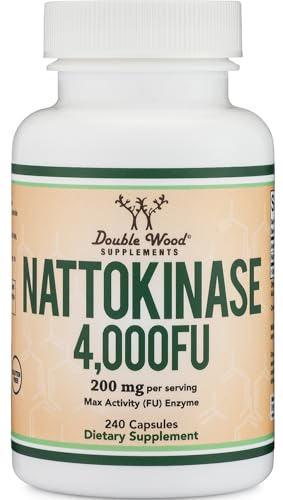
Nattokinase Supplement 4,000 FU Servings, 240 Capsules (Derived from Japanese Natto) Syste
Capsules000 FU240 count
Get Best Price › As an Amazon Associate we earn from qualifying purchases.

Nattokinase and Fibrinolysis: A Closer Look at Blood Clot Prevention

The ability of nattokinase to degrade fibrin directly is a cornerstone of its proposed cardiovascular benefits. Fibrin accumulation can contribute to the thickening of blood and the formation of thrombi, which are dangerous blood clots. By helping to break down existing fibrin and potentially preventing excessive new fibrin formation, nattokinase supports healthy blood flow. Human studies, while often small in scale, have shown nattokinase to reduce plasma levels of fibrinogen, a precursor to fibrin. This effect contributes to its reputation as a fibrinolytic supplement. However, it is crucial to understand that nattokinase is not a substitute for prescribed anticoagulant or antiplatelet medications and should never be used to self-treat or prevent acute thrombotic events.

Nattokinase for Blood Pressure Support: Mechanisms and Evidence

Beyond its fibrinolytic properties, nattokinase has garnered attention for its potential role in blood pressure support. Research indicates that nattokinase may act as an angiotensin-converting enzyme (ACE) inhibitor. ACE is an enzyme in the body that narrows blood vessels, thereby increasing blood pressure. By inhibiting ACE, nattokinase could contribute to the relaxation of blood vessels, leading to a reduction in blood pressure. Several randomized, placebo-controlled trials have reported modest but statistically significant reductions in both systolic and diastolic blood pressure in hypertensive and pre-hypertensive individuals. These findings suggest nattokinase could be a valuable longevity enzyme for maintaining cardiovascular wellness.

Navigating Safety: Bleeding Risk and Drug Interactions

**Crucial Safety Warning:** Given its fibrinolytic activity, nattokinase carries an inherent risk of increasing bleeding, especially when combined with other medications that affect blood clotting. This includes prescription anticoagulants (e.g., warfarin, dabigatran, rivaroxaban) and antiplatelet drugs (e.g., aspirin, clopidogrel). Individuals on these medications should absolutely not take nattokinase without explicit medical supervision. Even common supplements like garlic, ginger, ginkgo biloba, and high-dose vitamin E can have mild antiplatelet effects and may increase bleeding risk when combined with nattokinase. Always discuss any new supplement, including nattokinase, with your physician, particularly if you have a bleeding disorder, are scheduled for surgery, or are taking any medications.

Factors to Consider When Choosing a Nattokinase Supplement

Selecting the best nattokinase supplement requires careful attention to several key factors. Not all products are created equal, and understanding these distinctions is vital for both efficacy and safety.

Enzyme Activity (FUs): The Gold Standard for Potency

Nattokinase potency is measured in Fibrinolytic Units (FUs), not milligrams. A higher FU count indicates greater enzymatic activity. Most clinical studies showing benefits have utilized doses ranging from 2,000 FUs to 4,000 FUs per day. Always check the FU count on the product label. A supplement listing only milligrams without FUs is generally unreliable.

Source and Purity: Non-GMO and Soy-Free Options

Since nattokinase is derived from soybeans, ensuring the product is made from non-GMO soybeans is important for many consumers. For individuals with soy allergies, some manufacturers offer “soy-free” nattokinase. These products typically remove residual soy proteins during the purification process. Always verify allergen statements if you have sensitivities.

Third-Party Testing and Quality Assurance

Independent third-party testing verifies the purity, potency, and absence of contaminants (heavy metals, microbes) in supplements. Look for certifications from organizations like NSF International, USP, or ConsumerLab. These certifications provide an extra layer of assurance regarding product quality and label accuracy.

Enteric Coating: Protecting the Enzyme

Nattokinase is a protein and can be degraded by stomach acid. An enteric coating helps protect the enzyme as it passes through the stomach, ensuring it reaches the small intestine where it can be absorbed effectively. While not all effective nattokinase supplements are enteric-coated, it is a feature that can enhance bioavailability.

Top Nattokinase Supplements: A Comparative Overview (2026)

When evaluating nattokinase supplements, we prioritize products that clearly state FU potency, originate from reputable manufacturers, and ideally provide evidence of third-party testing. While we cannot recommend specific brands or URLs due to the dynamic market and potential for product changes, we can outline the characteristics of top-tier products.
Feature High-Quality Nattokinase Supplement Lower-Quality Nattokinase Supplement
Potency Indication Clearly states Fibrinolytic Units (FUs), e.g., 2,000 FU, 4,000 FU Only states milligrams (mg) without FU equivalent
Source Material Non-GMO fermented soybeans; sometimes “soy-free” if purified Generic soy source; no mention of GMO status or purification
Quality Assurance Third-party tested for purity and potency; certifications (e.g., NSF, USP) No mention of third-party testing or quality certifications
Formulation Often enteric-coated capsules for enhanced absorption Standard capsules or tablets, potentially vulnerable to stomach acid
Transparency Clear ingredient list, manufacturing location, contact info Vague ingredient lists, limited company information
Manufacturer Reputation Established brands with a history of quality and positive reviews Unknown or new brands with limited track record

How to Integrate Nattokinase into Your Wellness Routine (With Physician Guidance)

For adults over 40 seeking natural cardiovascular support, nattokinase can be a valuable addition. Typical daily dosages range from 2,000 FU to 4,000 FU, often divided into two doses. It’s generally recommended to take nattokinase on an empty stomach to optimize absorption. **Crucial Reminder:** Before starting nattokinase, especially if you have existing health conditions, are taking medications (particularly anticoagulants or antiplatelets), or are pregnant/nursing, it is imperative to consult with your healthcare provider. Your physician can assess potential interactions and determine if nattokinase is appropriate for your individual health profile. Do not discontinue prescribed medications without medical advice.
Premium Pick
Nattokinase 50mg/1000FU 90 Capsules – 2 Pack – Ecological Formulas/Cardiovascular Research
Nattokinase 50mg/1000FU 90 Capsules - 2 Pack - Ecological Formulas/Cardiovascular Research
Capsules50mg90 count
Get Best Price › As an Amazon Associate we earn from qualifying purchases.

Finding Nattokinase Supplements on Amazon

When searching for nattokinase supplements on Amazon or other online retailers, focus your search on specific quality indicators rather than just brand names. Look for products that clearly state their potency in Fibrinolytic Units (FUs). Utilize search terms such as “nattokinase 2000 FU enteric coated” or “soy free nattokinase third party tested” to filter results effectively. Prioritize descriptions that mention non-GMO sourcing and certifications for quality assurance. Always review customer feedback, but remember that personal experiences do not replace scientific evidence or medical advice.

Conclusion: Informed Choices for Cardiovascular Health

Nattokinase presents a compelling natural option for those interested in supporting cardiovascular health, managing blood pressure, and exploring avenues for blood clot prevention. Its fibrinolytic and ACE-inhibiting properties are supported by a growing body of research, positioning it as a longevity enzyme with significant potential. However, its potent activity necessitates a cautious and informed approach. Prioritizing supplements with clearly stated FU potency, third-party testing, and appropriate formulation, all under the guidance of a healthcare professional, is essential. By making evidence-based choices, you can responsibly integrate nattokinase into your proactive health strategy.

Frequently Asked Questions (FAQ)

What is the recommended daily dosage of nattokinase?

Most studies suggest a daily dosage between 2,000 Fibrinolytic Units (FUs) and 4,000 FUs, often divided into two doses. Always follow product label instructions or your physician’s guidance.

Can nattokinase replace my blood thinner medication?

No, nattokinase should never replace prescribed blood thinner medications. It is not approved as a drug and should only be considered as a complementary supplement under strict medical supervision due to bleeding risks.

Is nattokinase safe for people with soy allergies?

While nattokinase is derived from fermented soybeans, highly purified “soy-free” versions are available where residual soy proteins have been removed. If you have a severe soy allergy, consult your doctor and look for products explicitly labeled soy-free.

How long does it take for nattokinase to work?

The effects of nattokinase on fibrinolysis and blood pressure can vary. Some studies suggest measurable changes in blood parameters within weeks, but consistent use over several months is often required to observe potential clinical benefits.

What are the potential side effects of nattokinase?

The most significant potential side effect is an increased risk of bleeding, particularly if taken with other anticoagulant or antiplatelet medications. Other reported side effects are generally mild and uncommon, including gastrointestinal upset.

Should I take enteric-coated nattokinase?

Enteric coating helps protect the nattokinase enzyme from degradation by stomach acid, potentially enhancing its absorption and effectiveness. While not strictly necessary for all products, it is a beneficial feature to consider.
**FDA Health Disclaimer:** These statements have not been evaluated by the FDA. This product is not intended to diagnose, treat, cure, or prevent any disease.

These statements have not been evaluated by the Food and Drug Administration. This information is not intended to diagnose, treat, cure, or prevent any disease. Content is for informational purposes only and is not medical advice; consult a qualified healthcare provider before starting any supplement. As an Amazon Associate we earn from qualifying purchases.

Found this useful? Send it to someone who needs it.
Scroll to Top
© 2026 NattokinaseHub — Health Disclaimer  |  Affiliate Disclosure  |  Privacy Policy  |  Terms  |  About
As an Amazon Associate we earn from qualifying purchases.