Nattokinase is produced by fermenting soybeans with Bacillus subtilis to make natto, the traditional Japanese food from which the enzyme is extracted and purified. That soy origin raises an obvious and important question for anyone with a soy allergy: is nattokinase actually safe to take, or does the fermentation and purification process remove enough soy protein to eliminate the allergy risk? The honest answer is that it depends on the specific product, and the assumption that a purified enzyme extract is automatically soy-free is not reliably true.
Key Takeaways
- Nattokinase is fermented from soybeans, and most commercial supplements retain residual soy proteins even after purification.
- NSK-SD, the most widely used standardized nattokinase ingredient, is a certification about vitamin K2 removal and potency, not a soy-free guarantee.
- Many NSK-SD-based products list soy explicitly on their allergen statement; always check the specific product label, not just the ingredient name.
- Soy-free nattokinase alternatives exist, including versions fermented from chickpea substrate instead of soybean.
- People with a history of severe soy allergy (anaphylaxis) should treat any soy-derived supplement, including nattokinase, as a real risk until confirmed otherwise by an allergist.
Why Soy Origin Matters for Nattokinase
Nattokinase is extracted from natto, made by fermenting whole soybeans. Even after the manufacturer purifies and concentrates the enzyme, the final capsule or tablet is manufactured from a soy-based fermentation substrate. Because of this, most nattokinase supplements contain at least trace residual soy proteins, and manufacturers are generally required to disclose soy on the allergen statement of the label under food-allergen labeling regulations.
This matters because soy allergy is mediated by an immune response to specific soy proteins, most notably Gly m 4, Gly m 5, and Gly m 6. Even small residual amounts of these proteins in a purified enzyme product can be enough to trigger a reaction in someone with a true IgE-mediated soy allergy, as opposed to a soy intolerance or sensitivity.
NSK-SD Does Not Mean Soy-Free
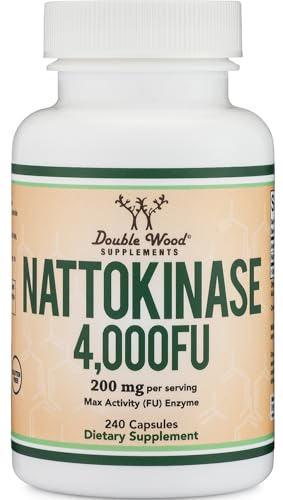
NSK-SD, developed by Japan Bio Science Laboratory, is the most widely cited and clinically referenced standardized nattokinase ingredient, appearing in many of the best-known supplement brands. It is easy to assume that a “standardized” or “purified” designation implies the soy has been removed, but that is a misreading of what NSK-SD actually certifies. NSK-SD standardization is about consistent potency, measured in fibrinolytic units (FU), and verified removal of vitamin K2, not about soy protein removal.
In practice, this means many NSK-SD-based products explicitly list soy on their allergen panel. Ingredient lists for several major NSK-SD supplement brands include soybean oil or soybean lecithin as inactive ingredients, and ingredient documentation for these products confirms soy content remains in the final capsule, even though the vitamin K has been removed. Do not assume “NSK-SD” on a label means soy-free; check the specific product’s allergen statement every time.

Manufacturer Claims Vary, Read the Label
Not every nattokinase product is the same, and this is where label-reading becomes essential rather than optional. Some manufacturers of NSK-SD-based products state their specific formulation contains no detectable soy protein in the finished capsule, listing “soy” among allergens explicitly excluded, alongside other common allergens such as milk, egg, and gluten. This suggests purification processes can vary meaningfully between manufacturers even when they use the same base NSK-SD ingredient license.
Because of this inconsistency, a soy-allergic consumer cannot rely on general information about nattokinase or even about NSK-SD as a category. The only reliable approach is checking the allergen statement on the specific product you are considering, ideally confirmed by a certificate of analysis or direct contact with the manufacturer if the label is ambiguous.
Soy-Free Alternatives: Chickpea-Fermented Nattokinase
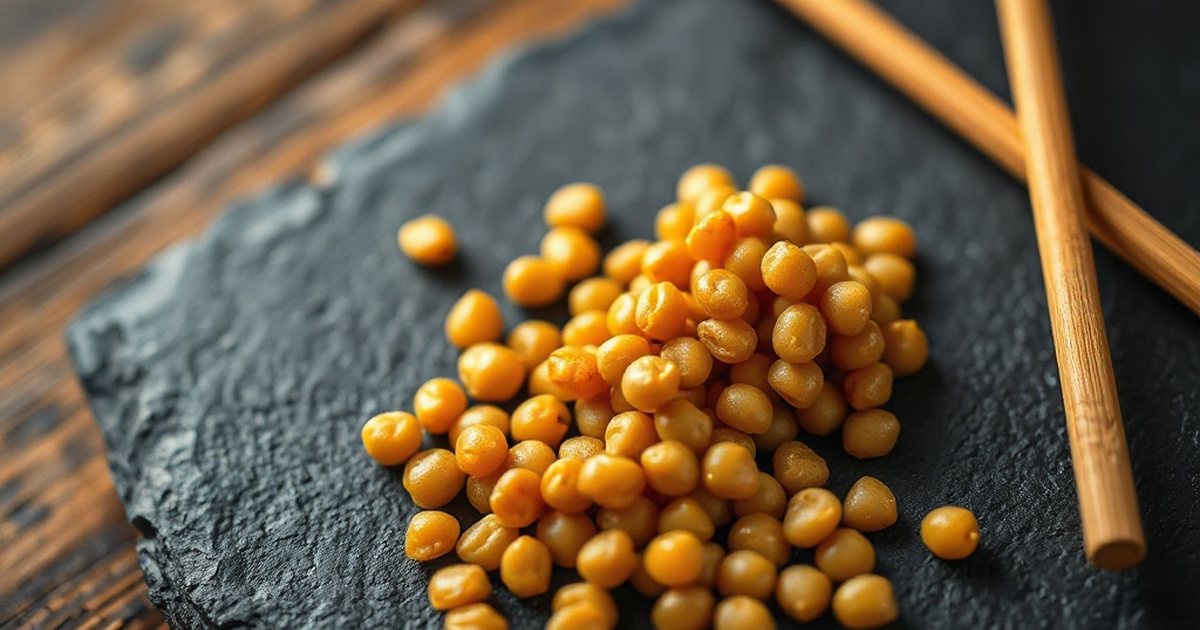
For consumers who want to avoid the soy question entirely, some manufacturers have developed nattokinase fermented from chickpea substrate instead of soybean. This approach is intended to eliminate soy protein exposure along with reducing poly-gamma-glutamic acid (PGA), a fermentation byproduct that has itself been associated with rare cases of late-onset allergic reactions independent of soy protein allergy. Some research on chickpea-substrate fermentation has reported it can yield more nattokinase enzyme activity relative to traditional soybean substrate, while producing a smaller amount of the PGA byproduct.
If you have a confirmed soy allergy and still want to use nattokinase, a chickpea-fermented or otherwise explicitly soy-free-labeled product, verified against its own allergen statement, is the more cautious choice than assuming any standard soy-fermented product is safe.
What About PGA, Separate From Soy Protein?
It is worth distinguishing two separate allergy-relevant components of traditional nattokinase products. Soy protein allergy is the classic IgE-mediated reaction most people mean by “soy allergy.” Poly-gamma-glutamic acid, the sticky fermentation byproduct that gives natto its characteristic texture, is a separate compound that has been linked in case reports to delayed-onset allergic reactions, sometimes hours after ingestion, and is not strictly a soy-protein allergy issue. Both are byproducts of the traditional soybean fermentation process, and both are reduced or eliminated in nattokinase production methods designed to minimize allergen carryover.
A Note on the Evidence
Allergen content varies by manufacturer and purification method, and the research specifically quantifying residual soy protein levels across commercial nattokinase brands is limited; label claims should be verified directly with the manufacturer when in doubt. This is educational information, not medical advice. Anyone with a history of soy allergy, particularly a severe or anaphylactic reaction, should consult an allergist before trying any soy-derived supplement, including nattokinase.
Frequently Asked Questions
Is nattokinase safe if I have a soy allergy?
Not automatically. Most nattokinase supplements are fermented from soybeans and can retain residual soy protein even after purification. Some products explicitly list soy as an allergen; others claim soy-free status. Always check the specific product’s allergen statement, and consult an allergist if you have a history of severe soy allergy.
Does NSK-SD mean the product is soy-free?
No. NSK-SD is a certification for consistent potency and verified vitamin K2 removal, not a soy-free guarantee. Many NSK-SD-based products still list soy on their allergen panel. Check the label of the specific product you are considering rather than assuming based on the ingredient name.
Are there soy-free nattokinase options?
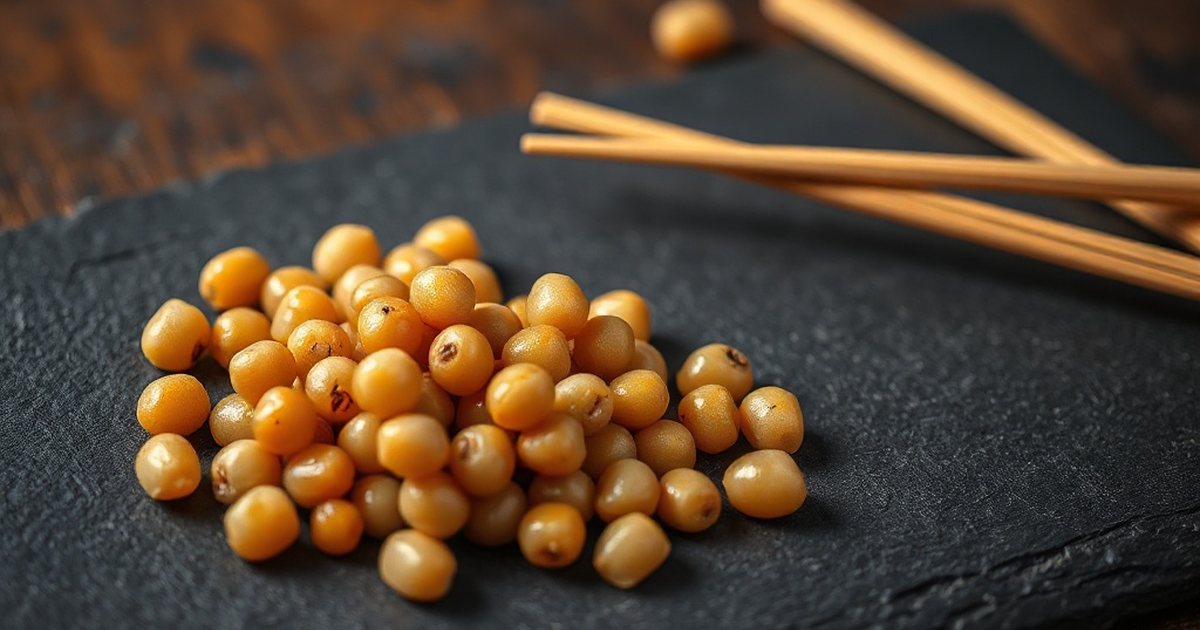
Yes. Some manufacturers produce nattokinase fermented from chickpea substrate instead of soybean, specifically to avoid soy protein exposure. Confirm the allergen statement on any product you choose, since formulations and purification methods vary between brands.
What is the difference between soy protein allergy and PGA sensitivity in nattokinase?
Soy protein allergy is a classic IgE-mediated reaction to soy proteins like Gly m 4 or Gly m 6. PGA (poly-gamma-glutamic acid) is a separate fermentation byproduct that has been linked in case reports to delayed allergic reactions. Both are reduced in production methods designed to minimize allergen carryover, but they are distinct issues worth understanding separately.
These statements have not been evaluated by the Food and Drug Administration. This information is not intended to diagnose, treat, cure, or prevent any disease. Content is for informational purposes only and is not medical advice; consult a qualified healthcare provider before starting any supplement. As an Amazon Associate we earn from qualifying purchases.
