Nattokinase is a serine protease enzyme isolated from natto, a traditional Japanese food made by fermenting soybeans with Bacillus subtilis. The enzyme degrades fibrin directly and appears to upregulate the body’s own plasminogen activators, producing measurable fibrinolytic activity in human plasma studies. Because of this, both the food and the isolated supplement have attracted interest from people looking to support cardiovascular health through diet or supplementation.
The choice between eating natto and taking a nattokinase capsule is not simply a matter of preference. The two deliver meaningfully different nutritional profiles, enzyme doses, and safety considerations. Understanding those differences helps consumers make informed decisions and have more productive conversations with their healthcare providers.
Key Takeaways
- Nattokinase supplements deliver standardized enzyme doses (typically 1,000–4,000 FU) without the vitamin K2, protein, fiber, and probiotics found in whole natto.
- Eating natto provides one of the richest dietary sources of vitamin K2 (MK-7), which can significantly interfere with warfarin—a risk largely avoided with properly processed nattokinase supplements.
- Neither form should be combined with anticoagulants or antiplatelets (warfarin, heparin, aspirin, clopidogrel) without physician supervision due to bleeding risk.
- Human clinical evidence for nattokinase is limited to small, short-term trials; the FDA has not evaluated it for treating or preventing any disease.
- Stop nattokinase at least one week before surgery or invasive procedures and consult your doctor before starting if you have any cardiovascular or clotting condition.
What Is Nattokinase and Where Does It Come From?
Nattokinase is produced during the fermentation of soybeans by the bacterium Bacillus subtilis var. natto. The enzyme belongs to the subtilisin family of serine proteases, meaning it cleaves peptide bonds in fibrin, the protein scaffold of blood clots. It also appears to stimulate the body’s endogenous fibrinolytic system by increasing tissue plasminogen activator and urokinase activity while reducing plasminogen activator inhibitor levels.
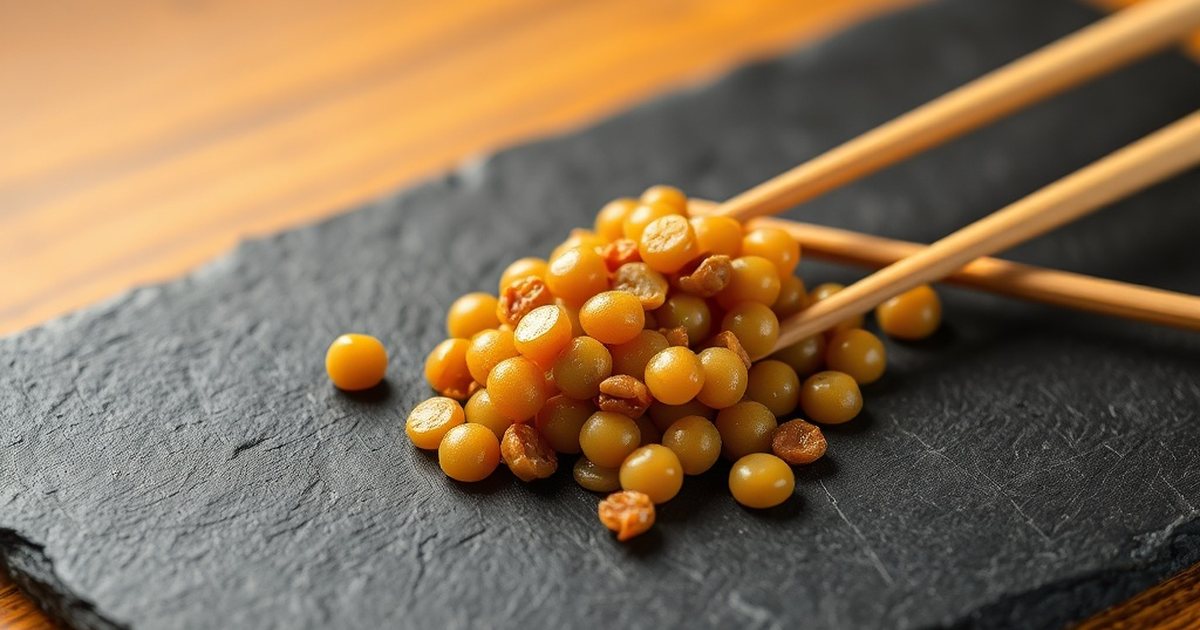
When you eat natto, you are consuming nattokinase as one component of a complex fermented food that also contains protein, fiber, isoflavones, vitamin K2 (primarily as MK-7), probiotics, and other bioactive compounds. A nattokinase supplement, by contrast, is an extract—processed to isolate and standardize the enzyme while removing most of the other nutrients, including much or all of the vitamin K2 depending on the manufacturing process.
Enzyme Activity: How Supplement Dosing Differs from Food
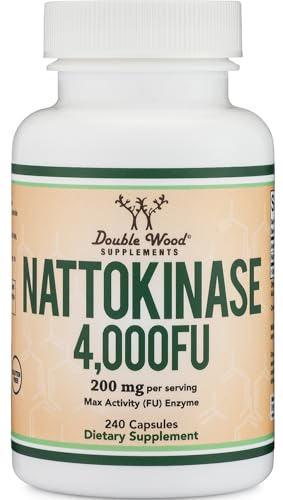
Nattokinase potency is measured in fibrinolytic units (FU), sometimes called nattokinase units (NKU). A standard supplement capsule typically delivers 1,000 to 4,000 FU per serving. The enzyme content of actual natto varies by batch, fermentation time, and preparation method, making it difficult to know exactly how many fibrinolytic units a given serving of natto contains—estimates for a 100-gram portion range widely across different analyses.
Supplements offer dosing consistency that the food cannot match. Each capsule from a reputable manufacturer delivers a stated amount verified by third-party testing. For someone pursuing a specific fibrinolytic target, this predictability is a practical advantage. On the other hand, consuming the enzyme inside a whole food matrix may affect its bioavailability differently than taking an encapsulated extract, though head-to-head absorption comparisons in well-controlled human trials remain limited.
Oral delivery of any protein-based enzyme raises the question of gastric degradation. Stomach acid and digestive proteases can denature proteins before they reach the small intestine. Some research suggests nattokinase has a degree of acid resistance and that at least a portion survives gastrointestinal transit intact, but enteric-coated capsule formulations are also available for consumers who want to reduce potential breakdown in the stomach.

The Vitamin K2 Difference: A Critical Safety Distinction
Natto is one of the richest dietary sources of menaquinone-7 (MK-7), a form of vitamin K2, with a single 100-gram serving providing many times the adequate intake for vitamin K. Vitamin K2 MK-7 plays an important role in activating proteins involved in bone mineralization and cardiovascular calcification prevention, which is why natto has been studied in the context of bone health in Japanese population research.
This high K2 content creates a significant safety issue for anyone taking warfarin (Coumadin) or other vitamin K antagonist anticoagulants. Eating natto can substantially reduce warfarin’s anticoagulant effect, making clot risk unpredictable. Many nattokinase supplements are specifically processed to remove or reduce vitamin K2, which theoretically eliminates that particular drug interaction—but it does not eliminate the antiplatelet and fibrinolytic activity of the enzyme itself. Combining nattokinase supplements with warfarin, heparin, aspirin, clopidogrel, or other anticoagulants or antiplatelets still carries a meaningful risk of excessive bleeding and requires physician supervision.
People who are not on anticoagulants and who specifically want the vitamin K2 benefits of natto may find the whole food more valuable than a K2-depleted supplement. Those with coagulation-sensitive conditions or who take blood-thinning medications should discuss both forms carefully with their prescribing physician before consuming either.
Whole Food Benefits Beyond the Enzyme
Natto provides nutritional value that no isolated nattokinase supplement can replicate. It is a complete protein source, containing all essential amino acids, and offers roughly 18 grams of protein per 100-gram serving. It supplies dietary fiber, iron, calcium, magnesium, and the full suite of soy isoflavones. The fermentation process also produces a living microbial culture, and natto is sometimes discussed in the context of gut microbiome support, though the specific probiotic strains survive gastrointestinal transit to varying degrees.
For someone without dietary restrictions, eating natto two or three times per week as part of a varied diet delivers these broader nutritional contributions alongside whatever fibrinolytic activity the enzyme provides. A supplement delivers enzyme activity alone—which may be exactly what a consumer wants if the goal is targeted cardiovascular support without altering macronutrient intake or adding vitamin K2.
Practical Considerations: Taste, Access, and Cost
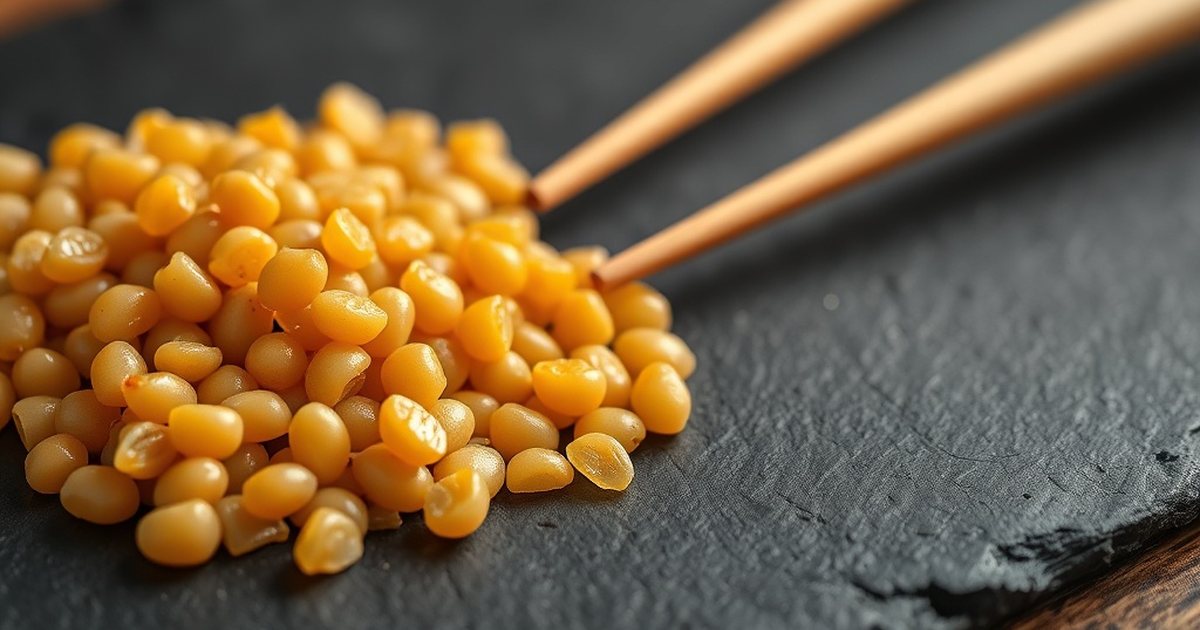
Natto has a strong, pungent smell and a sticky, mucilaginous texture that many people outside Japan find difficult to accept. It is sold refrigerated or frozen in Asian grocery stores and Japanese supermarkets, typically in small styrofoam trays, and requires some familiarity to prepare and eat comfortably. For consumers who genuinely enjoy or can tolerate natto, it represents an economical whole-food option—a typical package costs a few dollars and provides multiple servings.
Nattokinase supplements are available from dozens of manufacturers in capsule, tablet, and powder forms. They are shelf-stable, portable, and flavor-free, making them far more accessible to people who cannot or will not eat fermented soybean products. Cost per month depends heavily on dose and brand, ranging from modest to moderately expensive. As with any supplement, quality varies significantly between manufacturers; third-party certification for enzyme activity and purity is worth seeking out.
People with soy allergies should approach both forms cautiously. Most of the soy protein is broken down during fermentation, and nattokinase supplements undergo further processing, but individuals with severe soy allergies should consult an allergist before using either product.
Evidence Limits and Safety Reminders
The human clinical evidence for nattokinase is real but modest. Small randomized trials have documented fibrinolytic effects in plasma and some have shown modest blood pressure reductions. The research base, however, consists largely of short-term studies with limited sample sizes. Long-term safety and efficacy data from large, well-controlled trials are not yet available. The FDA has not approved nattokinase for treating, curing, or preventing any disease, and the available evidence does not support strong therapeutic claims.
Nattokinase should be discontinued at least one week before any surgical or dental procedure due to its antiplatelet and fibrinolytic activity, which could increase bleeding risk. Pregnant or breastfeeding individuals, people with bleeding disorders, and those on any anticoagulant or antiplatelet therapy should not take nattokinase without explicit physician guidance. The same caution applies to combining nattokinase with NSAIDs, fish oil at high doses, or other supplements with blood-thinning properties.
🛒 Where to Buy Nattokinase
- Doctor’s Best Nattokinase 2,000 FULab-tested / studied
capsules, 100 mg NSK-SD per vcap (2,000 FU) — Most widely referenced brand in clinical and integrative medicine contexts; uses Japan Bio Science Laboratory NSK-SD ingredient; vegetarian capsules; 90 count - NOW Foods Nattokinase 100 mg
capsules, 100 mg per vcap (2,000 FU) — Mainstream GMP-certified brand; affordable entry-level option; 90 vcaps; widely available - Source Naturals Nattokinase 100 mg
capsules, 100 mg per tablet (2,000 FU) — Long-established supplement brand; competitive pricing at 60 tablets; good for budget-conscious buyers familiar with the brand - Healthy Origins Nattokinase 2,000 FU
capsules, 100 mg per vcap (2,000 FU) — Best cost-per-serving option on Amazon; 180 vcap bottle; uses NSK-SD ingredient; popular bulk buy for long-term users
As an Amazon Associate we earn from qualifying purchases. Nattokinase is sold on an enzymatic activity claim, and independent testing has repeatedly found bottles delivering well under their labelled potency. Check that the label states fibrinolytic units (FU) per capsule rather than milligrams alone, and prefer a brand that will supply a batch-specific certificate of analysis showing the measured FU result for that lot, since GMP certification alone does not verify it.
A Note on the Evidence
The human evidence supporting nattokinase is preliminary—most trials are small, short-term, and cannot support claims of treating or preventing cardiovascular disease. Anyone with a clotting disorder, on anticoagulant or antiplatelet medication, scheduled for surgery, or pregnant should consult a physician before consuming nattokinase in any form; this article is informational only and does not constitute medical advice.

Frequently Asked Questions
Does eating natto give you the same fibrinolytic effect as a supplement?
Natto contains nattokinase and does show fibrinolytic activity in studies, but the exact enzyme dose per serving varies by batch and preparation. Supplements are standardized to a specific FU count, offering more predictable dosing. Whether absorption from food versus capsule differs meaningfully in humans has not been thoroughly established in controlled trials.
Can I take a nattokinase supplement if I eat natto regularly?
Combining both sources increases total nattokinase and fibrinolytic exposure. Unless a physician is monitoring your coagulation parameters, stacking the two without guidance could increase bleeding risk. If you eat natto regularly, discuss with your doctor whether an additional supplement is warranted.
Is nattokinase supplement safe for people on warfarin?
No—not without direct physician supervision. While most nattokinase supplements are processed to remove vitamin K2 (eliminating one mechanism of warfarin interference), the enzyme’s own fibrinolytic and antiplatelet activity can still amplify warfarin’s effect unpredictably. People on warfarin should not take nattokinase supplements without their prescribing physician’s knowledge and monitoring.
Do nattokinase supplements contain soy?
Nattokinase is derived from fermented soybeans. Most of the soy protein is removed during processing, but trace soy allergens may remain in some products. Individuals with soy allergies should check with the manufacturer and consult an allergist before using any nattokinase product.
How does natto's vitamin K2 benefit differ from what a nattokinase capsule provides?
Natto’s high MK-7 content supports bone mineralization and may help activate proteins that inhibit arterial calcification—benefits unrelated to the enzyme’s fibrinolytic action. A standard nattokinase supplement that has had K2 removed does not deliver these vitamin K2 benefits. If MK-7 is a goal, eating natto or taking a separate MK-7 supplement is needed.
What is a typical nattokinase supplement dose and is it proven effective?
Most commercially available supplements provide 1,000 to 4,000 fibrinolytic units (FU) per capsule. Small human trials have shown measurable effects on fibrinolytic markers and modest blood pressure changes, but these studies are short-term with limited participant numbers. No large, long-term clinical trials have established an optimal dose or confirmed long-term cardiovascular outcomes, and the FDA has not approved nattokinase as a treatment for any condition.
These statements have not been evaluated by the Food and Drug Administration. This information is not intended to diagnose, treat, cure, or prevent any disease. Content is for informational purposes only and is not medical advice; consult a qualified healthcare provider before starting any supplement. As an Amazon Associate we earn from qualifying purchases.
