Nattokinase is a serine protease enzyme isolated from natto, a traditional Japanese food made by fermenting soybeans with the bacterium Bacillus subtilis. Unlike most proteins consumed in the diet, nattokinase survives digestion in a form that retains measurable enzymatic activity, which has made it a subject of growing scientific interest for its effects on blood coagulation and fibrin breakdown.
The core claim behind nattokinase supplements is that the enzyme can degrade fibrin—the protein mesh that forms the structural backbone of blood clots—and may also upregulate the body’s own clot-dissolving pathways. Human trials investigating these effects exist, though most are small and short-term. This article explains what nattokinase is, how it is proposed to work, what the current evidence suggests, and the genuine safety considerations anyone considering it should know.
Key Takeaways
- Nattokinase is a serine protease enzyme from fermented soybeans that degrades fibrin directly and may upregulate the body’s own plasminogen activators, producing measurable fibrinolytic effects in humans.
- Small randomized trials have shown modest reductions in blood pressure and fibrinolytic marker improvements, but long-term trials with hard clinical outcomes (heart attack, stroke) have not been completed.
- It carries a real drug interaction risk with anticoagulants and antiplatelets—including warfarin, aspirin, clopidogrel, and direct oral anticoagulants—and should never be combined with these without physician guidance.
- Nattokinase should be stopped at least one week before surgery due to its antiplatelet and fibrinolytic activity.
- The FDA has not evaluated nattokinase as a treatment for any disease; it is sold as a dietary supplement, and quality varies across brands—look for third-party tested products with standardized FU activity.
Where Nattokinase Comes From
Natto is a centuries-old Japanese fermented food produced by inoculating cooked soybeans with Bacillus subtilis and allowing them to ferment at warm temperatures for roughly 24 hours. The result is a sticky, pungent food with a distinct flavor profile that remains a staple in Japanese cuisine, particularly eaten at breakfast.
During fermentation, Bacillus subtilis secretes a variety of enzymes into the substrate. In 1987, researcher Hiroyuki Sumi identified a particularly potent fibrinolytic enzyme within natto and named it nattokinase—though it is technically classified as a subtilisin-type serine protease, not a kinase in the biochemical sense. The enzyme can be extracted, purified, and concentrated into supplement form, typically standardized in fibrinolytic activity units (FUs) per capsule.
Whole natto contains nattokinase alongside vitamin K2 (menaquinone-7), soy isoflavones, and other bioactive compounds. Nattokinase supplements are usually designed to isolate the enzyme while removing vitamin K2, which matters clinically because vitamin K2 has opposing effects on coagulation relative to the enzyme itself.
The Proposed Mechanism: How Nattokinase May Work
Nattokinase is thought to exert its fibrinolytic effects through two complementary pathways. First, the enzyme can directly cleave fibrin—the insoluble protein polymer that cross-links to form a clot’s structural scaffold. By degrading fibrin strands, nattokinase may help dissolve existing clots and reduce the density of newly formed ones.
Second, nattokinase appears to upregulate endogenous plasminogen activators, particularly tissue plasminogen activator (tPA) and urokinase. These are the body’s own enzymes responsible for converting plasminogen into plasmin, which is the primary fibrinolytic agent the body uses to break down clots naturally. By amplifying this pathway, nattokinase may produce fibrinolytic effects that extend beyond what its own direct enzymatic action accounts for.

Beyond fibrinolysis, nattokinase has demonstrated antiplatelet activity in laboratory and human studies, meaning it may reduce the tendency of platelets to aggregate and adhere. This dual mechanism—breaking down existing fibrin while also reducing new clot formation—underpins most of the cardiovascular interest in the enzyme. It also underpins the drug interaction risks discussed later in this article.

What Human Research Has Examined
Human trials on nattokinase have measured several outcomes: plasma fibrinolytic activity markers (such as D-dimer and euglobulin clot lysis time), blood pressure, and in some cases lipid profiles. Results across small randomized controlled trials have shown that nattokinase supplementation can produce measurable fibrinolytic effects in human plasma, consistent with the proposed mechanism.
Some trials have also reported modest reductions in blood pressure, both systolic and diastolic, in participants with hypertension or elevated baseline pressure. The magnitude of these reductions has generally been modest rather than dramatic, and the trials are short in duration—typically ranging from four to eight weeks—with participant counts often in the range of dozens rather than hundreds.
It is important to be direct about what this evidence base does and does not support. The studies confirm that nattokinase has biological activity in humans and can shift measurable markers in meaningful directions. What they do not establish is whether these surrogate marker changes translate into reduced rates of heart attack, stroke, deep vein thrombosis, or other hard clinical endpoints. Larger, longer-term trials with clinical outcomes have not been completed. The existing research is promising but should be interpreted cautiously.
Safety Profile and Drug Interactions
Nattokinase carries a meaningful and well-established drug interaction risk that must be understood before anyone considers using it. Because the enzyme has genuine fibrinolytic and antiplatelet activity, combining it with anticoagulant or antiplatelet medications creates an additive risk of excessive bleeding. Medications in this category include warfarin, heparin and low-molecular-weight heparins, aspirin, clopidogrel (Plavix), apixaban (Eliquis), rivaroxaban (Xarelto), and dabigatran (Pradaxa), among others. Anyone taking any of these medications should not add nattokinase without direct guidance from the prescribing physician.
Nattokinase should also be discontinued at least one week before any surgical or dental procedure. The fibrinolytic and antiplatelet activity that makes the enzyme pharmacologically interesting in a cardiovascular context becomes a bleeding liability in a surgical setting where clot formation is necessary for wound healing and hemostasis.
Beyond drug interactions, nattokinase is derived from soybeans and is therefore a concern for individuals with soy allergies. People with bleeding disorders, those who have recently experienced a stroke (particularly hemorrhagic stroke), or those with active ulcer disease should approach it with caution and physician consultation. Pregnant or breastfeeding individuals should avoid it due to the absence of safety data in those populations.
Regulatory Status and What It Means
In the United States, nattokinase is sold as a dietary supplement, not a drug. This regulatory category means that the FDA has not evaluated nattokinase for the purpose of treating, curing, or preventing any disease. Manufacturers are permitted to make structure-function claims—statements about how a substance may affect normal body structure or function—but are prohibited from claiming that it treats or prevents specific diseases.

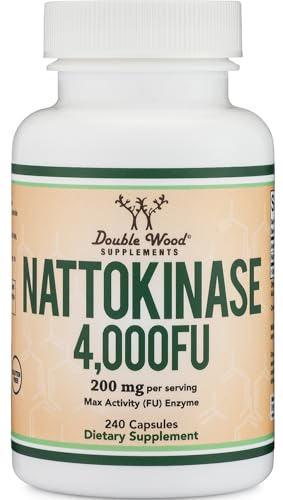
This distinction matters practically. It means that supplement manufacturers are not required to demonstrate efficacy or safety to the FDA’s drug standard before selling nattokinase. It also means that quality control, potency, and purity vary across brands. When comparing products, looking for third-party testing certifications (such as USP, NSF International, or ConsumerLab) and standardized fibrinolytic activity units (FUs) on the label provides at least some assurance of what is actually in the capsule.
This is not a statement against the enzyme’s biological plausibility—the research supporting its mechanism is real. It is simply an accurate description of the regulatory landscape and what consumers should understand about the difference between a supplement with promising preliminary evidence and a clinically validated pharmaceutical.
Nattokinase vs. Eating Natto
A reasonable question is whether consuming whole natto provides the same benefits as taking a nattokinase supplement. Whole natto does contain nattokinase, and some research has used whole natto rather than isolated enzyme. However, whole natto also contains substantial amounts of vitamin K2 in the form of menaquinone-7 (MK-7). Vitamin K2 supports carboxylation of clotting factors and is directly antagonized by warfarin—so anyone on warfarin anticoagulation therapy faces a compounded drug-food interaction risk from whole natto that is more complex than from the isolated enzyme supplement (from which vitamin K2 is typically removed).
Nattokinase supplements offer a way to obtain the enzyme in a standardized dose without the accompanying vitamin K2 load, which is part of the reason the isolated supplement form is often preferred in research settings and by clinicians who are evaluating the enzyme’s specific fibrinolytic effects. That said, whole natto consumed as food in the context of a balanced diet is nutritionally valuable beyond its enzyme content and has a long history of safe dietary use in Japanese populations.
🛒 Where to Buy Nattokinase
- Doctor’s Best Nattokinase 2,000 FULab-tested / studied
capsules, 100 mg NSK-SD per vcap (2,000 FU) — Most widely referenced brand in clinical and integrative medicine contexts; uses Japan Bio Science Laboratory NSK-SD ingredient; vegetarian capsules; 90 count - NOW Foods Nattokinase 100 mg
capsules, 100 mg per vcap (2,000 FU) — Mainstream GMP-certified brand; affordable entry-level option; 90 vcaps; widely available - Source Naturals Nattokinase 100 mg
capsules, 100 mg per tablet (2,000 FU) — Long-established supplement brand; competitive pricing at 60 tablets; good for budget-conscious buyers familiar with the brand - Healthy Origins Nattokinase 2,000 FU
capsules, 100 mg per vcap (2,000 FU) — Best cost-per-serving option on Amazon; 180 vcap bottle; uses NSK-SD ingredient; popular bulk buy for long-term users
As an Amazon Associate we earn from qualifying purchases. Nattokinase is sold on an enzymatic activity claim, and independent testing has repeatedly found bottles delivering well under their labelled potency. Check that the label states fibrinolytic units (FU) per capsule rather than milligrams alone, and prefer a brand that will supply a batch-specific certificate of analysis showing the measured FU result for that lot, since GMP certification alone does not verify it.
A Note on the Evidence
Most human trials on nattokinase are small, short-term, and measure surrogate markers rather than clinical outcomes like heart attack or stroke rates; the evidence is promising but not definitive. Anyone taking anticoagulants, antiplatelets, or blood pressure medications, or who has a bleeding disorder, upcoming surgery, soy allergy, or history of stroke should consult a physician before use—this article is informational only and does not constitute medical advice.

Frequently Asked Questions
What exactly does nattokinase do in the body?
Nattokinase is proposed to work through two pathways: directly cleaving fibrin, the structural protein in blood clots, and upregulating endogenous plasminogen activators like tissue plasminogen activator (tPA) that the body uses to dissolve clots naturally. It also has antiplatelet activity, meaning it may reduce platelet aggregation. These effects have been measured in human plasma studies.

Can I take nattokinase if I'm already on a blood thinner?
No, not without explicit guidance from your prescribing physician. Nattokinase has genuine fibrinolytic and antiplatelet activity that is additive with anticoagulant and antiplatelet medications including warfarin, heparin, aspirin, clopidogrel, apixaban, rivaroxaban, and dabigatran. Combining them significantly raises the risk of abnormal or dangerous bleeding.
Is nattokinase the same as eating natto?
Not exactly. Whole natto contains nattokinase but also substantial vitamin K2 (MK-7), which supports clotting factor production and complicates use in people on warfarin. Nattokinase supplements typically isolate the enzyme and remove vitamin K2, making the fibrinolytic effects more predictable and reducing the vitamin K2 interaction risk. Both contain the enzyme, but the overall biochemical profile differs.
What does the research actually show about nattokinase and blood pressure?
Small randomized trials in humans have reported modest reductions in both systolic and diastolic blood pressure in participants with elevated baseline pressure. These findings are statistically meaningful in context but should be interpreted carefully given the small participant counts and short trial durations—most studies run four to eight weeks. Long-term blood pressure outcomes have not been established.
When should nattokinase be stopped before surgery?
Nattokinase should be discontinued at least one week before any surgical or dental procedure. Its fibrinolytic and antiplatelet activity impairs the normal clot formation that is necessary for wound healing and stopping surgical bleeding. This is a standard precaution that applies regardless of the type of procedure.
Is nattokinase FDA-approved for cardiovascular disease?
No. Nattokinase is classified as a dietary supplement in the United States, which means the FDA has not evaluated it for treating, curing, or preventing any disease, including cardiovascular disease. It cannot legally be marketed with disease treatment claims. The research supporting its mechanism is real but preliminary, and it does not meet the evidentiary standard required for drug approval.
These statements have not been evaluated by the Food and Drug Administration. This information is not intended to diagnose, treat, cure, or prevent any disease. Content is for informational purposes only and is not medical advice; consult a qualified healthcare provider before starting any supplement. As an Amazon Associate we earn from qualifying purchases.
