As we navigate the complexities of aging, concerns about cardiovascular health often come to the forefront. Many individuals over 40 seek proactive strategies to support their heart and circulatory system, exploring options beyond conventional approaches.
One such option, nattokinase, a unique enzyme derived from a traditional Japanese food, has garnered significant attention for its potential role in managing blood clot risk, supporting healthy blood pressure, and contributing to overall cardiovascular longevity. But what exactly is nattokinase, and what does the current scientific evidence suggest about its benefits and safety?
FTC Disclosure: NattokinaseHub participates in affiliate programs, which means we may earn a commission from purchases made through links on this page. This helps support our research and content creation, at no additional cost to you.
What is Nattokinase? Understanding the Cardiovascular Enzyme
Nattokinase is an enzyme extracted from natto, a traditional Japanese fermented soybean dish. The fermentation process, utilizing Bacillus subtilis natto bacteria, produces this potent enzyme.
Historically, natto has been consumed for centuries in Japan, valued for its nutritional profile and perceived health benefits. Modern research has focused on nattokinase as the primary bioactive component responsible for many of these effects.
As a dietary supplement, nattokinase is typically available in capsule form, providing a concentrated dose of the enzyme. Its primary mechanism of action involves fibrinolysis, the breakdown of fibrin, a protein essential for blood clot formation.
Nattokinase as a Fibrinolytic Supplement: Blood Clot Prevention
One of the most extensively studied properties of nattokinase is its fibrinolytic activity. Fibrin clots are a natural part of the body’s healing process, but excessive or inappropriate clot formation can lead to serious cardiovascular events such as heart attack and stroke.
Nattokinase directly degrades fibrin and also enhances the body’s natural fibrinolytic system by increasing the production of plasminogen activator inhibitor-1 (PAI-1) and tissue plasminogen activator (t-PA). This dual action contributes to its potential in blood clot prevention.
Research on Fibrinolytic Effects
In vitro and animal studies have consistently demonstrated the potent fibrinolytic activity of nattokinase. Human trials, though often small, have supported these findings, showing that oral administration of nattokinase can reduce plasma fibrinogen levels and improve markers of fibrinolysis.
For instance, a randomized, double-blind, placebo-controlled study involving healthy volunteers observed a significant decrease in fibrinogen and factor VII levels after nattokinase supplementation. These changes suggest a potential for reduced thrombotic risk.
It is crucial to understand that while nattokinase shows promise, it should not be used as a replacement for prescribed anticoagulant or antiplatelet medications without explicit medical supervision. Individuals on blood-thinning medications must consult their physician before considering nattokinase due to the heightened risk of bleeding.

Blood Pressure Support: Nattokinase and Hypertension
Beyond its fibrinolytic effects, nattokinase has also been investigated for its potential role in blood pressure regulation. Hypertension is a major risk factor for cardiovascular disease, and natural approaches to support healthy blood pressure are of significant interest.
The proposed mechanism for nattokinase’s hypotensive effect involves its ability to inhibit angiotensin-converting enzyme (ACE). ACE plays a critical role in the renin-angiotensin system, which regulates blood pressure by constricting blood vessels.

Evidence for Blood Pressure Management
Several clinical trials have explored nattokinase’s impact on blood pressure. A notable double-blind, placebo-controlled study of individuals with pre-hypertension or stage 1 hypertension demonstrated a significant reduction in both systolic and diastolic blood pressure in the nattokinase group compared to placebo.
Another meta-analysis of multiple randomized controlled trials concluded that nattokinase supplementation could lead to a modest but statistically significant reduction in blood pressure. While these findings are encouraging, they suggest nattokinase may serve as an adjunctive therapy rather than a standalone treatment for hypertension.
Individuals currently on blood pressure medications should exercise caution and consult their healthcare provider before adding nattokinase. Combining nattokinase with antihypertensive drugs could potentially lead to an excessive drop in blood pressure, requiring careful monitoring.
Nattokinase as a Longevity Enzyme: Beyond Clots and Pressure
The concept of nattokinase as a “longevity enzyme” stems from its multifaceted benefits that contribute to overall cardiovascular health, a key determinant of healthy aging. By supporting optimal blood flow and reducing thrombotic risk, nattokinase may contribute to a more resilient cardiovascular system over time.
Chronic inflammation and oxidative stress are also implicated in the aging process and the development of cardiovascular diseases. While nattokinase’s primary actions are fibrinolytic and hypotensive, some emerging research suggests potential indirect benefits related to these broader aspects of health.
Broader Cardiovascular Support
By promoting healthy circulation, nattokinase may indirectly support nutrient and oxygen delivery to tissues throughout the body, which is vital for cellular function and repair. This systemic benefit aligns with the principles of longevity and healthy aging.
Further research is needed to fully elucidate the long-term impact of nattokinase on aging biomarkers and overall longevity. However, its established roles in managing blood clot risk and supporting blood pressure contribute significantly to a foundation for healthy cardiovascular aging.
Safety, Dosage, and Drug Interactions of Nattokinase
The safety profile of nattokinase is generally considered favorable, particularly when taken within recommended dosages. However, its potent enzymatic activity necessitates careful consideration of potential side effects and drug interactions.
The most significant safety concern with nattokinase is its potential to increase bleeding risk. This is particularly relevant for individuals already on anticoagulant or antiplatelet medications.

Recommended Dosage and Administration
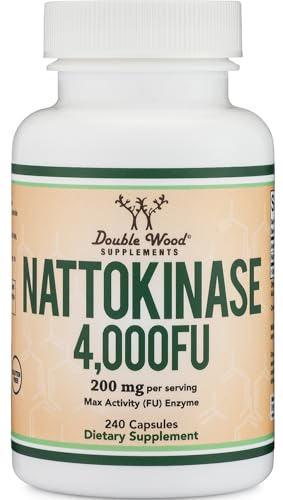
Nattokinase dosage is typically measured in Fibrinolytic Units (FU), which reflect its enzymatic activity. Common dosages in clinical studies range from 100 mg (approximately 2,000 FU) to 200 mg (approximately 4,000 FU) per day.
It is generally recommended to start with a lower dose and increase gradually if tolerated and under medical guidance. Always adhere to the specific instructions provided by the supplement manufacturer and consult a healthcare professional for personalized dosage advice.
Key Drug Interactions and Precautions
Nattokinase can potentiate the effects of blood-thinning medications. This includes prescription anticoagulants like warfarin, heparin, and direct oral anticoagulants (DOACs) such as rivaroxaban, apixaban, and dabigatran.
It can also interact with antiplatelet drugs like aspirin and clopidogrel, as well as non-steroidal anti-inflammatory drugs (NSAIDs) such as ibuprofen and naproxen. Combining nattokinase with these medications significantly increases the risk of bleeding or bruising.
Individuals with bleeding disorders, recent surgery, or a history of hemorrhagic stroke should strictly avoid nattokinase unless specifically advised by their physician. Pregnant or breastfeeding women should also avoid nattokinase due to insufficient safety data.
Nattokinase vs. Other Natural Cardiovascular Supports
When considering natural approaches to cardiovascular health, nattokinase stands alongside other well-researched supplements. Each offers unique mechanisms and benefits, and choosing the right combination depends on individual health needs and physician consultation.
Here is a comparison of nattokinase with some other commonly discussed natural cardiovascular supports:
| Supplement | Primary Mechanism/Benefit | Key Considerations |
|---|---|---|
| Nattokinase | Fibrinolysis (clot breakdown), ACE inhibition (blood pressure) | Bleeding risk, drug interactions (anticoagulants, antiplatelets) |
| Omega-3 Fatty Acids (EPA/DHA) | Anti-inflammatory, triglyceride reduction, mild antiplatelet effects | Generally safe, may slightly increase bleeding risk at high doses |
| Coenzyme Q10 (CoQ10) | Mitochondrial support, antioxidant, blood pressure support | Generally safe, may interact with warfarin (less common) |
| Magnesium | Blood pressure regulation, muscle function, nerve function | Generally safe, can cause diarrhea at high doses |
| Garlic Extract | Blood pressure reduction, cholesterol reduction, antiplatelet effects | Mild bleeding risk, potential for GI upset, breath odor |
| Hawthorn | Cardiotonic, blood pressure support, antioxidant | May interact with heart medications, blood pressure drugs |
This comparison highlights that while nattokinase is distinct in its direct fibrinolytic action, other supplements address different aspects of cardiovascular health. A holistic approach often involves a combination of dietary changes, exercise, and targeted supplementation, always under professional guidance.
Choosing a Nattokinase Supplement: What to Look For
When selecting a nattokinase supplement, quality and purity are paramount. Given the enzyme’s activity, ensuring you receive a product that is both effective and safe is crucial.
Here are key factors to consider when searching for a reputable nattokinase supplement:
Look for supplements that clearly state the Fibrinolytic Units (FU) per serving, not just the milligram content. This indicates the enzymatic activity, which is the true measure of its potency. A common potency is 2,000 FU per capsule.
Prioritize products that are third-party tested for purity and potency. Certifications from independent organizations like NSF International, USP, or ConsumerLab provide an extra layer of assurance that the product contains what it claims and is free from contaminants. Search for “third-party tested nattokinase” or “nattokinase with purity certification.”
Consider supplements that are enteric-coated. Nattokinase is a protein and can be degraded by stomach acid. An enteric coating helps protect the enzyme, allowing it to reach the intestines where it can be absorbed effectively. Search for “enteric coated nattokinase” to find these formulations.


Review the ingredient list for unnecessary fillers, artificial colors, or allergens. If you have soy allergies, ensure the product is clearly labeled as soy-free, as nattokinase is derived from soybeans, though highly purified forms may contain minimal soy proteins. Search for “soy-free nattokinase” if this is a concern.
Conclusion
Nattokinase, a cardiovascular enzyme derived from fermented soybeans, presents a compelling natural option for those seeking to support their heart and circulatory health. Its demonstrated fibrinolytic activity and potential for blood pressure support position it as a valuable longevity enzyme.
While research continues to expand our understanding, existing evidence suggests nattokinase can play a role in blood clot prevention and managing healthy blood pressure. However, its potent nature demands respect for safety guidelines, particularly regarding bleeding risk and drug interactions.
For individuals over 40 exploring natural cardiovascular support, nattokinase offers a promising avenue. Always consult with a healthcare professional before initiating any new supplement, especially if you have pre-existing conditions or are taking medications. Your physician can provide personalized guidance to ensure nattokinase is a safe and appropriate addition to your health regimen.
Frequently Asked Questions (FAQ)
Is nattokinase safe to take with blood thinners?
No, nattokinase is generally not safe to take with prescription blood thinners (anticoagulants or antiplatelets) due to a significantly increased risk of bleeding. Always consult your physician before combining nattokinase with any medication.
How long does it take for nattokinase to work?
Some studies indicate that nattokinase can begin to exert its effects on fibrinogen levels and blood pressure within hours of ingestion. However, consistent daily supplementation over several weeks or months is typically required to observe more sustained cardiovascular benefits.
What is the recommended dosage for nattokinase?
Common dosages in clinical research range from 2,000 FU to 4,000 FU per day. It is advisable to start with a lower dose and follow the manufacturer’s instructions, or consult a healthcare professional for personalized guidance.
Can nattokinase help with high blood pressure?
Yes, several studies suggest that nattokinase may help support healthy blood pressure by inhibiting ACE, an enzyme involved in blood vessel constriction. It may lead to modest reductions in both systolic and diastolic blood pressure.
Are there any side effects of nattokinase?
The most common side effect is an increased risk of bleeding or bruising, especially when combined with other blood-thinning agents. Other rare side effects may include gastrointestinal upset or allergic reactions, particularly in individuals with soy allergies.
Is nattokinase vegan and gluten-free?
Nattokinase itself is an enzyme derived from fermented soybeans, making it suitable for a vegan diet. Most nattokinase supplements are also gluten-free, but it is essential to check the product label for specific certifications and ingredient lists to ensure it meets your dietary requirements.

These statements have not been evaluated by the FDA. This product is not intended to diagnose, treat, cure, or prevent any disease.
These statements have not been evaluated by the Food and Drug Administration. This information is not intended to diagnose, treat, cure, or prevent any disease. Content is for informational purposes only and is not medical advice; consult a qualified healthcare provider before starting any supplement. As an Amazon Associate we earn from qualifying purchases.
