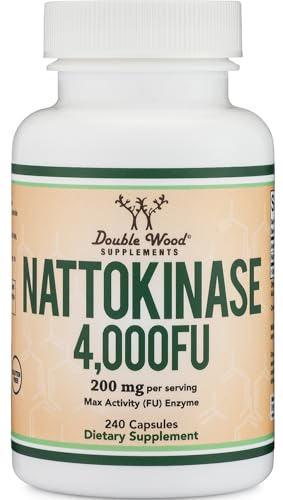
Unlike many supplements measured in milligrams (mg), Nattokinase potency is primarily expressed in Fibrinolytic Units (FU). This unit directly reflects the enzyme’s ability to degrade fibrin, the protein that forms the meshwork of blood clots. A higher FU count indicates greater enzymatic activity.
Most clinical studies and reputable supplements specify their Nattokinase content in FU, not mg. This distinction is vital for accurate dosing and comparing product efficacy, ensuring you understand the true potency of your chosen supplement.
General Recommended Nattokinase Dosages for Cardiovascular Support
Research on Nattokinase dosage for general cardiovascular health, including blood pressure support and broad clot prevention, typically points to a range that has shown efficacy in human trials. It is critical to start with the lowest effective dose and monitor your body’s response.
Typical Daily Dosage Range

For most healthy adults seeking general cardiovascular support, a common daily dosage ranges from 2,000 FU to 4,000 FU. This range has been explored in various studies investigating its effects on blood viscosity, fibrinolysis, and blood pressure.
Some studies have utilized doses up to 7,000 FU per day, particularly in specific research contexts, but these higher doses are less common for general preventative use. Always consult with a healthcare professional before exceeding the typical daily dosage range.
Dosage for Blood Pressure Management
Several clinical trials have investigated Nattokinase’s role in blood pressure reduction. A meta-analysis published in 2016 suggested that Nattokinase supplementation could lead to a modest reduction in both systolic and diastolic blood pressure, particularly with consistent use.
Dosages ranging from 2,000 FU to 3,600 FU daily, often divided into two doses, have been used in studies showing beneficial effects on blood pressure. These effects are generally observed over several weeks or months of consistent supplementation.
Dosage for Fibrinolytic Activity and Clot Prevention
The primary mechanism of Nattokinase is its direct fibrinolytic activity, meaning it helps break down fibrin. For individuals focusing on enhancing natural fibrinolysis and supporting blood clot prevention, dosages typically fall within the 2,000 FU to 4,000 FU range.
It is important to understand that while Nattokinase supports the body’s natural processes, it is not a direct substitute for prescription anticoagulants. Individuals with a history of blood clots or those at high risk must discuss Nattokinase supplementation with their physician before starting, stopping, or altering any medication.
When to Take Nattokinase: Optimizing Absorption and Efficacy
The timing of Nattokinase intake can influence its absorption and overall effectiveness. As a protein enzyme, Nattokinase can be degraded by stomach acid, which is why most reputable supplements are enteric-coated.
Taking Nattokinase on an Empty Stomach
The general recommendation is to take Nattokinase on an empty stomach, typically 30-60 minutes before a meal or 2 hours after. This minimizes exposure to digestive enzymes and stomach acid, allowing the enteric coating to bypass the stomach and release the enzyme in the small intestine for optimal absorption.

Taking it with food, especially a large meal, may reduce its bioavailability due to increased stomach acid production and competition with other digestive processes. Some individuals prefer to take their dose before bed.
Dividing Daily Dosages
For daily dosages above 2,000 FU, some experts and product manufacturers suggest dividing the dose into two smaller administrations. For example, a 4,000 FU daily dose could be split into 2,000 FU in the morning and 2,000 FU in the evening.
This approach may help maintain more consistent levels of the enzyme’s activity in the bloodstream throughout the day. Always follow the specific instructions provided by your chosen Nattokinase supplement or your healthcare provider.
Nattokinase and Longevity: The “Longevity Enzyme” Perspective

Nattokinase is increasingly discussed in longevity circles as a “longevity enzyme” due to its potential role in maintaining vascular health. Healthy blood flow and a reduced risk of thrombotic events are fundamental to healthy aging and reducing the incidence of age-related cardiovascular diseases.
By promoting optimal blood viscosity and supporting the body’s natural fibrinolytic system, Nattokinase may contribute to a reduced burden on the cardiovascular system over time. While direct evidence linking Nattokinase supplementation to increased human lifespan is still emerging, its benefits for cardiovascular health align with key principles of longevity science.
Crucial Safety Notes: Bleeding Risk and Drug Interactions
Nattokinase is generally considered safe for most healthy individuals when taken at recommended dosages. However, its primary mechanism of action, fibrinolysis, necessitates extreme caution, particularly regarding bleeding risk and potential interactions with medications.
Bleeding Risk
Because Nattokinase thins the blood by degrading fibrin, it carries a theoretical risk of increasing bleeding. While serious bleeding events are rare in healthy individuals taking standard doses, this risk is significantly elevated in specific populations.
Symptoms of increased bleeding risk include easy bruising, nosebleeds, prolonged bleeding from cuts, or blood in urine or stool. If any of these occur, discontinue Nattokinase and seek immediate medical attention.
Drug Interactions: A Critical Warning
The most significant safety concern with Nattokinase is its potential to interact with anticoagulant and antiplatelet medications. These interactions can lead to an increased risk of severe bleeding.
| Medication Category | Examples of Medications | Interaction Risk with Nattokinase | Recommendation |
| Anticoagulants (Blood Thinners) | Warfarin (Coumadin), Heparin, Rivaroxaban (Xarelto), Apixaban (Eliquis), Dabigatran (Pradaxa) | High: Significantly increased risk of bleeding and hemorrhage. | ABSOLUTELY AVOID unless under strict, direct physician supervision and monitoring. |
| Antiplatelet Drugs | Aspirin, Clopidogrel (Plavix), Ticagrelor (Brilinta), Prasugrel (Effient) | High: Increased risk of bleeding, particularly gastrointestinal or intracranial. | ABSOLUTELY AVOID unless under strict, direct physician supervision and monitoring. |
| NSAIDs (Non-Steroidal Anti-Inflammatory Drugs) | Ibuprofen (Advil, Motrin), Naproxen (Aleve) | Moderate: Can increase bleeding risk, especially with long-term use or higher doses of NSAIDs. | Use with caution; discuss with your doctor. |
| Herbal Supplements with Blood-Thinning Properties | Garlic, Ginger, Ginkgo Biloba, High-dose Vitamin E, Dong Quai | Moderate: Additive effect on bleeding risk. | Use with caution; discuss with your doctor. |
Individuals on any prescription anticoagulant or antiplatelet medication, or those with known bleeding disorders, should NEVER take Nattokinase without explicit approval and close monitoring from their prescribing physician. Self-medicating in these situations can have life-threatening consequences.
Other Contraindications and Precautions
Nattokinase should be avoided by pregnant or breastfeeding women due to insufficient safety data. It should also be discontinued at least two weeks before any scheduled surgery or dental procedure to minimize bleeding risk.
Individuals with very low blood pressure should use Nattokinase with caution, as it may further lower blood pressure. Those with a history of hemorrhagic stroke should also avoid Nattokinase.

Choosing a Quality Nattokinase Supplement
Given the importance of accurate dosing and safety, selecting a high-quality Nattokinase supplement is paramount. Look for products that clearly state the Nattokinase activity in Fibrinolytic Units (FU) on the label.
Prioritize supplements that are enteric-coated to protect the enzyme from stomach acid, ensuring optimal absorption. Reputable brands often undergo third-party testing for purity and potency, which can be indicated by certifications or readily available lab results.
What to Look For When Searching for Nattokinase Supplements
When you search for nattokinase supplement, consider the following:
Firstly, look for “enteric-coated Nattokinase” to ensure the enzyme survives stomach acid. Secondly, prioritize products that clearly list the FU (Fibrinolytic Units) per serving, typically in the 2,000-4,000 FU range for common dosages. Finally, investigate brands that emphasize third-party testing or quality certifications to verify potency and purity.
Conclusion: Informed Dosing for Cardiovascular Wellness
Nattokinase offers a compelling natural approach to supporting cardiovascular health, promoting healthy blood pressure, and aiding in the body’s natural fibrinolytic processes. For adults over 40 and longevity enthusiasts, understanding the correct dosage and timing is key to harnessing its benefits.
However, the enzyme’s powerful activity demands a cautious and informed approach to dosage and safety. Always prioritize consultation with a healthcare professional, especially if you have pre-existing conditions, are on medication, or are considering Nattokinase for specific medical concerns. Responsible supplementation is the cornerstone of effective and safe natural health support.
Frequently Asked Questions (FAQ)
Can Nattokinase replace my prescribed blood thinner?
No, Nattokinase should absolutely NOT replace any prescribed blood thinner without direct, explicit instruction and supervision from your physician. Doing so can be life-threatening. Always consult your doctor before making any changes to your medication regimen.
How long does it take for Nattokinase to work?
Effects on blood parameters like fibrinolytic activity or blood viscosity may be observed within hours. For more sustained benefits, such as blood pressure reduction, consistent daily supplementation over several weeks to months is typically required.
Are there any side effects of Nattokinase?
The most significant side effect is an increased risk of bleeding, especially when combined with other blood-thinning agents. Other rare side effects can include nausea, vomiting, or diarrhea. Discontinue use and consult a doctor if you experience adverse effects.
Is Nattokinase safe for long-term use?
Studies have shown Nattokinase to be generally safe for long-term use in healthy individuals at recommended dosages. However, ongoing monitoring by a healthcare professional is advisable, especially for individuals with underlying health conditions.
What is the difference between Nattokinase and Lumbrokinase?
Both are fibrinolytic enzymes, but they originate from different sources. Nattokinase comes from fermented soybeans, while Lumbrokinase is derived from earthworms. They have distinct enzymatic profiles and may exert slightly different effects, though both are studied for their blood-thinning properties.

Can I take Nattokinase if I have a soy allergy?
Nattokinase is derived from fermented soybeans. While the fermentation process may reduce some allergens, individuals with severe soy allergies should exercise extreme caution or avoid Nattokinase. Consult with an allergist or physician before use.
These statements have not been evaluated by the FDA. This product is not intended to diagnose, treat, cure, or prevent any disease.
As we navigate the complexities of aging, concerns about cardiovascular health, blood pressure management, and the silent threat of blood clots often rise to the forefront. For many adults over 40, and especially those exploring natural longevity strategies, the search for effective, evidence-based supplements is ongoing. Nattokinase, a potent enzyme derived from fermented soybeans, has garnered significant attention for its potential fibrinolytic properties, raising a critical question: what is the optimal Nattokinase dosage to achieve these benefits safely and effectively?
Understanding the correct dosage, when to take it, and crucial safety considerations is paramount. This comprehensive guide, updated for 2026, aims to provide clear, evidence-based insights into Nattokinase dosing, particularly for those managing cardiovascular health, seeking blood pressure support, or exploring its role in blood clot prevention. We will prioritize safety, especially for individuals considering Nattokinase alongside or as an alternative to conventional anticoagulant therapies, a decision that always requires careful physician guidance.
FTC Disclosure: NattokinaseHub may earn a commission from qualifying purchases made through affiliate links in this article. This helps support our research and content creation.
Nattokinase Dosage & Cost Calculator
Based on the labeled dose options for Nattokinase 50mg/1000FU (Ecological Formulas) and the published 180-count bottle at $50.00.
Open the full dosage & cost calculator →
Estimate only – based on the current listed price of the 180-count Nattokinase 50mg/1000FU (Ecological Formulas) bottle. Actual Amazon price can change; check the live price before buying.
Why no height/weight input? Unlike per-kg supplements (creatine, protein), Nattokinase has no published bodyweight-adjusted dosing in the research behind it. This calculator doesn't fabricate a per-kg formula that doesn't exist in the literature.
Get Nattokinase 50mg/1000FU (Ecological Formulas) on Amazon(paid link) As an Amazon Associate we earn from qualifying purchases.
Understanding Nattokinase Activity and Units (FU)
Unlike many supplements measured in milligrams (mg), Nattokinase potency is primarily expressed in Fibrinolytic Units (FU). This unit directly reflects the enzyme’s ability to degrade fibrin, the protein that forms the meshwork of blood clots. A higher FU count indicates greater enzymatic activity.
Most clinical studies and reputable supplements specify their Nattokinase content in FU, not mg. This distinction is vital for accurate dosing and comparing product efficacy, ensuring you understand the true potency of your chosen supplement.
General Recommended Nattokinase Dosages for Cardiovascular Support
Research on Nattokinase dosage for general cardiovascular health, including blood pressure support and broad clot prevention, typically points to a range that has shown efficacy in human trials. It is critical to start with the lowest effective dose and monitor your body’s response.
Typical Daily Dosage Range
For most healthy adults seeking general cardiovascular support, a common daily dosage ranges from 2,000 FU to 4,000 FU. This range has been explored in various studies investigating its effects on blood viscosity, fibrinolysis, and blood pressure.
Some studies have utilized doses up to 7,000 FU per day, particularly in specific research contexts, but these higher doses are less common for general preventative use. Always consult with a healthcare professional before exceeding the typical daily dosage range.

Dosage for Blood Pressure Management
Several clinical trials have investigated Nattokinase’s role in blood pressure reduction. A meta-analysis published in 2016 suggested that Nattokinase supplementation could lead to a modest reduction in both systolic and diastolic blood pressure, particularly with consistent use.
Dosages ranging from 2,000 FU to 3,600 FU daily, often divided into two doses, have been used in studies showing beneficial effects on blood pressure. These effects are generally observed over several weeks or months of consistent supplementation.
Dosage for Fibrinolytic Activity and Clot Prevention
The primary mechanism of Nattokinase is its direct fibrinolytic activity, meaning it helps break down fibrin. For individuals focusing on enhancing natural fibrinolysis and supporting blood clot prevention, dosages typically fall within the 2,000 FU to 4,000 FU range.
It is important to understand that while Nattokinase supports the body’s natural processes, it is not a direct substitute for prescription anticoagulants. Individuals with a history of blood clots or those at high risk must discuss Nattokinase supplementation with their physician before starting, stopping, or altering any medication.
When to Take Nattokinase: Optimizing Absorption and Efficacy
The timing of Nattokinase intake can influence its absorption and overall effectiveness. As a protein enzyme, Nattokinase can be degraded by stomach acid, which is why most reputable supplements are enteric-coated.
Taking Nattokinase on an Empty Stomach
The general recommendation is to take Nattokinase on an empty stomach, typically 30-60 minutes before a meal or 2 hours after. This minimizes exposure to digestive enzymes and stomach acid, allowing the enteric coating to bypass the stomach and release the enzyme in the small intestine for optimal absorption.
Taking it with food, especially a large meal, may reduce its bioavailability due to increased stomach acid production and competition with other digestive processes. Some individuals prefer to take their dose before bed.
Dividing Daily Dosages
For daily dosages above 2,000 FU, some experts and product manufacturers suggest dividing the dose into two smaller administrations. For example, a 4,000 FU daily dose could be split into 2,000 FU in the morning and 2,000 FU in the evening.
This approach may help maintain more consistent levels of the enzyme’s activity in the bloodstream throughout the day. Always follow the specific instructions provided by your chosen Nattokinase supplement or your healthcare provider.
Nattokinase and Longevity: The “Longevity Enzyme” Perspective
Nattokinase is increasingly discussed in longevity circles as a “longevity enzyme” due to its potential role in maintaining vascular health. Healthy blood flow and a reduced risk of thrombotic events are fundamental to healthy aging and reducing the incidence of age-related cardiovascular diseases.
By promoting optimal blood viscosity and supporting the body’s natural fibrinolytic system, Nattokinase may contribute to a reduced burden on the cardiovascular system over time. While direct evidence linking Nattokinase supplementation to increased human lifespan is still emerging, its benefits for cardiovascular health align with key principles of longevity science.

Crucial Safety Notes: Bleeding Risk and Drug Interactions
Nattokinase is generally considered safe for most healthy individuals when taken at recommended dosages. However, its primary mechanism of action, fibrinolysis, necessitates extreme caution, particularly regarding bleeding risk and potential interactions with medications.
Bleeding Risk
Because Nattokinase thins the blood by degrading fibrin, it carries a theoretical risk of increasing bleeding. While serious bleeding events are rare in healthy individuals taking standard doses, this risk is significantly elevated in specific populations.
Symptoms of increased bleeding risk include easy bruising, nosebleeds, prolonged bleeding from cuts, or blood in urine or stool. If any of these occur, discontinue Nattokinase and seek immediate medical attention.
Drug Interactions: A Critical Warning
The most significant safety concern with Nattokinase is its potential to interact with anticoagulant and antiplatelet medications. These interactions can lead to an increased risk of severe bleeding.
| Medication Category | Examples of Medications | Interaction Risk with Nattokinase | Recommendation |
| Anticoagulants (Blood Thinners) | Warfarin (Coumadin), Heparin, Rivaroxaban (Xarelto), Apixaban (Eliquis), Dabigatran (Pradaxa) | High: Significantly increased risk of bleeding and hemorrhage. | ABSOLUTELY AVOID unless under strict, direct physician supervision and monitoring. |
| Antiplatelet Drugs | Aspirin, Clopidogrel (Plavix), Ticagrelor (Brilinta), Prasugrel (Effient) | High: Increased risk of bleeding, particularly gastrointestinal or intracranial. | ABSOLUTELY AVOID unless under strict, direct physician supervision and monitoring. |
| NSAIDs (Non-Steroidal Anti-Inflammatory Drugs) | Ibuprofen (Advil, Motrin), Naproxen (Aleve) | Moderate: Can increase bleeding risk, especially with long-term use or higher doses of NSAIDs. | Use with caution; discuss with your doctor. |
| Herbal Supplements with Blood-Thinning Properties | Garlic, Ginger, Ginkgo Biloba, High-dose Vitamin E, Dong Quai | Moderate: Additive effect on bleeding risk. | Use with caution; discuss with your doctor. |
Individuals on any prescription anticoagulant or antiplatelet medication, or those with known bleeding disorders, should NEVER take Nattokinase without explicit approval and close monitoring from their prescribing physician. Self-medicating in these situations can have life-threatening consequences.
Other Contraindications and Precautions
Nattokinase should be avoided by pregnant or breastfeeding women due to insufficient safety data. It should also be discontinued at least two weeks before any scheduled surgery or dental procedure to minimize bleeding risk.
Individuals with very low blood pressure should use Nattokinase with caution, as it may further lower blood pressure. Those with a history of hemorrhagic stroke should also avoid Nattokinase.

Choosing a Quality Nattokinase Supplement
Given the importance of accurate dosing and safety, selecting a high-quality Nattokinase supplement is paramount. Look for products that clearly state the Nattokinase activity in Fibrinolytic Units (FU) on the label.
Prioritize supplements that are enteric-coated to protect the enzyme from stomach acid, ensuring optimal absorption. Reputable brands often undergo third-party testing for purity and potency, which can be indicated by certifications or readily available lab results.
What to Look For When Searching for Nattokinase Supplements
When you search for nattokinase supplement, consider the following:
Firstly, look for “enteric-coated Nattokinase” to ensure the enzyme survives stomach acid. Secondly, prioritize products that clearly list the FU (Fibrinolytic Units) per serving, typically in the 2,000-4,000 FU range for common dosages. Finally, investigate brands that emphasize third-party testing or quality certifications to verify potency and purity.
Conclusion: Informed Dosing for Cardiovascular Wellness

Nattokinase offers a compelling natural approach to supporting cardiovascular health, promoting healthy blood pressure, and aiding in the body’s natural fibrinolytic processes. For adults over 40 and longevity enthusiasts, understanding the correct dosage and timing is key to harnessing its benefits.
However, the enzyme’s powerful activity demands a cautious and informed approach to dosage and safety. Always prioritize consultation with a healthcare professional, especially if you have pre-existing conditions, are on medication, or are considering Nattokinase for specific medical concerns. Responsible supplementation is the cornerstone of effective and safe natural health support.

Frequently Asked Questions (FAQ)
Can Nattokinase replace my prescribed blood thinner?
No, Nattokinase should absolutely NOT replace any prescribed blood thinner without direct, explicit instruction and supervision from your physician. Doing so can be life-threatening. Always consult your doctor before making any changes to your medication regimen.
How long does it take for Nattokinase to work?
Effects on blood parameters like fibrinolytic activity or blood viscosity may be observed within hours. For more sustained benefits, such as blood pressure reduction, consistent daily supplementation over several weeks to months is typically required.
Are there any side effects of Nattokinase?
The most significant side effect is an increased risk of bleeding, especially when combined with other blood-thinning agents. Other rare side effects can include nausea, vomiting, or diarrhea. Discontinue use and consult a doctor if you experience adverse effects.
Is Nattokinase safe for long-term use?
Studies have shown Nattokinase to be generally safe for long-term use in healthy individuals at recommended dosages. However, ongoing monitoring by a healthcare professional is advisable, especially for individuals with underlying health conditions.
What is the difference between Nattokinase and Lumbrokinase?
Both are fibrinolytic enzymes, but they originate from different sources. Nattokinase comes from fermented soybeans, while Lumbrokinase is derived from earthworms. They have distinct enzymatic profiles and may exert slightly different effects, though both are studied for their blood-thinning properties.

Can I take Nattokinase if I have a soy allergy?
Nattokinase is derived from fermented soybeans. While the fermentation process may reduce some allergens, individuals with severe soy allergies should exercise extreme caution or avoid Nattokinase. Consult with an allergist or physician before use.
These statements have not been evaluated by the FDA. This product is not intended to diagnose, treat, cure, or prevent any disease.
These statements have not been evaluated by the Food and Drug Administration. This information is not intended to diagnose, treat, cure, or prevent any disease. Content is for informational purposes only and is not medical advice; consult a qualified healthcare provider before starting any supplement. As an Amazon Associate we earn from qualifying purchases.