Peripheral artery disease (PAD), the narrowing of arteries that reduces blood flow to the legs and feet, understandably draws interest in any supplement associated with circulation and clot-dissolving activity. Nattokinase has a real body of cardiovascular research behind it, which makes it easy to assume that research extends to PAD specifically. It mostly doesn’t, and it’s worth being precise about what has and hasn’t been studied before anyone with PAD adjusts their regimen based on nattokinase’s broader cardiovascular reputation.
Key Takeaways
- PAD is arterial narrowing, mechanistically distinct from the venous conditions (deep vein thrombosis, superficial vein thrombosis, venous insufficiency) that make up nattokinase’s closest existing vascular-disease research.
- A 153-patient vascular surgery study found nattokinase (100 mg/day) improved clinical symptoms in patients with venous conditions, without adverse drug reactions.
- No dedicated, large-scale randomized controlled trial of nattokinase specifically for PAD currently exists.
- PAD management already has established medical treatments (antiplatelet therapy, supervised exercise, statins); nattokinase is not a substitute for any of these.
PAD Is an Arterial Condition, Not a Venous One
Peripheral artery disease results from atherosclerotic narrowing of the arteries supplying the legs, most often caused by plaque buildup rather than a blood clot in the venous system. This distinction matters because most of nattokinase’s more direct vascular-disease evidence comes from studies of venous conditions, deep vein thrombosis, superficial vein thrombosis, and chronic venous insufficiency, which involve blood pooling and clotting in veins, a different physiological process than arterial plaque narrowing.

The Closest Existing Evidence
A study following 153 patients admitted to a vascular surgery department evaluated nattokinase at 100 mg/day for safety and efficacy. The patient population included deep vein thrombosis, superficial vein thrombosis, and venous insufficiency cases, and the study reported statistically significant improvement in clinical symptoms (p < 0.01) with no adverse drug reactions or drug interactions recorded[1]. This is meaningful safety and symptom data, but it is a venous-disease population, not a PAD-specific arterial-disease trial, and the results shouldn’t be extrapolated to PAD outcomes without that caveat.
Separately, nattokinase’s broader atherosclerosis research, including the 1,062-participant study showing reduced carotid plaque size and intima-media thickness at high doses over 12 months, is relevant to atherosclerotic disease generally and PAD is, mechanistically, an atherosclerotic disease of the leg arteries[2]. But that study measured carotid (neck) artery outcomes, not leg artery blood flow or PAD-specific measures like ankle-brachial index, walking distance, or claudication symptoms, so it’s evidence about the same underlying disease process, not evidence about PAD itself.
What Hasn’t Been Studied
No dedicated, adequately powered randomized controlled trial has tested nattokinase specifically against PAD outcomes, ankle-brachial index changes, pain-free walking distance, claudication severity, or need for revascularization. Small, informal reports of improved peripheral blood flow signals (finger blood flow, skin temperature recovery) exist but are preliminary and not PAD-specific clinical trials. This is a genuine evidence gap, not a case where the research exists and simply hasn’t been popularized.
What This Means Practically
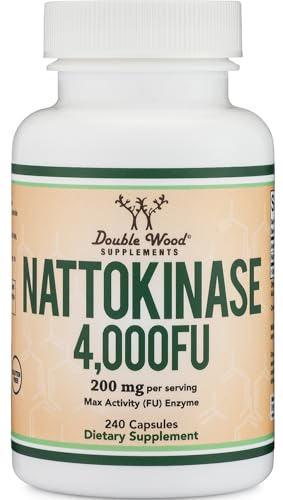
PAD already has established, evidence-based medical management: antiplatelet therapy, statins, blood pressure control, smoking cessation, and supervised exercise programs, all of which have dedicated PAD-outcome trials behind them. Nattokinase’s plausible mechanistic overlap with atherosclerotic disease doesn’t substitute for that established care, and anyone with diagnosed PAD considering nattokinase should discuss it with their vascular specialist first, particularly given nattokinase’s bleeding-risk profile and interactions with anticoagulants and antiplatelet medications that PAD patients are often already prescribed.
References
- Data Recorded in Real Life Support the Safety of Nattokinase in Patients with Vascular Diseases. PMC (2021). PMC8231931
- Chen H et al. Effective management of atherosclerosis progress and hyperlipidemia with nattokinase: A clinical study with 1,062 participants. Frontiers in Cardiovascular Medicine (2022). PMID 36072877
These statements have not been evaluated by the Food and Drug Administration. This information is not intended to diagnose, treat, cure, or prevent any disease. Content is for informational purposes only and is not medical advice; consult a qualified healthcare provider before starting any supplement. As an Amazon Associate we earn from qualifying purchases.
