Nattokinase is a protein enzyme, not a stable small-molecule compound, which means its potency is more sensitive to heat, time, and storage conditions than a typical vitamin or mineral supplement. A capsule that sat in a hot car or a warehouse without climate control for weeks can lose meaningful fibrinolytic activity well before its printed expiration date would suggest a problem. This guide covers what the stability research actually shows and translates it into practical storage guidance.
Key Takeaways
- Nattokinase’s optimum activity occurs around 55°C, but it stays relatively stable up to that temperature; stability drops sharply above 60-65°C.
- At 37°C (body temperature), nattokinase retains activity for roughly 5 hours before inactivating rapidly, relevant context for how quickly it must act once ingested.
- The enzyme is most stable at neutral-to-alkaline pH (roughly 6-9) and loses activity quickly below pH 5.
- Manufacturers increasingly use microencapsulation (such as spray-drying) specifically to improve nattokinase powder’s storage stability across temperature and pH swings.
Temperature Thresholds
Enzymatic studies of nattokinase found its optimum activity temperature is approximately 55°C, and the enzyme remains relatively stable up to that point, retaining more than 40% relative activity after two hours at 55°C. Stability drops sharply beyond that: relative activity fell to under 30% within just 20 minutes at 65°C, and fibrinolytic activity is described as being gradually lost above 60°C in multiple studies[1]. For finished commercial powder specifically, storage above 50°C caused activity to decrease rapidly[2], which is a realistic scenario for a bottle left in a hot car, a non-climate-controlled storage unit, or direct sunlight on a windowsill.

What Happens at Body Temperature
At 37°C, the relevant temperature once nattokinase is ingested and moving through the digestive tract, studies found no meaningful loss of activity for the first 5 hours, after which activity inactivates rapidly[1]. This is separate from the storage-stability question but relevant context for understanding why formulation choices like enteric coating (protecting the enzyme from stomach acid so it survives to reach the intestine) matter for oral nattokinase products, since the enzyme has a limited functional window even under ideal conditions.
pH Sensitivity
Nattokinase’s fibrinolytic activity is comparatively stable across a neutral-to-alkaline pH range, generally cited as roughly pH 6 to 9, and activity drops sharply in more acidic conditions, becoming very low around pH 3[1]. This pH sensitivity is a separate factor from temperature and is part of why some manufacturers stabilize the enzyme through chemical modification or encapsulation rather than relying on the raw enzyme surviving the stomach’s highly acidic environment unaided.
How Manufacturers Address This
Because free (unencapsulated) nattokinase is sensitive to both heat and pH extremes, researchers have explored stabilization approaches including spray-drying microencapsulation, which one study optimized to a process yielding 1,340 IU/ml activity with strong storage stability across varying temperature and pH conditions[2]. This is a manufacturing-side solution rather than something a consumer can verify from the label, but it’s part of why potency and manufacturing quality can vary meaningfully between brands even at the same stated FU dose.
Practical Storage Guidance
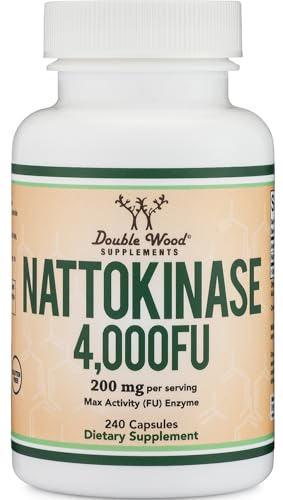
Store nattokinase capsules in a cool, dry place away from direct sunlight, ideally under 25°C (77°F), and avoid leaving bottles in hot cars, near stoves, or on sunny windowsills. Many manufacturers recommend refrigeration after opening for maximum shelf stability, particularly in warmer climates. Moisture is a separate degradation risk, so keep the desiccant packet in the bottle and reseal the cap tightly after each use rather than transferring capsules to an unsealed pill organizer for extended periods. If a product has been exposed to significant heat (a shipping delay in summer, storage in an uncooled garage), it’s reasonable to assume some potency loss even if it looks and smells normal, since enzyme degradation isn’t something you can detect by inspection.
References
- Yang Y. Study on the enzymatic properties of Nattokinase. Atlantis Press. Atlantis Press
- Li et al. Microencapsulation of nattokinase from fermentation by spray drying: Optimization, comprehensive score, and stability. Food Science & Nutrition (2021). PMC8269611
These statements have not been evaluated by the Food and Drug Administration. This information is not intended to diagnose, treat, cure, or prevent any disease. Content is for informational purposes only and is not medical advice; consult a qualified healthcare provider before starting any supplement. As an Amazon Associate we earn from qualifying purchases.
