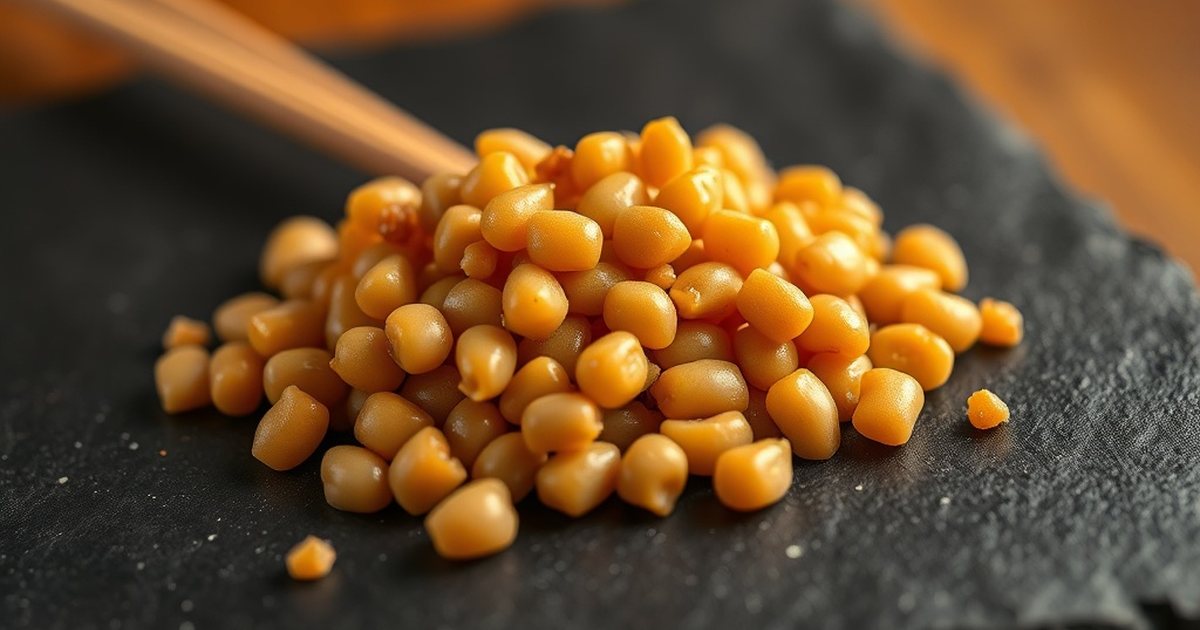
Nattokinase and coenzyme Q10 (CoQ10) both appear on supplement shelves under the heart-health banner, yet they work through mechanisms so different that comparing them is genuinely apples to oranges. Nattokinase is a serine protease enzyme extracted from natto, a traditional Japanese fermented soybean food, that directly degrades fibrin and stimulates the body’s own plasminogen activators to dissolve blood-clotting material in the vessels. CoQ10 is a fat-soluble electron carrier embedded in the inner mitochondrial membrane, shuttling electrons between respiratory complexes to generate ATP and acting as a lipophilic antioxidant. Neither compound works like the other, and understanding that distinction is the first step toward using either intelligently.
This article breaks down the proposed mechanism of each compound, summarizes what human evidence actually exists, outlines the populations most often studied, and flags the safety concerns that matter most, particularly the serious drug interactions associated with nattokinase. Nothing here constitutes medical advice; anyone managing a cardiovascular condition should speak with a physician before adding either supplement to their routine.
Key Takeaways
- Nattokinase works by breaking down fibrin and stimulating the body’s own clot-dissolving proteins; this is a completely different mechanism from CoQ10’s role in mitochondrial electron transport.
- CoQ10 supports cellular energy production in the heart through the mitochondrial respiratory chain, and research suggests CoQ10-class compounds can maintain electron flow even when Complex I is impaired [1].
- Disrupted NAD+/NADH redox balance in the heart worsens cardiac dysfunction [2], placing CoQ10 within a broader mitochondrial context relevant to cardiac energy metabolism.
- Nattokinase has serious drug interaction potential with anticoagulants and antiplatelet agents and should be discontinued at least one week before any surgical procedure.
- Both supplements have early, small-trial human evidence but neither has demonstrated reductions in hard cardiovascular outcomes like heart attack or stroke in large randomized trials.
How Nattokinase Works: A Fibrin-Targeting Enzyme
Nattokinase is produced when Bacillus subtilis bacteria ferment soybeans to make natto. The enzyme belongs to the serine protease family, meaning it cleaves protein bonds using a catalytically active serine residue. Its primary substrate is fibrin, the insoluble protein scaffold that gives blood clots their structure. By breaking fibrin into soluble degradation products, nattokinase can dissolve existing clots and, in laboratory and ex-vivo models, reduce conditions favorable to new clot formation.
Beyond direct fibrinolysis, nattokinase appears to upregulate endogenous plasminogen activators, the body’s own clot-dissolving proteins including tissue plasminogen activator (tPA) and urokinase. Small randomized trials in human subjects have documented measurable changes in fibrinolytic markers in plasma after supplementation, and a modest but reproducible signal for blood pressure reduction has emerged from several of these studies. The blood-pressure effect is not fully explained; proposed mechanisms include reduced arterial stiffness secondary to fibrin clearance and direct inhibition of angiotensin-converting enzyme (ACE). Because the supporting human trials are short-term and involve relatively few participants, these effects should be understood as preliminary rather than established.
How CoQ10 Works: Mitochondrial Electron Transport and Redox Balance
CoQ10 (ubiquinone) sits at the intersection of mitochondrial energy production and antioxidant defense. In its oxidized form it accepts electrons from NADH-dependent Complex I and FADH2-dependent Complex II, then passes them to Complex III. This electron relay is the engine of oxidative phosphorylation, the process that generates the majority of cardiac ATP. The heart is among the most metabolically active tissues in the body, making adequate CoQ10 availability particularly relevant to cardiac function.
Research using idebenone, a synthetic short-chain analog of CoQ10 designed to penetrate mitochondria more readily, has illuminated an important nuance of this pathway. In an ischemia/reperfusion model, cardioprotective effects of idebenone were found to be independent of reactive-oxygen-species scavenging and were instead attributed to the compound’s ability to donate electrons directly to Complex III, effectively bypassing a dysfunctional Complex I [1]. This finding is mechanistically significant: it suggests that CoQ10-class compounds can maintain electron flow even when upstream respiratory complexes are impaired, a scenario common in ischemic or metabolically stressed cardiac tissue.
A separate line of evidence ties CoQ10’s relevance to the broader context of cardiac NAD+ metabolism. Experimental work in diabetic cardiomyopathy has shown that NAD+/NADH redox imbalance exacerbates contractile dysfunction and structural remodeling in the heart [2]. Because CoQ10 works in tight concert with the NAD+/NADH couple at Complex I, perturbations in either the coenzyme or the redox ratio compound one another, a relationship that may help explain why CoQ10 depletion is observed in various forms of heart failure.

The Evidence Base: What Human Studies Actually Show
For nattokinase, the human trial record is growing but still limited. Studies have generally enrolled dozens to low hundreds of participants, run for weeks to a few months, and measured surrogate endpoints such as fibrinogen, D-dimer, blood pressure, and arterial stiffness rather than hard cardiovascular outcomes like heart attack or stroke. No large phase-III trial has demonstrated that nattokinase reduces major adverse cardiac events. Demonstrating a biomarker change is not the same as demonstrating clinical benefit, and this distinction matters enormously when evaluating supplement claims.
CoQ10 has a longer clinical research history, particularly in the context of heart failure and statin-associated myopathy. The most frequently cited trial, Q-SYMBIO, reported improvements in symptoms and reductions in major cardiac events in patients with moderate-to-severe heart failure receiving high-dose CoQ10, though that trial has methodological limitations and has not been fully replicated. Statin medications inhibit the same mevalonate pathway that produces CoQ10 endogenously, so supplementation in statin users is frequently discussed, though evidence that replenishment improves clinical outcomes in this group remains inconsistent.
In summary, both compounds have a plausible mechanistic rationale and early supportive human data, but neither has the evidence base of an FDA-approved cardiovascular drug. Claims that either supplement treats or cures heart disease are not substantiated by the available data, and the FDA has not evaluated either compound for treating, curing, or preventing any disease.
Cardiovascular Applications: Matching Mechanism to Need
Because nattokinase acts on fibrin and platelet aggregation pathways, it is most often discussed in the context of thrombotic risk, including concerns about blood viscosity, arterial clot formation, and related biomarkers. People interested in supporting healthy circulation or who have been told they have elevated fibrinogen may find the proposed mechanism relevant. It is also discussed for blood pressure support, where the modest trial data suggest a small average effect on systolic and diastolic readings.
CoQ10, with its mitochondrial energy focus, is most often discussed in populations where cellular energy metabolism in the heart may be compromised: people with heart failure, those taking statins, older adults whose endogenous CoQ10 synthesis declines with age, and people with conditions involving oxidative stress. The connection between mitochondrial electron transport and cardiac contractile function, illustrated by the Complex I bypass mechanism identified with idebenone [1], provides a biologically coherent reason why maintaining adequate CoQ10 could matter for cellular energy production in the heart. Similarly, research highlighting how NAD+/NADH imbalance aggravates diabetic cardiomyopathy [2] places CoQ10 within a broader mitochondrial redox context relevant to cardiac health.
Nattokinase and CoQ10 address different physiological concerns and are not interchangeable. Taking both does not create synergy simply by virtue of both being labeled ‘heart health.’ If anything, their mechanisms are so distinct that they would need to be evaluated independently for any given individual’s situation.
Safety and Drug Interactions: The Non-Negotiables
Nattokinase carries meaningful safety considerations that CoQ10 does not share. Because it enhances fibrinolysis and has antiplatelet activity, nattokinase must not be combined with anticoagulants such as warfarin, heparin, or direct oral anticoagulants, or with antiplatelet drugs such as aspirin, clopidogrel, or ticagrelor, without physician supervision. The additive bleeding risk follows directly from overlapping mechanisms and is not theoretical. Anyone scheduled for surgery should discontinue nattokinase at least one week beforehand. People with a history of bleeding disorders, hemorrhagic stroke, or active peptic ulcer disease should avoid it unless specifically cleared by a physician.
CoQ10 is generally well tolerated. Its most clinically relevant interaction is with warfarin: CoQ10 has structural similarities to vitamin K2 and has been reported to reduce warfarin’s anticoagulant effect in some individuals, potentially requiring dose adjustment. This interaction is modest in magnitude and inconsistent across individuals, but warfarin users should inform their prescriber before starting CoQ10. CoQ10 is also fat-soluble, so absorption is meaningfully improved when taken with a meal containing fat; this is a practical consideration rather than a safety concern.
Practical Considerations: Dosing, Form, and Quality
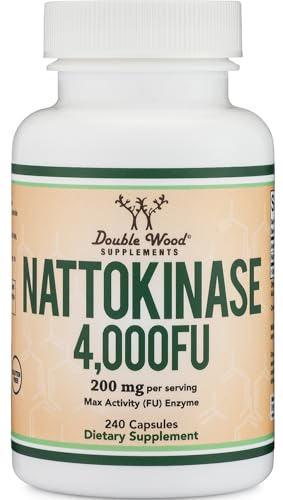
Nattokinase is typically expressed in fibrinolytic units (FU) rather than milligrams, because enzymatic activity rather than mass determines potency. Doses in human trials have commonly ranged from 2,000 to 4,000 FU daily. Product quality varies considerably; look for supplements standardized to fibrinolytic units with third-party testing, as enzyme activity can degrade with poor storage or manufacturing practices.
CoQ10 is available in two forms: ubiquinone (the oxidized form) and ubiquinol (the reduced antioxidant form). Ubiquinol is often marketed as superior for older adults or those with absorption difficulties, though comparative bioavailability data are mixed. Typical trial doses have ranged from 100 to 400 mg daily. As noted, fat co-ingestion substantially improves absorption of either form, and dosing with dinner is a practical default for most users.
🛒 Where to Buy Nattokinase
- Doctor’s Best Nattokinase 2,000 FULab-tested / studied
capsules, 100 mg NSK-SD per vcap (2,000 FU) — Most widely referenced brand in clinical and integrative medicine contexts; uses Japan Bio Science Laboratory NSK-SD ingredient; vegetarian capsules; 90 count - NOW Foods Nattokinase 100 mg
capsules, 100 mg per vcap (2,000 FU) — Mainstream GMP-certified brand; affordable entry-level option; 90 vcaps; widely available - Source Naturals Nattokinase 100 mg
capsules, 100 mg per tablet (2,000 FU) — Long-established supplement brand; competitive pricing at 60 tablets; good for budget-conscious buyers familiar with the brand - Healthy Origins Nattokinase 2,000 FU
capsules, 100 mg per vcap (2,000 FU) — Best cost-per-serving option on Amazon; 180 vcap bottle; uses NSK-SD ingredient; popular bulk buy for long-term users
As an Amazon Associate we earn from qualifying purchases. Nattokinase is sold on an enzymatic activity claim, and independent testing has repeatedly found bottles delivering well under their labelled potency. Check that the label states fibrinolytic units (FU) per capsule rather than milligrams alone, and prefer a brand that will supply a batch-specific certificate of analysis showing the measured FU result for that lot, since GMP certification alone does not verify it.
A Note on the Evidence
Both nattokinase and CoQ10 are sold as dietary supplements and have not been evaluated by the FDA to treat, cure, or prevent any disease; supporting human trials are generally small, short-term, and measure surrogate endpoints rather than hard cardiovascular outcomes. Nattokinase in particular carries significant bleeding risk when combined with anticoagulants or antiplatelet medications, should be discontinued at least one week before any surgical procedure, and must not be used as a substitute for prescribed cardiovascular therapy without physician supervision.

Frequently Asked Questions
Can I take nattokinase and CoQ10 together?
There is no known direct pharmacological interaction between nattokinase and CoQ10 specifically. The more important question is whether either is appropriate given your other medications: nattokinase has clinically significant interactions with blood thinners and antiplatelet drugs, and CoQ10 may modestly affect warfarin dosing. Always disclose all supplements to your physician before combining them with any prescribed cardiovascular therapy.
Does nattokinase replace blood thinners like warfarin or aspirin?
No. Nattokinase has fibrinolytic activity, but it has not been studied as a replacement for anticoagulant therapy in conditions such as atrial fibrillation, deep vein thrombosis, pulmonary embolism, or mechanical heart valves. Stopping a prescribed anticoagulant in favor of nattokinase could be life-threatening. Never alter anticoagulant or antiplatelet therapy without physician guidance.
Why do some heart failure patients take CoQ10?
The heart has extremely high ATP demands, and CoQ10 is central to mitochondrial energy production via the electron transport chain. Research on idebenone, a CoQ10 analog, found cardioprotective effects tied to its ability to maintain electron flow through the respiratory chain even when Complex I is impaired [1]. Additionally, work in diabetic cardiomyopathy shows that disrupted NAD+/NADH redox balance in the heart worsens contractile dysfunction [2], and CoQ10 operates within the same mitochondrial redox network, providing a plausible rationale for supplementation in metabolically compromised cardiac tissue.
Does CoQ10 interact with any heart medications?
CoQ10 has structural similarities to vitamin K and may modestly reduce the effectiveness of warfarin in some individuals, potentially requiring dose monitoring and adjustment by the prescribing physician. It does not carry the same additive bleeding risk profile as nattokinase when combined with anticoagulants. Patients on any cardiovascular medication should inform their doctor before starting CoQ10.
How long does nattokinase take to show effects on fibrinolytic markers?
Short-term human trials have observed changes in fibrinolytic markers such as fibrinogen and D-dimer within weeks of daily supplementation, though study durations have been limited, typically ranging from 8 to 26 weeks. There is no established timeline for any clinical cardiovascular benefit, and long-term effects have not been adequately studied in controlled trials.
Is CoQ10 useful if I am on a statin?
Statins inhibit the mevalonate pathway, which is also required for endogenous CoQ10 synthesis, leading to measurable reductions in plasma CoQ10 levels. Whether supplementing CoQ10 improves clinical outcomes in statin users, particularly statin-associated muscle symptoms, remains an area of active debate with inconsistent evidence across trials. Discuss with your prescribing physician whether supplementation is appropriate for your specific situation before starting.
References
- Perry JB et al. Cardioprotective effects of idebenone do not involve ROS scavenging: Evidence for mitochondrial complex I bypass in ischemia/reperfusion injury. Journal of molecular and cellular cardiology (2019). PMID 31445917
- Chiao YA et al. NAD(+) Redox Imbalance in the Heart Exacerbates Diabetic Cardiomyopathy. Circulation. Heart failure (2021). PMID 34374300
These statements have not been evaluated by the Food and Drug Administration. This information is not intended to diagnose, treat, cure, or prevent any disease. Content is for informational purposes only and is not medical advice; consult a qualified healthcare provider before starting any supplement. As an Amazon Associate we earn from qualifying purchases.
