As we navigate the complexities of aging, concerns about cardiovascular health often come to the forefront. Many individuals over 40 seek natural strategies to support their heart and circulatory system, particularly regarding blood clot prevention and blood pressure management. The search for effective, evidence-backed supplements can be daunting, leading many to explore compounds like nattokinase.
This comprehensive guide from NattokinaseHub aims to provide a clear, clinically precise overview of nattokinase benefits, grounded in the latest research. We will examine what the science truly says about this unique enzyme, focusing on its mechanisms, proven effects, and crucial safety considerations, especially for those considering it alongside conventional therapies.
FTC Disclosure: Please note that NattokinaseHub may earn a commission from qualifying purchases made through affiliate links within this article. This helps support our research and content creation.
What is Nattokinase? A Fibrinolytic Enzyme Explained
Nattokinase is an enzyme derived from natto, a traditional Japanese fermented soybean food. It is produced by the bacterium Bacillus subtilis during the fermentation process. Unlike many enzymes, nattokinase has demonstrated significant fibrinolytic activity, meaning it can break down fibrin, a protein crucial for blood clot formation.
Its discovery and subsequent research have positioned it as a subject of considerable interest in cardiovascular health. The enzyme’s unique properties distinguish it from other natural compounds that may support circulation.
Nattokinase for Blood Clot Prevention: The Fibrinolytic Mechanism
How Nattokinase Breaks Down Fibrin
The primary mechanism by which nattokinase contributes to blood clot prevention is its direct fibrinolytic action. Research indicates that nattokinase directly hydrolyzes fibrin and fibrinogen, the precursor to fibrin. This enzymatic action helps to dissolve existing clots and may reduce the risk of new clot formation.
Beyond direct action, nattokinase also enhances the body’s natural fibrinolytic system. It has been shown to increase the production of urokinase-type plasminogen activator (uPA) and tissue plasminogen activator (tPA), both of which convert plasminogen into plasmin. Plasmin is another enzyme that degrades fibrin, thus amplifying the clot-dissolving effect.
Evidence from Clinical Trials
Several studies have investigated nattokinase’s impact on blood viscosity and clot markers. A randomized, double-blind, placebo-controlled study involving healthy volunteers found that nattokinase supplementation significantly decreased plasma levels of fibrinogen and factor VII, both critical components in the coagulation cascade. These findings suggest a potential role in reducing overall thrombotic risk.
Another trial demonstrated that nattokinase could decrease D-dimer levels, a marker of fibrin degradation products, in patients with cardiovascular risk factors. While promising, it is important to note that many of these studies involve relatively small sample sizes and further large-scale trials are needed to confirm these effects across broader populations.

Nattokinase and Blood Pressure Support: An ACE-Inhibiting Effect
The Renin-Angiotensin System and Nattokinase
Nattokinase’s potential for blood pressure support is primarily attributed to its Angiotensin-Converting Enzyme (ACE) inhibitory activity. ACE plays a crucial role in the renin-angiotensin system, which regulates blood pressure. By inhibiting ACE, nattokinase can reduce the conversion of angiotensin I to angiotensin II, a potent vasoconstrictor.

This mechanism leads to vasodilation, the widening of blood vessels, which in turn helps to lower blood pressure. This action is similar to that of pharmaceutical ACE inhibitors, though typically less potent.
Clinical Findings on Hypertension
Multiple human trials have explored nattokinase’s effect on blood pressure. A meta-analysis of randomized controlled trials concluded that nattokinase supplementation led to a significant reduction in both systolic and diastolic blood pressure, particularly in individuals with pre-existing hypertension. The average reductions observed were modest but statistically significant.
For instance, one study involving subjects with stage 1 hypertension reported a decrease of approximately 5.5 mmHg in systolic blood pressure and 2.8 mmHg in diastolic blood pressure after eight weeks of nattokinase supplementation. These results are encouraging for those seeking natural adjuncts to blood pressure management, but nattokinase should not replace prescribed medication without physician consultation.
Longevity Enzyme? Nattokinase and Overall Cardiovascular Health
Beyond its direct effects on fibrinolysis and blood pressure, nattokinase may contribute to broader cardiovascular health, positioning it as a potential “longevity enzyme” in some circles. Maintaining optimal blood flow and reducing arterial stiffness are key factors in healthy aging and longevity.
Some research suggests nattokinase may also influence lipid profiles, though the evidence here is less consistent. Preliminary studies have indicated potential reductions in total cholesterol and LDL (bad) cholesterol, and increases in HDL (good) cholesterol. However, these findings require more robust and larger-scale investigations for definitive conclusions.
The cumulative effect of improved circulation, reduced clot risk, and stabilized blood pressure contributes to a healthier cardiovascular system over time. This holistic support is what underpins its appeal as a longevity-focused supplement.
Nattokinase and Other Natural Cardiovascular Supports
Nattokinase is often considered alongside other natural compounds known for cardiovascular benefits. Understanding their distinct mechanisms can help in making informed decisions.
| Supplement | Primary Mechanism of Action | Key Cardiovascular Benefit |
|---|---|---|
| Nattokinase | Direct fibrinolysis, ACE inhibition, plasminogen activation | Blood clot prevention, blood pressure support |
| Omega-3 Fatty Acids (EPA/DHA) | Anti-inflammatory, triglyceride reduction, anti-arrhythmic | Reduced inflammation, improved lipid profile, heart rhythm support |
| Coenzyme Q10 (CoQ10) | Mitochondrial energy production, antioxidant | Cellular energy for heart muscle, antioxidant protection |
| Magnesium | Vasodilation, nerve and muscle function, electrolyte balance | Blood pressure regulation, reduced muscle cramps, nerve health |
| Garlic Extract | Nitric oxide production, anti-platelet, cholesterol reduction | Blood pressure support, improved circulation, mild cholesterol lowering |
Each of these supplements offers unique benefits. Nattokinase stands out for its specific fibrinolytic properties, a mechanism not significantly shared by many other common cardiovascular aids.
Safety, Dosage, and Drug Interactions: Crucial Considerations
While generally well-tolerated, nattokinase is not without risks, particularly due to its blood-thinning properties. It is absolutely critical to discuss nattokinase supplementation with a healthcare professional, especially if you are on any medication or have pre-existing health conditions.
Bleeding Risk and Anticoagulant Interactions
The most significant safety concern with nattokinase is its potential to increase the risk of bleeding. Because it acts as a fibrinolytic agent, it can potentiate the effects of anticoagulant (blood thinner) medications such as warfarin, rivaroxaban, apixaban, and dabigatran. It can also enhance the effects of antiplatelet drugs like aspirin and clopidogrel.

Combining nattokinase with these medications can lead to an elevated risk of bruising, nosebleeds, gastrointestinal bleeding, or more severe hemorrhagic events. Patients currently on any form of anticoagulant or antiplatelet therapy should strictly avoid nattokinase unless explicitly advised and monitored by their prescribing physician. Discontinue nattokinase at least two weeks before any scheduled surgery or dental procedure.
Recommended Dosage and Administration
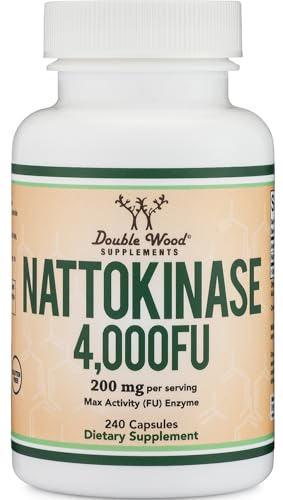
Nattokinase dosage is typically measured in Fibrinolytic Units (FU), which reflect its enzymatic activity. Common dosages in studies range from 100 mg (approximately 2,000 FU) to 200 mg (approximately 4,000 FU) per day. Some research has explored higher doses, but these should only be considered under medical supervision.
It is generally recommended to start with a lower dose and assess tolerance. Nattokinase is best taken on an empty stomach to optimize absorption. Always adhere to the dosage instructions provided by the manufacturer or your healthcare provider.
Other Potential Side Effects
Beyond bleeding risk, nattokinase is generally well-tolerated. Some individuals may experience mild gastrointestinal upset, such as nausea or diarrhea, especially when first starting supplementation. Allergic reactions, though rare, are possible, particularly in individuals with soy allergies, as nattokinase is derived from fermented soybeans.
Choosing a Nattokinase Supplement (Affiliate Section)
When selecting a nattokinase supplement, quality and purity are paramount. Look for products that clearly state the Fibrinolytic Units (FU) per serving, as this indicates the enzyme’s activity level. Reputable brands often provide third-party testing for purity and potency.
Consider products that are free from common allergens if you have sensitivities, although nattokinase itself is generally considered safe for those with soy allergies due to the fermentation process breaking down most soy proteins. For those seeking a high-potency option, search for nattokinase 4000 FU. If you prefer a more moderate daily intake, consider searching for nattokinase 2000 FU. For those looking for combinations, search for nattokinase serrapeptase combination supplements, as serrapeptase is another proteolytic enzyme often paired with nattokinase.
Conclusion: An Evidence-Based Perspective
Nattokinase presents a compelling case as a natural supplement for cardiovascular support, with evidence pointing to its roles in blood clot prevention through fibrinolysis and blood pressure management via ACE inhibition. Its unique enzymatic properties offer a distinct advantage in the landscape of natural health solutions.

However, the science, while promising, often stems from studies with smaller cohorts. It is crucial to approach nattokinase with an evidence-first mindset, acknowledging its limitations and the necessity for ongoing, large-scale research. Safety remains the top priority; always consult a healthcare professional before incorporating nattokinase, especially if managing existing cardiovascular conditions or taking medications.

Frequently Asked Questions (FAQ)
Is nattokinase a blood thinner?
Nattokinase is not a traditional pharmaceutical blood thinner, but it does have fibrinolytic (clot-dissolving) and mild antiplatelet effects. This means it can reduce the blood’s ability to clot and potentially increase bleeding risk, especially when combined with other anticoagulant or antiplatelet medications.
How long does it take for nattokinase to work?
Some studies have shown measurable changes in blood markers like fibrinogen and D-dimer within a few weeks of consistent supplementation. For blood pressure effects, observable changes may take 8-12 weeks. Individual responses can vary.
Can I take nattokinase with blood pressure medication?
You should not take nattokinase with blood pressure medication without strict medical supervision. Nattokinase has ACE-inhibitory effects, and combining it with prescribed blood pressure medications could lead to an excessive drop in blood pressure, or other adverse interactions. Always consult your doctor.
Is nattokinase safe for long-term use?
Limited long-term safety data exists for nattokinase. While generally well-tolerated in shorter studies, the potential for cumulative effects on bleeding risk with prolonged use, especially in sensitive individuals or those with underlying conditions, requires ongoing medical evaluation. Discuss long-term use with your physician.
Can I get enough nattokinase from natto food?
While natto is the source of nattokinase, the amount of active enzyme can vary significantly in the food. Supplementation provides a standardized and concentrated dose, making it a more reliable way to achieve therapeutic levels of nattokinase.
Who should avoid nattokinase?
Individuals on anticoagulant or antiplatelet medications, those with bleeding disorders, individuals awaiting surgery, pregnant or breastfeeding women, and those with severe soy allergies should avoid nattokinase. Always consult a healthcare professional before starting any new supplement.
These statements have not been evaluated by the FDA. This product is not intended to diagnose, treat, cure, or prevent any disease.
These statements have not been evaluated by the Food and Drug Administration. This information is not intended to diagnose, treat, cure, or prevent any disease. Content is for informational purposes only and is not medical advice; consult a qualified healthcare provider before starting any supplement. As an Amazon Associate we earn from qualifying purchases.
