Nattokinase is a serine protease enzyme derived from natto, a traditional Japanese food made by fermenting soybeans with the bacterium Bacillus subtilis. Discovered in 1980 by researcher Hiroyuki Sumi, nattokinase drew attention because natto itself had long been associated in Japanese folk medicine with cardiovascular health. The enzyme is now sold worldwide as a dietary supplement, extracted and concentrated from the fermentation process that produces natto.
Understanding nattokinase requires understanding natto first. The two are inseparable: without the specific fermentation conditions that transform whole soybeans into natto, nattokinase would not exist. This article explores that connection, explains the proposed mechanisms behind nattokinase’s fibrinolytic activity, and honestly appraises what the current human evidence does and does not show.
Key Takeaways
- Nattokinase is an enzyme produced exclusively during the Bacillus subtilis fermentation of soybeans that creates natto — it does not exist in raw or conventionally cooked soy.
- Its proposed mechanisms include direct fibrin degradation and upregulation of the body’s own plasminogen activator system, but much mechanistic evidence comes from lab and animal studies.
- Human clinical trials have been small and short-term; modest effects on fibrinolytic markers and blood pressure have been reported, but no large trials have confirmed these findings.
- Nattokinase carries real bleeding risk when combined with anticoagulants or antiplatelet drugs — physician consultation is essential before use alongside any such medications.
- Eating natto as a whole food delivers a broader range of bioactives than a nattokinase supplement, and the two should not be considered equivalent.
What Is Natto and How Is It Made?
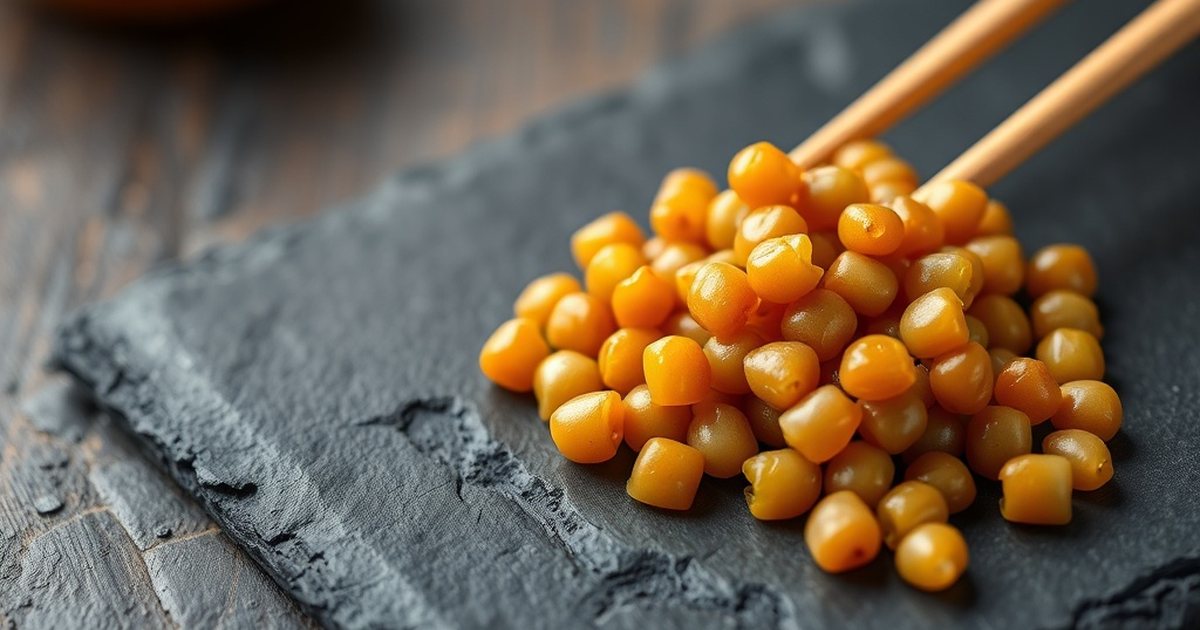
Natto is a traditional Japanese food with a history spanning over a thousand years, particularly common in eastern Japan. It is produced by soaking whole soybeans, steaming or boiling them, and then inoculating them with Bacillus subtilis var. natto — a specific bacterial strain. The mixture is incubated at around 40°C for roughly 18 to 24 hours, during which the bacteria proliferate across the soybean surface, producing a characteristic sticky, stringy coating and a pungent aroma.
The fermentation process dramatically changes the biochemical composition of the soybeans. Proteins are partially broken down, bioavailability of certain nutrients increases, and — critically for nattokinase — the bacteria secrete extracellular proteolytic enzymes, including nattokinase, into the fermented matrix. This enzymatic activity is a byproduct of bacterial metabolism, not something present in raw or conventionally cooked soybeans. It is unique to this specific bacterial fermentation.
Traditional natto is eaten as a breakfast food in Japan, often served over rice with mustard and soy sauce. The same food that generations of Japanese families have consumed is the direct biological source of the enzyme now studied in cardiovascular research contexts.
Nattokinase: How the Enzyme Is Isolated
For supplement production, nattokinase is extracted from natto through a process involving aqueous extraction, filtration, and purification steps designed to isolate the active enzyme while removing other fermentation byproducts, including vitamin K2 (menaquinone-7), which is present in natto in meaningful amounts. This distinction matters because nattokinase supplements are often marketed to people who cannot take vitamin K due to anticoagulant therapy — however, consumers should verify with the manufacturer whether a given product is genuinely K2-free.
The enzyme is a serine protease with a molecular weight of approximately 27.7 kDa. It belongs to the subtilisin family of enzymes, sharing structural characteristics with other bacterial proteases produced by Bacillus species. Its stability across a moderate pH range and its ability to survive partial digestion in the gastrointestinal tract have been points of interest in bioavailability research, though oral absorption and in vivo activity remain active areas of investigation.

Proposed Mechanisms: How Nattokinase May Affect Blood Clotting
Nattokinase is proposed to exert fibrinolytic effects through several pathways. First, it can directly degrade fibrin — the protein scaffold of blood clots — by cleaving fibrin strands enzymatically. Second, it is thought to upregulate endogenous fibrinolytic factors, including tissue plasminogen activator (tPA) and urokinase, while also degrading plasminogen activator inhibitor type 1 (PAI-1), which normally suppresses the body’s own clot-dissolving activity. Third, some research suggests nattokinase may inhibit platelet aggregation through mechanisms that remain under investigation.
These proposed mechanisms collectively suggest that nattokinase could support the body’s natural fibrinolytic system rather than replacing it. However, it is important to recognize that much of the mechanistic evidence comes from in vitro studies and animal models. Demonstrating these effects reliably in living humans, at doses achievable through supplementation, requires well-designed clinical trials — and the human evidence base, while growing, remains limited in scale and duration.
Human Trial Evidence: What Small Studies Have Found
The human clinical evidence for nattokinase consists primarily of small, short-duration randomized controlled trials. These studies have generally examined fibrinolytic markers, blood viscosity, and cardiovascular risk factors in populations such as adults with elevated cardiovascular risk or hypertension. Some trials have reported modest reductions in systolic and diastolic blood pressure, as well as changes in fibrinolytic activity markers, following nattokinase supplementation over periods ranging from weeks to a few months.
It is critical to be transparent about the limitations of this evidence. The trials are small — often involving dozens of participants rather than hundreds or thousands. They are short-term, meaning long-term safety and efficacy data are lacking. Study populations, dosing protocols, and outcome measures vary across trials, making direct comparisons difficult. No large-scale, long-term randomized controlled trial has established nattokinase as an effective intervention for any cardiovascular condition. The FDA has not evaluated or approved nattokinase for treating, curing, or preventing any disease.
This does not mean the research is worthless — the mechanistic plausibility is real and the early signals warrant further investigation. It means consumers and clinicians should view nattokinase as a supplement with promising preliminary data, not an evidence-based treatment.
Natto as a Whole Food vs. Nattokinase as a Supplement
An important distinction often overlooked in discussions of nattokinase is the difference between eating natto as a whole food and taking an isolated nattokinase supplement. Natto contains numerous bioactive components beyond nattokinase, including vitamin K2 (menaquinone-7), isoflavones, polyglutamic acid, and a range of fermentation-derived metabolites. The cardiovascular associations observed in Japanese population studies involving natto consumption likely reflect the combined effect of multiple constituents, not nattokinase alone.
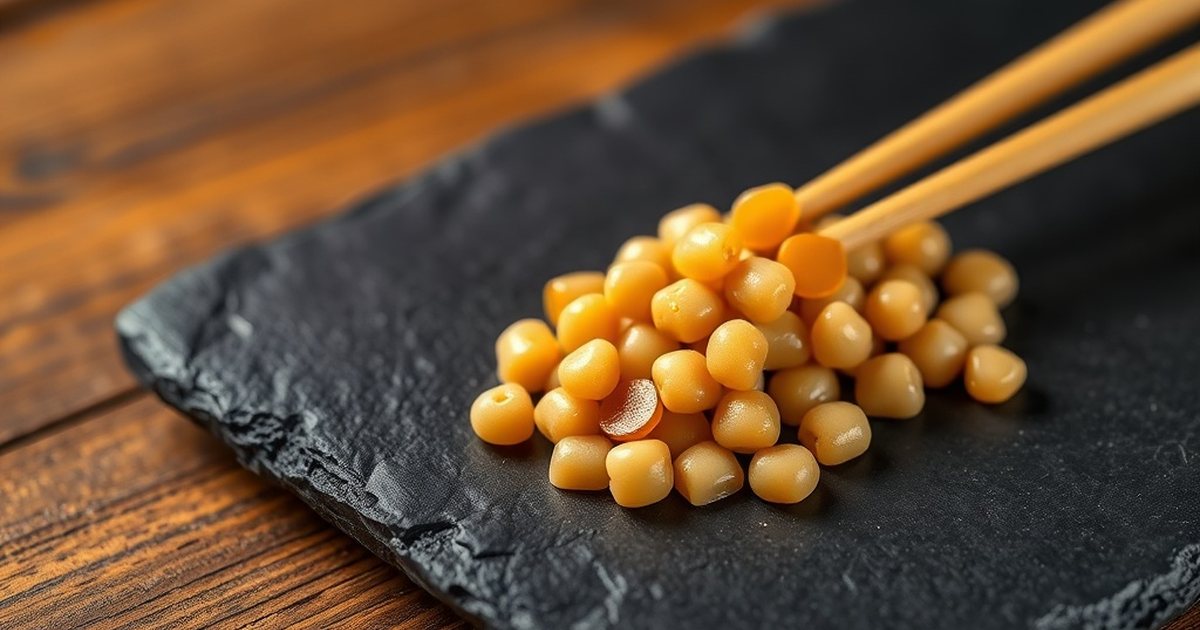
Nattokinase supplements isolate one enzyme from this complex food matrix. While this allows for standardized dosing and removal of vitamin K2 (relevant for those on warfarin), it also means the supplement does not replicate the full nutritional profile of eating natto. People who enjoy natto as a food are getting a different biological input than those taking a supplement capsule, and these should not be assumed equivalent in effect.
Safety Considerations and Drug Interactions
Nattokinase has meaningful fibrinolytic and antiplatelet activity, and this is precisely why its safety profile demands careful attention. The enzyme must not be combined with anticoagulants such as warfarin or heparin, or antiplatelet medications such as aspirin or clopidogrel, without direct physician supervision. The combined effect of nattokinase and these drugs could substantially increase bleeding risk, including risk of serious internal bleeding.
Individuals planning surgery should discontinue nattokinase at least one week before any surgical procedure due to its blood-thinning effects. People with bleeding disorders, those recovering from stroke (particularly hemorrhagic stroke), and those on any medications affecting coagulation should consult a physician before using nattokinase. Pregnant women should avoid it due to insufficient safety data.
General tolerability in short-term trials has been reported as acceptable, but the absence of long-term safety data means that extended use without medical monitoring is not well characterized. As with any supplement with physiological activity on the coagulation system, the principle of caution applies — bioactivity is a double-edged quality.
🛒 Where to Buy Nattokinase
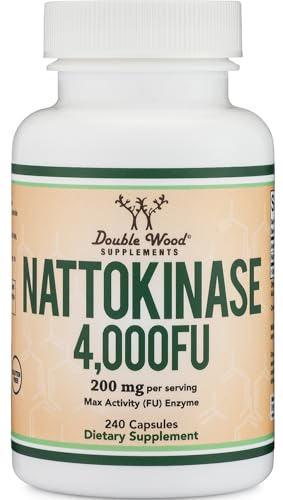
- Doctor’s Best Nattokinase 2,000 FULab-tested / studied
capsules, 100 mg NSK-SD per vcap (2,000 FU) — Most widely referenced brand in clinical and integrative medicine contexts; uses Japan Bio Science Laboratory NSK-SD ingredient; vegetarian capsules; 90 count - NOW Foods Nattokinase 100 mg
capsules, 100 mg per vcap (2,000 FU) — Mainstream GMP-certified brand; affordable entry-level option; 90 vcaps; widely available - Source Naturals Nattokinase 100 mg
capsules, 100 mg per tablet (2,000 FU) — Long-established supplement brand; competitive pricing at 60 tablets; good for budget-conscious buyers familiar with the brand - Healthy Origins Nattokinase 2,000 FU
capsules, 100 mg per vcap (2,000 FU) — Best cost-per-serving option on Amazon; 180 vcap bottle; uses NSK-SD ingredient; popular bulk buy for long-term users
As an Amazon Associate we earn from qualifying purchases. Nattokinase is sold on an enzymatic activity claim, and independent testing has repeatedly found bottles delivering well under their labelled potency. Check that the label states fibrinolytic units (FU) per capsule rather than milligrams alone, and prefer a brand that will supply a batch-specific certificate of analysis showing the measured FU result for that lot, since GMP certification alone does not verify it.
A Note on the Evidence
The human evidence for nattokinase consists of small, short-term trials, and no large-scale clinical studies have established it as an effective or safe treatment for any condition; individuals taking anticoagulants, antiplatelet drugs, or planning surgery, as well as anyone with a bleeding disorder or serious cardiovascular condition, should consult a physician before use. This article is informational only and does not constitute medical advice.

Frequently Asked Questions
What is the difference between eating natto and taking a nattokinase supplement?
Natto is a whole fermented food containing nattokinase alongside vitamin K2, isoflavones, and other fermentation metabolites. Nattokinase supplements isolate the enzyme, often removing vitamin K2 in the process. The two are not nutritionally equivalent, and any health associations observed with natto consumption as a traditional food may reflect multiple constituents acting together.
Can nattokinase be taken with warfarin or blood thinners?
No, not without physician supervision. Nattokinase has fibrinolytic and antiplatelet activity that can amplify the effects of anticoagulants like warfarin and heparin or antiplatelet drugs like aspirin and clopidogrel, significantly increasing bleeding risk. Anyone on these medications must consult their physician before considering nattokinase.
Has the FDA approved nattokinase for any health condition?
No. The FDA has not evaluated nattokinase for treating, curing, or preventing any disease. It is sold in the United States as a dietary supplement under regulations that do not require proof of efficacy prior to marketing. Human clinical trials to date have been small and short-term.
Why does nattokinase only come from natto and not from other soy products?
Nattokinase is produced by Bacillus subtilis var. natto during fermentation — it is a secreted bacterial enzyme, not a naturally occurring component of soybeans. Other soy foods like tofu, tempeh, miso, or edamame do not involve this specific bacterial fermentation and therefore do not contain nattokinase.
Should nattokinase be stopped before surgery?
Yes. Because of its fibrinolytic and antiplatelet activity, nattokinase should be discontinued at least one week before any surgical procedure to reduce the risk of excessive bleeding. Patients should inform their surgical team and anesthesiologist about all supplements they are taking.
Does nattokinase contain vitamin K2?
Natto itself contains significant amounts of vitamin K2 (menaquinone-7). Many nattokinase supplements are processed to remove vitamin K2, which is relevant for people on warfarin who must control their vitamin K intake. However, consumers should verify this with individual manufacturers, as processing standards vary.
These statements have not been evaluated by the Food and Drug Administration. This information is not intended to diagnose, treat, cure, or prevent any disease. Content is for informational purposes only and is not medical advice; consult a qualified healthcare provider before starting any supplement. As an Amazon Associate we earn from qualifying purchases.
