Longevity research consistently identifies cardiovascular disease, metabolic dysfunction, and systemic inflammation as the dominant drivers of premature death worldwide. Large epidemiological analyses confirm that vascular disease remains the leading cause of years of life lost across virtually every region of the world [1]. Against this backdrop, scientists and consumers have grown interested in dietary and supplemental strategies that may support vascular health—among them nattokinase, an enzyme extracted from natto, a traditional Japanese fermented soybean food.
Nattokinase is a serine protease produced by Bacillus subtilis during the fermentation that transforms soybeans into natto. Unlike many supplement ingredients studied primarily in cell culture, nattokinase has demonstrated measurable fibrinolytic activity in human plasma studies, and small randomized trials have documented modest reductions in blood pressure. This article examines what population-level evidence says about cardiovascular aging, what the trial data on nattokinase actually shows, and where the honest scientific limits currently lie.
Key Takeaways
- Cardiovascular disease remains the leading driver of premature death globally, making vascular health central to any evidence-based longevity discussion [1].
- Nattokinase is a fibrinolytic serine protease that degrades fibrin directly and upregulates the body’s own plasminogen activators, with measurable activity confirmed in human plasma studies.
- Small randomized trials show modest blood pressure and fibrinogen reductions, but no large long-term trial has established effects on hard cardiovascular outcomes or lifespan.
- Nattokinase must not be combined with anticoagulants or antiplatelet drugs without physician supervision and should be discontinued at least one week before any surgical procedure.
- Longevity patterns in populations that eat natto cannot be attributed to nattokinase alone—overall dietary pattern, metabolic health, and lifestyle factors are dominant determinants of lifespan [2].
Cardiovascular Disease, Aging, and the Longevity Gap
The relationship between heart disease and lifespan is not subtle. A comprehensive analysis of mortality across 204 countries from 1990 to 2021 found that cardiovascular diseases consistently account for the largest share of global mortality, with ischemic heart disease and stroke driving the majority of life-years lost [3]. A separate analysis of global mortality trends found that while life expectancy has increased substantially over the past seven decades, much of the remaining gap between current and theoretical maximum healthy lifespan is attributable to circulatory and metabolic disease [4].
Cardiovascular risk is not static across adulthood. Atherosclerosis progresses over decades, fibrin accumulation contributes to thrombotic risk, and the balance between procoagulant and fibrinolytic activity in the blood tends to shift unfavorably with age. This biological context is part of why researchers have examined whether dietary components or supplements with fibrinolytic properties might influence vascular aging—even though direct longevity endpoints have not been established in controlled trials of nattokinase.
What Nattokinase Is and How It Works
Nattokinase is a serine protease—meaning it cleaves proteins through a serine-containing catalytic site—secreted by Bacillus subtilis during natto fermentation. Its primary characterized action is direct enzymatic degradation of fibrin, the protein scaffold of blood clots. It also appears to work through a parallel pathway: upregulation of tissue plasminogen activator (tPA) and urokinase plasminogen activator (uPA), both endogenous fibrinolytic proteins that the body uses to dissolve clots naturally.
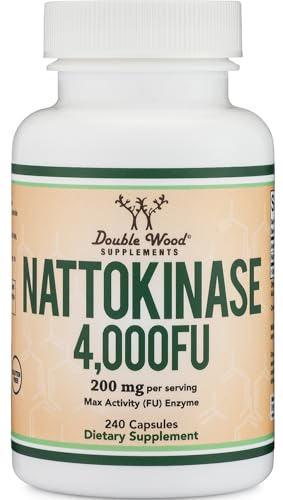
Fibrinolytic units (FU) are the standard measure of nattokinase potency, and most commercially available supplements are standardized to 2,000–4,000 FU per serving. In vitro studies and some human plasma studies have confirmed that oral nattokinase retains measurable activity after absorption, though the magnitude and duration of effect varies across individuals. Small randomized controlled trials have documented modest reductions in systolic and diastolic blood pressure, and some have reported reductions in fibrinogen and factor VIII—both markers associated with clotting tendency.


Antiplatelet activity has also been documented, meaning nattokinase may reduce platelet aggregation in addition to its fibrinolytic effects. This dual mechanism—fibrinolytic and antiplatelet—is clinically significant because it substantially increases the potential for bleeding interactions with anticoagulant and antiplatelet medications, a safety consideration that must not be minimized.
Natto as a Traditional Food and Its Place in Japanese Dietary Patterns
Natto itself is not simply a delivery vehicle for nattokinase. It is a nutritionally dense food containing high levels of vitamin K2 (specifically menaquinone-7, or MK-7), plant protein, dietary fiber, and a range of B vitamins. Vitamin K2 has been associated in observational research with improved arterial calcium metabolism and reduced arterial stiffness, making it difficult to isolate nattokinase’s effects from those of the broader food matrix when studying natto consumers.
Japan, where natto is consumed regularly by a significant portion of the population, has among the longest life expectancies in the world. However, attributing this longevity advantage to natto specifically is epidemiologically unsound. Japanese dietary patterns differ from Western patterns in dozens of ways simultaneously—including lower saturated fat intake, higher fish consumption, lower caloric density, and different carbohydrate quality. Cardiovascular disease burden is shaped by a large number of lifestyle, genetic, and environmental factors [1], and no credible analysis has isolated natto as an independent longevity driver in this population.
What Small Human Trials Actually Show
The human clinical evidence on nattokinase supplements is promising but limited. Trials to date have generally been small—fewer than 100 participants—short in duration (typically 8–26 weeks), and have used surrogate markers such as fibrinogen, blood pressure, and carotid intima-media thickness rather than hard clinical endpoints like myocardial infarction, stroke, or all-cause mortality. No large long-term randomized controlled trial has established whether nattokinase supplementation reduces cardiovascular events or extends lifespan.
Blood pressure findings are among the most replicated results. Several trials have documented reductions of approximately 3–5 mmHg systolic and 2–4 mmHg diastolic compared to placebo. While modest, even small sustained blood pressure reductions are associated with meaningful population-level reductions in stroke and coronary events—a relationship well-established in antihypertensive research. Whether nattokinase produces these benefits durably and across diverse patient populations remains unresolved.
Fibrinogen reduction has also been reported in some trials. Fibrinogen is a direct precursor to fibrin and an independent risk factor for cardiovascular events at elevated levels. Observed reductions in small trials are encouraging but must be interpreted cautiously given study size and duration limitations.
Metabolic Disease, Aging, and What Population Data Implies for Context
Longevity is not determined by any single biochemical pathway. A large meta-analysis of cohorts totaling over 100,000 participants found that dietary glycemic load was independently associated with increased risk of type 2 diabetes, cardiovascular disease, and all-cause mortality [2]. This underscores a key principle relevant to nattokinase research: vascular aging is a multifactorial process in which diet quality, metabolic health, inflammation, and fibrinolytic balance interact continuously. No supplement operates in isolation from these broader determinants.

Chronic kidney disease, which substantially accelerates cardiovascular risk and is itself a major contributor to global disease burden in aging populations [5], is associated with altered coagulation dynamics and fibrin accumulation. This has led some researchers to consider fibrinolytic agents in this context—though no large, well-replicated nattokinase trial in CKD populations exists. Supplement use in CKD requires physician oversight given altered drug metabolism and heightened bleeding risk.
Safety, Drug Interactions, and the Limits of Current Evidence
Nattokinase’s fibrinolytic and antiplatelet activity is a meaningful biological signal—and a meaningful safety consideration. It must not be combined with anticoagulants (warfarin, heparin, direct oral anticoagulants such as apixaban or rivaroxaban) or antiplatelet agents (aspirin, clopidogrel, ticagrelor) without direct physician supervision. The combination substantially increases hemorrhagic risk. Nattokinase should be discontinued at least one week before any elective surgical procedure.
The FDA has not evaluated nattokinase for treating, curing, or preventing any disease. Most supportive human trials are small and short-term, meaning that long-term safety data are limited. Because natto—the whole food—contains vitamin K2, which interacts with warfarin’s mechanism of action, individuals on warfarin anticoagulation should exercise caution with both natto consumption and nattokinase supplementation and discuss this with their prescribing physician. Individuals with bleeding disorders, those recovering from recent surgery, pregnant or breastfeeding women, and anyone managing a chronic cardiovascular or renal condition should consult a qualified healthcare provider before use.
🛒 Where to Buy Nattokinase
- Doctor’s Best Nattokinase 2,000 FULab-tested / studied
capsules, 100 mg NSK-SD per vcap (2,000 FU) — Most widely referenced brand in clinical and integrative medicine contexts; uses Japan Bio Science Laboratory NSK-SD ingredient; vegetarian capsules; 90 count - NOW Foods Nattokinase 100 mg
capsules, 100 mg per vcap (2,000 FU) — Mainstream GMP-certified brand; affordable entry-level option; 90 vcaps; widely available - Source Naturals Nattokinase 100 mg
capsules, 100 mg per tablet (2,000 FU) — Long-established supplement brand; competitive pricing at 60 tablets; good for budget-conscious buyers familiar with the brand - Healthy Origins Nattokinase 2,000 FU
capsules, 100 mg per vcap (2,000 FU) — Best cost-per-serving option on Amazon; 180 vcap bottle; uses NSK-SD ingredient; popular bulk buy for long-term users
As an Amazon Associate we earn from qualifying purchases. Nattokinase is sold on an enzymatic activity claim, and independent testing has repeatedly found bottles delivering well under their labelled potency. Check that the label states fibrinolytic units (FU) per capsule rather than milligrams alone, and prefer a brand that will supply a batch-specific certificate of analysis showing the measured FU result for that lot, since GMP certification alone does not verify it.
A Note on the Evidence
The human trial evidence for nattokinase is preliminary—most studies are small, short-term, and rely on surrogate markers rather than clinical endpoints, so no conclusions about cardiovascular events or longevity can yet be drawn. Nattokinase has genuine fibrinolytic and antiplatelet activity that creates real bleeding risk when combined with anticoagulant or antiplatelet medications; anyone on blood-thinning drugs, managing a chronic health condition, or approaching surgery should consult a physician before use. This article is informational only and does not constitute medical advice.

Frequently Asked Questions
Does nattokinase extend human lifespan?
No study has demonstrated that nattokinase supplementation extends human lifespan. Population studies confirm that cardiovascular disease is a leading driver of premature death globally [3], and nattokinase has been studied for surrogate cardiovascular markers, but hard longevity endpoints have not been tested in large controlled trials. Claims linking nattokinase to extended lifespan are not supported by available evidence.
What does nattokinase actually do in the body?
Nattokinase is a serine protease that directly degrades fibrin—the structural scaffold of blood clots—and upregulates the body’s own fibrinolytic enzymes, tissue plasminogen activator and urokinase plasminogen activator. Small trials have documented modest reductions in blood pressure and fibrinogen. It also has antiplatelet activity, which is relevant to both its potential cardiovascular effects and its interaction risks with blood-thinning medications.
Is eating natto the same as taking a nattokinase supplement?
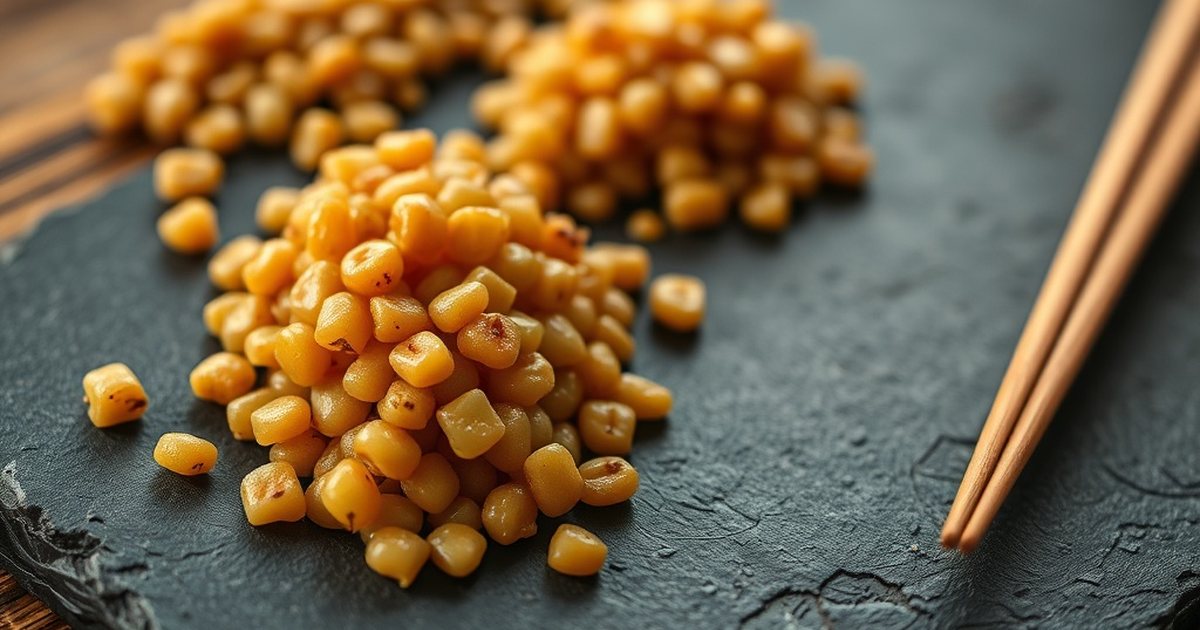
Not exactly. Natto provides nattokinase alongside vitamin K2 (MK-7), plant protein, fiber, and B vitamins. Supplements isolate and standardize the enzyme by fibrinolytic units. These two forms may have different effects given natto’s nutritional complexity—and the vitamin K2 content of natto is itself an important variable, particularly for anyone taking warfarin, where K2 directly affects anticoagulation status.
Why do Japanese populations live longer—is it because they eat natto?
Japan has among the world’s highest life expectancies, but this cannot be validly attributed to natto. Japanese dietary patterns differ from Western diets in numerous ways simultaneously, and cardiovascular and metabolic disease burden reflects many interacting lifestyle, genetic, and environmental factors [1]. A large meta-analysis of over 100,000 participants also highlights that overall dietary quality—including glycemic load—is independently associated with mortality risk [2], reinforcing that no single food drives population-level longevity.
Who should not take nattokinase?
Anyone taking anticoagulants (warfarin, heparin, apixaban, rivaroxaban) or antiplatelet agents (aspirin, clopidogrel, ticagrelor) should not take nattokinase without physician supervision due to combined bleeding risk. Those with bleeding disorders, chronic kidney disease [5], upcoming surgery, pregnancy, or breastfeeding should also consult a doctor before use. Nattokinase should be stopped at least one week before any planned surgical procedure.
How strong is the evidence for nattokinase's cardiovascular benefits?
The human evidence consists primarily of small randomized controlled trials lasting 8–26 weeks that measure surrogate markers—blood pressure, fibrinogen, carotid intima-media thickness—rather than clinical outcomes such as stroke or heart attack. Results are generally positive for modest blood pressure reduction, but the trials are too small and short to establish effects on cardiovascular events or mortality. The FDA has not approved nattokinase for treating or preventing any disease, and the evidence base should be considered preliminary.
References
- Global Burden of Cardiovascular Diseases and Risks 2023 Collaborators et al. Global, Regional, and National Burden of Cardiovascular Diseases and Risk Factors in 204 Countries and Territories, 1990-2023. Journal of the American College of Cardiology (2025). PMID 40990886
- Jenkins DJA et al. Association of glycaemic index and glycaemic load with type 2 diabetes, cardiovascular disease, cancer, and all-cause mortality: a meta-analysis of mega cohorts of more than 100 000 participants. The lancet. Diabetes & endocrinology (2024). PMID 38272606
- GBD 2021 Causes of Death Collaborators et al. Global burden of 288 causes of death and life expectancy decomposition in 204 countries and territories and 811 subnational locations, 1990-2021: a systematic analysis for the Global Burden of Disease Study 2021. Lancet (London, England) (2024). PMID 38582094
- GBD 2021 Demographics Collaborators et al. Global age-sex-specific mortality, life expectancy, and population estimates in 204 countries and territories and 811 subnational locations, 1950-2021, and the impact of the COVID-19 pandemic: a comprehensive demographic analysis for the Global Burden of Disease Study 2021. Lancet (London, England) (2024). PMID 38484753
- GBD 2023 Chronic Kidney Disease Collaborators et al. Global, regional, and national burden of chronic kidney disease in adults, 1990-2023, and its attributable risk factors: a systematic analysis for the Global Burden of Disease Study 2023. Lancet (London, England) (2025). PMID 41213283
These statements have not been evaluated by the Food and Drug Administration. This information is not intended to diagnose, treat, cure, or prevent any disease. Content is for informational purposes only and is not medical advice; consult a qualified healthcare provider before starting any supplement. As an Amazon Associate we earn from qualifying purchases.
