Nattokinase vs Alternatives: How It Stacks Up (2026)

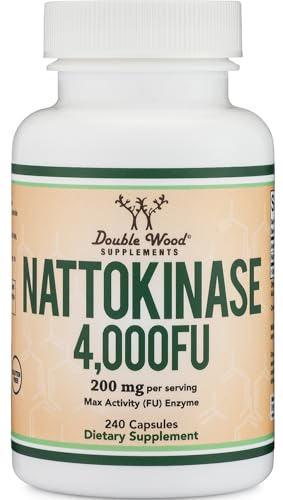
When searching for nattokinase, prioritize products from reputable manufacturers that provide clear labeling of Nattokinase Units (FUs), indicating enzymatic activity. Look for supplements that have undergone third-party testing for purity and potency, ensuring you are receiving the stated dosage.

Found this useful? Send it to someone who needs it.

Consider forms such as nattokinase capsules for convenient dosing or nattokinase powder if you prefer to mix it. Always check the ingredient list for unnecessary fillers or allergens. For specific needs, you might explore vegetarian nattokinase options.

Table of Contents

Frequently Asked Questions (FAQ)

What is the recommended dosage for nattokinase?

Typical dosages in studies range from 100 mg (2,000 FUs) to 200 mg (4,000 FUs) per day. However, optimal dosing can vary based on individual needs and health goals. Always follow product label instructions and consult a healthcare professional for personalized advice.

Can nattokinase replace prescription blood thinners?

No, nattokinase should never replace prescription blood thinners without direct medical supervision. Its effects are not as predictable or potent as pharmaceutical anticoagulants, and stopping prescribed medication can lead to serious health risks.

How long does it take for nattokinase to work?

Some studies suggest nattokinase can begin to influence blood markers like fibrinogen within hours of ingestion. However, noticeable changes in blood pressure or long-term benefits typically require consistent supplementation over several weeks to months. Individual results may vary.

Are there any side effects of nattokinase?

The most significant side effect is an increased risk of bleeding, especially when combined with other blood-thinning agents. Other reported side effects are generally mild and may include gastrointestinal upset or allergic reactions in sensitive individuals.

Is nattokinase safe for long-term use?

While many individuals use nattokinase long-term, comprehensive long-term safety studies, particularly in large populations, are still emerging. Regular medical check-ups and discussions with your doctor are advised to monitor your health and assess continued suitability.

Who should avoid nattokinase?

Individuals with bleeding disorders, those on anticoagulant or antiplatelet medications, those undergoing surgery, or pregnant/breastfeeding women should avoid nattokinase unless specifically advised and monitored by a healthcare professional.

These statements have not been evaluated by the FDA. This product is not intended to diagnose, treat, cure, or prevent any disease.

For those considering nattokinase, it is crucial to recognize its potential interactions, particularly with prescription anticoagulants (e.g., warfarin, direct oral anticoagulants like apixaban or rivaroxaban) and antiplatelet drugs (e.g., aspirin, clopidogrel). Combining nattokinase with these medications can significantly increase the risk of bleeding or bruising.

Always engage in a thorough discussion with your primary care physician or cardiologist before initiating any new supplement, especially if you have pre-existing cardiovascular conditions, are on medication, or are preparing for surgery. Your physician can assess your individual risk factors and help integrate supplements safely into your overall health plan.

Finding Quality Nattokinase Supplements

When searching for nattokinase, prioritize products from reputable manufacturers that provide clear labeling of Nattokinase Units (FUs), indicating enzymatic activity. Look for supplements that have undergone third-party testing for purity and potency, ensuring you are receiving the stated dosage.

Consider forms such as nattokinase capsules for convenient dosing or nattokinase powder if you prefer to mix it. Always check the ingredient list for unnecessary fillers or allergens. For specific needs, you might explore vegetarian nattokinase options.

Frequently Asked Questions (FAQ)

What is the recommended dosage for nattokinase?

Typical dosages in studies range from 100 mg (2,000 FUs) to 200 mg (4,000 FUs) per day. However, optimal dosing can vary based on individual needs and health goals. Always follow product label instructions and consult a healthcare professional for personalized advice.

Can nattokinase replace prescription blood thinners?

No, nattokinase should never replace prescription blood thinners without direct medical supervision. Its effects are not as predictable or potent as pharmaceutical anticoagulants, and stopping prescribed medication can lead to serious health risks.

How long does it take for nattokinase to work?

Some studies suggest nattokinase can begin to influence blood markers like fibrinogen within hours of ingestion. However, noticeable changes in blood pressure or long-term benefits typically require consistent supplementation over several weeks to months. Individual results may vary.

Are there any side effects of nattokinase?

The most significant side effect is an increased risk of bleeding, especially when combined with other blood-thinning agents. Other reported side effects are generally mild and may include gastrointestinal upset or allergic reactions in sensitive individuals.

Is nattokinase safe for long-term use?

While many individuals use nattokinase long-term, comprehensive long-term safety studies, particularly in large populations, are still emerging. Regular medical check-ups and discussions with your doctor are advised to monitor your health and assess continued suitability.

Who should avoid nattokinase?

Individuals with bleeding disorders, those on anticoagulant or antiplatelet medications, those undergoing surgery, or pregnant/breastfeeding women should avoid nattokinase unless specifically advised and monitored by a healthcare professional.

These statements have not been evaluated by the FDA. This product is not intended to diagnose, treat, cure, or prevent any disease.

Nattokinase stands out due to its unique direct fibrinolytic properties, making it a distinct option for individuals interested in blood clot prevention and blood pressure support. While other natural compounds offer valuable cardiovascular benefits, their mechanisms often differ significantly.

For those considering nattokinase, it is crucial to recognize its potential interactions, particularly with prescription anticoagulants (e.g., warfarin, direct oral anticoagulants like apixaban or rivaroxaban) and antiplatelet drugs (e.g., aspirin, clopidogrel). Combining nattokinase with these medications can significantly increase the risk of bleeding or bruising.

Always engage in a thorough discussion with your primary care physician or cardiologist before initiating any new supplement, especially if you have pre-existing cardiovascular conditions, are on medication, or are preparing for surgery. Your physician can assess your individual risk factors and help integrate supplements safely into your overall health plan.

Finding Quality Nattokinase Supplements

When searching for nattokinase, prioritize products from reputable manufacturers that provide clear labeling of Nattokinase Units (FUs), indicating enzymatic activity. Look for supplements that have undergone third-party testing for purity and potency, ensuring you are receiving the stated dosage.

Consider forms such as nattokinase capsules for convenient dosing or nattokinase powder if you prefer to mix it. Always check the ingredient list for unnecessary fillers or allergens. For specific needs, you might explore vegetarian nattokinase options.

Frequently Asked Questions (FAQ)

What is the recommended dosage for nattokinase?

Typical dosages in studies range from 100 mg (2,000 FUs) to 200 mg (4,000 FUs) per day. However, optimal dosing can vary based on individual needs and health goals. Always follow product label instructions and consult a healthcare professional for personalized advice.

Can nattokinase replace prescription blood thinners?

No, nattokinase should never replace prescription blood thinners without direct medical supervision. Its effects are not as predictable or potent as pharmaceutical anticoagulants, and stopping prescribed medication can lead to serious health risks.

How long does it take for nattokinase to work?

Some studies suggest nattokinase can begin to influence blood markers like fibrinogen within hours of ingestion. However, noticeable changes in blood pressure or long-term benefits typically require consistent supplementation over several weeks to months. Individual results may vary.

Are there any side effects of nattokinase?

The most significant side effect is an increased risk of bleeding, especially when combined with other blood-thinning agents. Other reported side effects are generally mild and may include gastrointestinal upset or allergic reactions in sensitive individuals.

Is nattokinase safe for long-term use?

While many individuals use nattokinase long-term, comprehensive long-term safety studies, particularly in large populations, are still emerging. Regular medical check-ups and discussions with your doctor are advised to monitor your health and assess continued suitability.

Who should avoid nattokinase?

Individuals with bleeding disorders, those on anticoagulant or antiplatelet medications, those undergoing surgery, or pregnant/breastfeeding women should avoid nattokinase unless specifically advised and monitored by a healthcare professional.

These statements have not been evaluated by the FDA. This product is not intended to diagnose, treat, cure, or prevent any disease.

Nattokinase stands out due to its unique direct fibrinolytic properties, making it a distinct option for individuals interested in blood clot prevention and blood pressure support. While other natural compounds offer valuable cardiovascular benefits, their mechanisms often differ significantly.

For those considering nattokinase, it is crucial to recognize its potential interactions, particularly with prescription anticoagulants (e.g., warfarin, direct oral anticoagulants like apixaban or rivaroxaban) and antiplatelet drugs (e.g., aspirin, clopidogrel). Combining nattokinase with these medications can significantly increase the risk of bleeding or bruising.

Always engage in a thorough discussion with your primary care physician or cardiologist before initiating any new supplement, especially if you have pre-existing cardiovascular conditions, are on medication, or are preparing for surgery. Your physician can assess your individual risk factors and help integrate supplements safely into your overall health plan.

Finding Quality Nattokinase Supplements

When searching for nattokinase, prioritize products from reputable manufacturers that provide clear labeling of Nattokinase Units (FUs), indicating enzymatic activity. Look for supplements that have undergone third-party testing for purity and potency, ensuring you are receiving the stated dosage.

Consider forms such as nattokinase capsules for convenient dosing or nattokinase powder if you prefer to mix it. Always check the ingredient list for unnecessary fillers or allergens. For specific needs, you might explore vegetarian nattokinase options.

Frequently Asked Questions (FAQ)

What is the recommended dosage for nattokinase?

Typical dosages in studies range from 100 mg (2,000 FUs) to 200 mg (4,000 FUs) per day. However, optimal dosing can vary based on individual needs and health goals. Always follow product label instructions and consult a healthcare professional for personalized advice.

Can nattokinase replace prescription blood thinners?

No, nattokinase should never replace prescription blood thinners without direct medical supervision. Its effects are not as predictable or potent as pharmaceutical anticoagulants, and stopping prescribed medication can lead to serious health risks.

How long does it take for nattokinase to work?

Some studies suggest nattokinase can begin to influence blood markers like fibrinogen within hours of ingestion. However, noticeable changes in blood pressure or long-term benefits typically require consistent supplementation over several weeks to months. Individual results may vary.

Are there any side effects of nattokinase?

The most significant side effect is an increased risk of bleeding, especially when combined with other blood-thinning agents. Other reported side effects are generally mild and may include gastrointestinal upset or allergic reactions in sensitive individuals.

Is nattokinase safe for long-term use?

While many individuals use nattokinase long-term, comprehensive long-term safety studies, particularly in large populations, are still emerging. Regular medical check-ups and discussions with your doctor are advised to monitor your health and assess continued suitability.

Who should avoid nattokinase?

Individuals with bleeding disorders, those on anticoagulant or antiplatelet medications, those undergoing surgery, or pregnant/breastfeeding women should avoid nattokinase unless specifically advised and monitored by a healthcare professional.

These statements have not been evaluated by the FDA. This product is not intended to diagnose, treat, cure, or prevent any disease.

To summarize the distinctions, the table below outlines the primary mechanisms and key evidence areas for each discussed supplement. This allows for a quick comparison of their unique strengths.

Supplement Primary Mechanism Key Cardiovascular Benefits Evidence Strength (for CV effects) Bleeding Risk (with caution)
Nattokinase Direct fibrinolysis; enhances endogenous fibrinolysis Blood clot prevention; blood pressure support Moderate (promising, smaller human trials) Moderate to High (especially with anticoagulants)
Omega-3 Fatty Acids Reduces platelet aggregation; anti-inflammatory; improves endothelial function Reduced CVD events (high risk); blood pressure support; triglyceride reduction High (large-scale trials) Low to Moderate (high doses or with anticoagulants)
Serrapeptase Proteolytic enzyme; anti-inflammatory Limited direct CV evidence; mostly anti-inflammatory Low (very limited for CV applications) Moderate (less studied for CV, potential with anticoagulants)
Aged Garlic Extract Antiplatelet; vasodilation; cholesterol modulation Blood pressure support; cholesterol reduction; anti-inflammatory Moderate to High (consistent, meta-analyses) Low to Moderate (especially with anticoagulants or before surgery)

Integrating Nattokinase into Your Health Strategy

Nattokinase stands out due to its unique direct fibrinolytic properties, making it a distinct option for individuals interested in blood clot prevention and blood pressure support. While other natural compounds offer valuable cardiovascular benefits, their mechanisms often differ significantly.

For those considering nattokinase, it is crucial to recognize its potential interactions, particularly with prescription anticoagulants (e.g., warfarin, direct oral anticoagulants like apixaban or rivaroxaban) and antiplatelet drugs (e.g., aspirin, clopidogrel). Combining nattokinase with these medications can significantly increase the risk of bleeding or bruising.

Always engage in a thorough discussion with your primary care physician or cardiologist before initiating any new supplement, especially if you have pre-existing cardiovascular conditions, are on medication, or are preparing for surgery. Your physician can assess your individual risk factors and help integrate supplements safely into your overall health plan.

Finding Quality Nattokinase Supplements

When searching for nattokinase, prioritize products from reputable manufacturers that provide clear labeling of Nattokinase Units (FUs), indicating enzymatic activity. Look for supplements that have undergone third-party testing for purity and potency, ensuring you are receiving the stated dosage.

Consider forms such as nattokinase capsules for convenient dosing or nattokinase powder if you prefer to mix it. Always check the ingredient list for unnecessary fillers or allergens. For specific needs, you might explore vegetarian nattokinase options.

Frequently Asked Questions (FAQ)

What is the recommended dosage for nattokinase?

Typical dosages in studies range from 100 mg (2,000 FUs) to 200 mg (4,000 FUs) per day. However, optimal dosing can vary based on individual needs and health goals. Always follow product label instructions and consult a healthcare professional for personalized advice.

Can nattokinase replace prescription blood thinners?

No, nattokinase should never replace prescription blood thinners without direct medical supervision. Its effects are not as predictable or potent as pharmaceutical anticoagulants, and stopping prescribed medication can lead to serious health risks.

How long does it take for nattokinase to work?

Some studies suggest nattokinase can begin to influence blood markers like fibrinogen within hours of ingestion. However, noticeable changes in blood pressure or long-term benefits typically require consistent supplementation over several weeks to months. Individual results may vary.

Are there any side effects of nattokinase?

The most significant side effect is an increased risk of bleeding, especially when combined with other blood-thinning agents. Other reported side effects are generally mild and may include gastrointestinal upset or allergic reactions in sensitive individuals.

Is nattokinase safe for long-term use?

While many individuals use nattokinase long-term, comprehensive long-term safety studies, particularly in large populations, are still emerging. Regular medical check-ups and discussions with your doctor are advised to monitor your health and assess continued suitability.

Who should avoid nattokinase?

Individuals with bleeding disorders, those on anticoagulant or antiplatelet medications, those undergoing surgery, or pregnant/breastfeeding women should avoid nattokinase unless specifically advised and monitored by a healthcare professional.

These statements have not been evaluated by the FDA. This product is not intended to diagnose, treat, cure, or prevent any disease.

Aged garlic extract influences multiple pathways relevant to cardiovascular health. It can help lower blood pressure by promoting vasodilation, reduce cholesterol levels, and inhibit platelet aggregation. Meta-analyses have supported AGE’s ability to modestly lower both systolic and diastolic blood pressure, comparable to some pharmaceutical interventions in magnitude.

While garlic can reduce platelet stickiness, it does not possess the direct fibrinolytic enzyme activity seen with nattokinase. Its action is more focused on preventing clot formation through antiplatelet effects and supporting overall vascular integrity. The risk of bleeding with garlic supplements is generally low but should be considered, especially before surgery or with concurrent anticoagulant use.

Comparative Overview of Natural Cardiovascular Support Supplements

To summarize the distinctions, the table below outlines the primary mechanisms and key evidence areas for each discussed supplement. This allows for a quick comparison of their unique strengths.

Supplement Primary Mechanism Key Cardiovascular Benefits Evidence Strength (for CV effects) Bleeding Risk (with caution)
Nattokinase Direct fibrinolysis; enhances endogenous fibrinolysis Blood clot prevention; blood pressure support Moderate (promising, smaller human trials) Moderate to High (especially with anticoagulants)
Omega-3 Fatty Acids Reduces platelet aggregation; anti-inflammatory; improves endothelial function Reduced CVD events (high risk); blood pressure support; triglyceride reduction High (large-scale trials) Low to Moderate (high doses or with anticoagulants)
Serrapeptase Proteolytic enzyme; anti-inflammatory Limited direct CV evidence; mostly anti-inflammatory Low (very limited for CV applications) Moderate (less studied for CV, potential with anticoagulants)
Aged Garlic Extract Antiplatelet; vasodilation; cholesterol modulation Blood pressure support; cholesterol reduction; anti-inflammatory Moderate to High (consistent, meta-analyses) Low to Moderate (especially with anticoagulants or before surgery)

Integrating Nattokinase into Your Health Strategy

Nattokinase stands out due to its unique direct fibrinolytic properties, making it a distinct option for individuals interested in blood clot prevention and blood pressure support. While other natural compounds offer valuable cardiovascular benefits, their mechanisms often differ significantly.

For those considering nattokinase, it is crucial to recognize its potential interactions, particularly with prescription anticoagulants (e.g., warfarin, direct oral anticoagulants like apixaban or rivaroxaban) and antiplatelet drugs (e.g., aspirin, clopidogrel). Combining nattokinase with these medications can significantly increase the risk of bleeding or bruising.

Always engage in a thorough discussion with your primary care physician or cardiologist before initiating any new supplement, especially if you have pre-existing cardiovascular conditions, are on medication, or are preparing for surgery. Your physician can assess your individual risk factors and help integrate supplements safely into your overall health plan.

Finding Quality Nattokinase Supplements

When searching for nattokinase, prioritize products from reputable manufacturers that provide clear labeling of Nattokinase Units (FUs), indicating enzymatic activity. Look for supplements that have undergone third-party testing for purity and potency, ensuring you are receiving the stated dosage.

Consider forms such as nattokinase capsules for convenient dosing or nattokinase powder if you prefer to mix it. Always check the ingredient list for unnecessary fillers or allergens. For specific needs, you might explore vegetarian nattokinase options.

Frequently Asked Questions (FAQ)

What is the recommended dosage for nattokinase?

Typical dosages in studies range from 100 mg (2,000 FUs) to 200 mg (4,000 FUs) per day. However, optimal dosing can vary based on individual needs and health goals. Always follow product label instructions and consult a healthcare professional for personalized advice.

Can nattokinase replace prescription blood thinners?

No, nattokinase should never replace prescription blood thinners without direct medical supervision. Its effects are not as predictable or potent as pharmaceutical anticoagulants, and stopping prescribed medication can lead to serious health risks.

How long does it take for nattokinase to work?

Some studies suggest nattokinase can begin to influence blood markers like fibrinogen within hours of ingestion. However, noticeable changes in blood pressure or long-term benefits typically require consistent supplementation over several weeks to months. Individual results may vary.

Are there any side effects of nattokinase?

The most significant side effect is an increased risk of bleeding, especially when combined with other blood-thinning agents. Other reported side effects are generally mild and may include gastrointestinal upset or allergic reactions in sensitive individuals.

Is nattokinase safe for long-term use?

While many individuals use nattokinase long-term, comprehensive long-term safety studies, particularly in large populations, are still emerging. Regular medical check-ups and discussions with your doctor are advised to monitor your health and assess continued suitability.

Who should avoid nattokinase?

Individuals with bleeding disorders, those on anticoagulant or antiplatelet medications, those undergoing surgery, or pregnant/breastfeeding women should avoid nattokinase unless specifically advised and monitored by a healthcare professional.

These statements have not been evaluated by the FDA. This product is not intended to diagnose, treat, cure, or prevent any disease.

Aged garlic extract influences multiple pathways relevant to cardiovascular health. It can help lower blood pressure by promoting vasodilation, reduce cholesterol levels, and inhibit platelet aggregation. Meta-analyses have supported AGE’s ability to modestly lower both systolic and diastolic blood pressure, comparable to some pharmaceutical interventions in magnitude.

While garlic can reduce platelet stickiness, it does not possess the direct fibrinolytic enzyme activity seen with nattokinase. Its action is more focused on preventing clot formation through antiplatelet effects and supporting overall vascular integrity. The risk of bleeding with garlic supplements is generally low but should be considered, especially before surgery or with concurrent anticoagulant use.

Comparative Overview of Natural Cardiovascular Support Supplements

To summarize the distinctions, the table below outlines the primary mechanisms and key evidence areas for each discussed supplement. This allows for a quick comparison of their unique strengths.

Supplement Primary Mechanism Key Cardiovascular Benefits Evidence Strength (for CV effects) Bleeding Risk (with caution)
Nattokinase Direct fibrinolysis; enhances endogenous fibrinolysis Blood clot prevention; blood pressure support Moderate (promising, smaller human trials) Moderate to High (especially with anticoagulants)
Omega-3 Fatty Acids Reduces platelet aggregation; anti-inflammatory; improves endothelial function Reduced CVD events (high risk); blood pressure support; triglyceride reduction High (large-scale trials) Low to Moderate (high doses or with anticoagulants)
Serrapeptase Proteolytic enzyme; anti-inflammatory Limited direct CV evidence; mostly anti-inflammatory Low (very limited for CV applications) Moderate (less studied for CV, potential with anticoagulants)
Aged Garlic Extract Antiplatelet; vasodilation; cholesterol modulation Blood pressure support; cholesterol reduction; anti-inflammatory Moderate to High (consistent, meta-analyses) Low to Moderate (especially with anticoagulants or before surgery)

Integrating Nattokinase into Your Health Strategy

Nattokinase stands out due to its unique direct fibrinolytic properties, making it a distinct option for individuals interested in blood clot prevention and blood pressure support. While other natural compounds offer valuable cardiovascular benefits, their mechanisms often differ significantly.

For those considering nattokinase, it is crucial to recognize its potential interactions, particularly with prescription anticoagulants (e.g., warfarin, direct oral anticoagulants like apixaban or rivaroxaban) and antiplatelet drugs (e.g., aspirin, clopidogrel). Combining nattokinase with these medications can significantly increase the risk of bleeding or bruising.

Always engage in a thorough discussion with your primary care physician or cardiologist before initiating any new supplement, especially if you have pre-existing cardiovascular conditions, are on medication, or are preparing for surgery. Your physician can assess your individual risk factors and help integrate supplements safely into your overall health plan.

Finding Quality Nattokinase Supplements

When searching for nattokinase, prioritize products from reputable manufacturers that provide clear labeling of Nattokinase Units (FUs), indicating enzymatic activity. Look for supplements that have undergone third-party testing for purity and potency, ensuring you are receiving the stated dosage.

Consider forms such as nattokinase capsules for convenient dosing or nattokinase powder if you prefer to mix it. Always check the ingredient list for unnecessary fillers or allergens. For specific needs, you might explore vegetarian nattokinase options.

Frequently Asked Questions (FAQ)

What is the recommended dosage for nattokinase?

Typical dosages in studies range from 100 mg (2,000 FUs) to 200 mg (4,000 FUs) per day. However, optimal dosing can vary based on individual needs and health goals. Always follow product label instructions and consult a healthcare professional for personalized advice.

Can nattokinase replace prescription blood thinners?

No, nattokinase should never replace prescription blood thinners without direct medical supervision. Its effects are not as predictable or potent as pharmaceutical anticoagulants, and stopping prescribed medication can lead to serious health risks.

How long does it take for nattokinase to work?

Some studies suggest nattokinase can begin to influence blood markers like fibrinogen within hours of ingestion. However, noticeable changes in blood pressure or long-term benefits typically require consistent supplementation over several weeks to months. Individual results may vary.

Are there any side effects of nattokinase?

The most significant side effect is an increased risk of bleeding, especially when combined with other blood-thinning agents. Other reported side effects are generally mild and may include gastrointestinal upset or allergic reactions in sensitive individuals.

Is nattokinase safe for long-term use?

While many individuals use nattokinase long-term, comprehensive long-term safety studies, particularly in large populations, are still emerging. Regular medical check-ups and discussions with your doctor are advised to monitor your health and assess continued suitability.

Who should avoid nattokinase?

Individuals with bleeding disorders, those on anticoagulant or antiplatelet medications, those undergoing surgery, or pregnant/breastfeeding women should avoid nattokinase unless specifically advised and monitored by a healthcare professional.

These statements have not been evaluated by the FDA. This product is not intended to diagnose, treat, cure, or prevent any disease.

Serrapeptase is believed to break down non-living tissue, including fibrin, and reduce inflammation by inhibiting the release of bradykinin. While it shares some enzymatic characteristics with nattokinase, its specific fibrinolytic potency and direct impact on established blood clots in human cardiovascular systems are less extensively studied than nattokinase.

Clinical evidence for serrapeptase in cardiovascular applications, particularly for blood clot prevention or blood pressure support, is considerably weaker and less consistent than for nattokinase. Most studies on serrapeptase focus on its anti-inflammatory effects in conditions like sinusitis or post-operative swelling. Caution regarding bleeding risk is also advised, especially when combined with other blood-thinning agents.

Nattokinase vs. Garlic Extract (Aged Garlic Extract)

Garlic, particularly aged garlic extract (AGE), has a long history in traditional medicine for cardiovascular health. Its active compounds, such as S-allyl cysteine, are thought to contribute to its beneficial effects.

Mechanisms and Evidence

Aged garlic extract influences multiple pathways relevant to cardiovascular health. It can help lower blood pressure by promoting vasodilation, reduce cholesterol levels, and inhibit platelet aggregation. Meta-analyses have supported AGE’s ability to modestly lower both systolic and diastolic blood pressure, comparable to some pharmaceutical interventions in magnitude.

While garlic can reduce platelet stickiness, it does not possess the direct fibrinolytic enzyme activity seen with nattokinase. Its action is more focused on preventing clot formation through antiplatelet effects and supporting overall vascular integrity. The risk of bleeding with garlic supplements is generally low but should be considered, especially before surgery or with concurrent anticoagulant use.

Comparative Overview of Natural Cardiovascular Support Supplements

To summarize the distinctions, the table below outlines the primary mechanisms and key evidence areas for each discussed supplement. This allows for a quick comparison of their unique strengths.

Supplement Primary Mechanism Key Cardiovascular Benefits Evidence Strength (for CV effects) Bleeding Risk (with caution)
Nattokinase Direct fibrinolysis; enhances endogenous fibrinolysis Blood clot prevention; blood pressure support Moderate (promising, smaller human trials) Moderate to High (especially with anticoagulants)
Omega-3 Fatty Acids Reduces platelet aggregation; anti-inflammatory; improves endothelial function Reduced CVD events (high risk); blood pressure support; triglyceride reduction High (large-scale trials) Low to Moderate (high doses or with anticoagulants)
Serrapeptase Proteolytic enzyme; anti-inflammatory Limited direct CV evidence; mostly anti-inflammatory Low (very limited for CV applications) Moderate (less studied for CV, potential with anticoagulants)
Aged Garlic Extract Antiplatelet; vasodilation; cholesterol modulation Blood pressure support; cholesterol reduction; anti-inflammatory Moderate to High (consistent, meta-analyses) Low to Moderate (especially with anticoagulants or before surgery)

Integrating Nattokinase into Your Health Strategy

Nattokinase stands out due to its unique direct fibrinolytic properties, making it a distinct option for individuals interested in blood clot prevention and blood pressure support. While other natural compounds offer valuable cardiovascular benefits, their mechanisms often differ significantly.

For those considering nattokinase, it is crucial to recognize its potential interactions, particularly with prescription anticoagulants (e.g., warfarin, direct oral anticoagulants like apixaban or rivaroxaban) and antiplatelet drugs (e.g., aspirin, clopidogrel). Combining nattokinase with these medications can significantly increase the risk of bleeding or bruising.

Always engage in a thorough discussion with your primary care physician or cardiologist before initiating any new supplement, especially if you have pre-existing cardiovascular conditions, are on medication, or are preparing for surgery. Your physician can assess your individual risk factors and help integrate supplements safely into your overall health plan.

Finding Quality Nattokinase Supplements

When searching for nattokinase, prioritize products from reputable manufacturers that provide clear labeling of Nattokinase Units (FUs), indicating enzymatic activity. Look for supplements that have undergone third-party testing for purity and potency, ensuring you are receiving the stated dosage.

Consider forms such as nattokinase capsules for convenient dosing or nattokinase powder if you prefer to mix it. Always check the ingredient list for unnecessary fillers or allergens. For specific needs, you might explore vegetarian nattokinase options.

Frequently Asked Questions (FAQ)

What is the recommended dosage for nattokinase?

Typical dosages in studies range from 100 mg (2,000 FUs) to 200 mg (4,000 FUs) per day. However, optimal dosing can vary based on individual needs and health goals. Always follow product label instructions and consult a healthcare professional for personalized advice.

Can nattokinase replace prescription blood thinners?

No, nattokinase should never replace prescription blood thinners without direct medical supervision. Its effects are not as predictable or potent as pharmaceutical anticoagulants, and stopping prescribed medication can lead to serious health risks.

How long does it take for nattokinase to work?

Some studies suggest nattokinase can begin to influence blood markers like fibrinogen within hours of ingestion. However, noticeable changes in blood pressure or long-term benefits typically require consistent supplementation over several weeks to months. Individual results may vary.

Are there any side effects of nattokinase?

The most significant side effect is an increased risk of bleeding, especially when combined with other blood-thinning agents. Other reported side effects are generally mild and may include gastrointestinal upset or allergic reactions in sensitive individuals.

Is nattokinase safe for long-term use?

While many individuals use nattokinase long-term, comprehensive long-term safety studies, particularly in large populations, are still emerging. Regular medical check-ups and discussions with your doctor are advised to monitor your health and assess continued suitability.

Who should avoid nattokinase?

Individuals with bleeding disorders, those on anticoagulant or antiplatelet medications, those undergoing surgery, or pregnant/breastfeeding women should avoid nattokinase unless specifically advised and monitored by a healthcare professional.

These statements have not been evaluated by the FDA. This product is not intended to diagnose, treat, cure, or prevent any disease.

Serrapeptase is believed to break down non-living tissue, including fibrin, and reduce inflammation by inhibiting the release of bradykinin. While it shares some enzymatic characteristics with nattokinase, its specific fibrinolytic potency and direct impact on established blood clots in human cardiovascular systems are less extensively studied than nattokinase.

Clinical evidence for serrapeptase in cardiovascular applications, particularly for blood clot prevention or blood pressure support, is considerably weaker and less consistent than for nattokinase. Most studies on serrapeptase focus on its anti-inflammatory effects in conditions like sinusitis or post-operative swelling. Caution regarding bleeding risk is also advised, especially when combined with other blood-thinning agents.

Nattokinase vs. Garlic Extract (Aged Garlic Extract)

Garlic, particularly aged garlic extract (AGE), has a long history in traditional medicine for cardiovascular health. Its active compounds, such as S-allyl cysteine, are thought to contribute to its beneficial effects.

Mechanisms and Evidence

Aged garlic extract influences multiple pathways relevant to cardiovascular health. It can help lower blood pressure by promoting vasodilation, reduce cholesterol levels, and inhibit platelet aggregation. Meta-analyses have supported AGE’s ability to modestly lower both systolic and diastolic blood pressure, comparable to some pharmaceutical interventions in magnitude.

While garlic can reduce platelet stickiness, it does not possess the direct fibrinolytic enzyme activity seen with nattokinase. Its action is more focused on preventing clot formation through antiplatelet effects and supporting overall vascular integrity. The risk of bleeding with garlic supplements is generally low but should be considered, especially before surgery or with concurrent anticoagulant use.

Comparative Overview of Natural Cardiovascular Support Supplements

To summarize the distinctions, the table below outlines the primary mechanisms and key evidence areas for each discussed supplement. This allows for a quick comparison of their unique strengths.

Supplement Primary Mechanism Key Cardiovascular Benefits Evidence Strength (for CV effects) Bleeding Risk (with caution)
Nattokinase Direct fibrinolysis; enhances endogenous fibrinolysis Blood clot prevention; blood pressure support Moderate (promising, smaller human trials) Moderate to High (especially with anticoagulants)
Omega-3 Fatty Acids Reduces platelet aggregation; anti-inflammatory; improves endothelial function Reduced CVD events (high risk); blood pressure support; triglyceride reduction High (large-scale trials) Low to Moderate (high doses or with anticoagulants)
Serrapeptase Proteolytic enzyme; anti-inflammatory Limited direct CV evidence; mostly anti-inflammatory Low (very limited for CV applications) Moderate (less studied for CV, potential with anticoagulants)
Aged Garlic Extract Antiplatelet; vasodilation; cholesterol modulation Blood pressure support; cholesterol reduction; anti-inflammatory Moderate to High (consistent, meta-analyses) Low to Moderate (especially with anticoagulants or before surgery)

Integrating Nattokinase into Your Health Strategy

Nattokinase stands out due to its unique direct fibrinolytic properties, making it a distinct option for individuals interested in blood clot prevention and blood pressure support. While other natural compounds offer valuable cardiovascular benefits, their mechanisms often differ significantly.

For those considering nattokinase, it is crucial to recognize its potential interactions, particularly with prescription anticoagulants (e.g., warfarin, direct oral anticoagulants like apixaban or rivaroxaban) and antiplatelet drugs (e.g., aspirin, clopidogrel). Combining nattokinase with these medications can significantly increase the risk of bleeding or bruising.

Always engage in a thorough discussion with your primary care physician or cardiologist before initiating any new supplement, especially if you have pre-existing cardiovascular conditions, are on medication, or are preparing for surgery. Your physician can assess your individual risk factors and help integrate supplements safely into your overall health plan.

Finding Quality Nattokinase Supplements

When searching for nattokinase, prioritize products from reputable manufacturers that provide clear labeling of Nattokinase Units (FUs), indicating enzymatic activity. Look for supplements that have undergone third-party testing for purity and potency, ensuring you are receiving the stated dosage.

Consider forms such as nattokinase capsules for convenient dosing or nattokinase powder if you prefer to mix it. Always check the ingredient list for unnecessary fillers or allergens. For specific needs, you might explore vegetarian nattokinase options.

Frequently Asked Questions (FAQ)

What is the recommended dosage for nattokinase?

Typical dosages in studies range from 100 mg (2,000 FUs) to 200 mg (4,000 FUs) per day. However, optimal dosing can vary based on individual needs and health goals. Always follow product label instructions and consult a healthcare professional for personalized advice.

Can nattokinase replace prescription blood thinners?

No, nattokinase should never replace prescription blood thinners without direct medical supervision. Its effects are not as predictable or potent as pharmaceutical anticoagulants, and stopping prescribed medication can lead to serious health risks.

How long does it take for nattokinase to work?

Some studies suggest nattokinase can begin to influence blood markers like fibrinogen within hours of ingestion. However, noticeable changes in blood pressure or long-term benefits typically require consistent supplementation over several weeks to months. Individual results may vary.

Are there any side effects of nattokinase?

The most significant side effect is an increased risk of bleeding, especially when combined with other blood-thinning agents. Other reported side effects are generally mild and may include gastrointestinal upset or allergic reactions in sensitive individuals.

Is nattokinase safe for long-term use?

While many individuals use nattokinase long-term, comprehensive long-term safety studies, particularly in large populations, are still emerging. Regular medical check-ups and discussions with your doctor are advised to monitor your health and assess continued suitability.

Who should avoid nattokinase?

Individuals with bleeding disorders, those on anticoagulant or antiplatelet medications, those undergoing surgery, or pregnant/breastfeeding women should avoid nattokinase unless specifically advised and monitored by a healthcare professional.

These statements have not been evaluated by the FDA. This product is not intended to diagnose, treat, cure, or prevent any disease.

Serrapeptase is another proteolytic enzyme, derived from the silkworm intestine bacterium, Serratia marcescens. Like nattokinase, it is often promoted for its anti-inflammatory and fibrinolytic properties, leading to frequent comparisons.

Mechanisms and Evidence

Serrapeptase is believed to break down non-living tissue, including fibrin, and reduce inflammation by inhibiting the release of bradykinin. While it shares some enzymatic characteristics with nattokinase, its specific fibrinolytic potency and direct impact on established blood clots in human cardiovascular systems are less extensively studied than nattokinase.

Clinical evidence for serrapeptase in cardiovascular applications, particularly for blood clot prevention or blood pressure support, is considerably weaker and less consistent than for nattokinase. Most studies on serrapeptase focus on its anti-inflammatory effects in conditions like sinusitis or post-operative swelling. Caution regarding bleeding risk is also advised, especially when combined with other blood-thinning agents.

Nattokinase vs. Garlic Extract (Aged Garlic Extract)

Garlic, particularly aged garlic extract (AGE), has a long history in traditional medicine for cardiovascular health. Its active compounds, such as S-allyl cysteine, are thought to contribute to its beneficial effects.

Mechanisms and Evidence

Aged garlic extract influences multiple pathways relevant to cardiovascular health. It can help lower blood pressure by promoting vasodilation, reduce cholesterol levels, and inhibit platelet aggregation. Meta-analyses have supported AGE’s ability to modestly lower both systolic and diastolic blood pressure, comparable to some pharmaceutical interventions in magnitude.

While garlic can reduce platelet stickiness, it does not possess the direct fibrinolytic enzyme activity seen with nattokinase. Its action is more focused on preventing clot formation through antiplatelet effects and supporting overall vascular integrity. The risk of bleeding with garlic supplements is generally low but should be considered, especially before surgery or with concurrent anticoagulant use.

Comparative Overview of Natural Cardiovascular Support Supplements

To summarize the distinctions, the table below outlines the primary mechanisms and key evidence areas for each discussed supplement. This allows for a quick comparison of their unique strengths.

Supplement Primary Mechanism Key Cardiovascular Benefits Evidence Strength (for CV effects) Bleeding Risk (with caution)
Nattokinase Direct fibrinolysis; enhances endogenous fibrinolysis Blood clot prevention; blood pressure support Moderate (promising, smaller human trials) Moderate to High (especially with anticoagulants)
Omega-3 Fatty Acids Reduces platelet aggregation; anti-inflammatory; improves endothelial function Reduced CVD events (high risk); blood pressure support; triglyceride reduction High (large-scale trials) Low to Moderate (high doses or with anticoagulants)
Serrapeptase Proteolytic enzyme; anti-inflammatory Limited direct CV evidence; mostly anti-inflammatory Low (very limited for CV applications) Moderate (less studied for CV, potential with anticoagulants)
Aged Garlic Extract Antiplatelet; vasodilation; cholesterol modulation Blood pressure support; cholesterol reduction; anti-inflammatory Moderate to High (consistent, meta-analyses) Low to Moderate (especially with anticoagulants or before surgery)

Integrating Nattokinase into Your Health Strategy

Nattokinase stands out due to its unique direct fibrinolytic properties, making it a distinct option for individuals interested in blood clot prevention and blood pressure support. While other natural compounds offer valuable cardiovascular benefits, their mechanisms often differ significantly.

For those considering nattokinase, it is crucial to recognize its potential interactions, particularly with prescription anticoagulants (e.g., warfarin, direct oral anticoagulants like apixaban or rivaroxaban) and antiplatelet drugs (e.g., aspirin, clopidogrel). Combining nattokinase with these medications can significantly increase the risk of bleeding or bruising.

Always engage in a thorough discussion with your primary care physician or cardiologist before initiating any new supplement, especially if you have pre-existing cardiovascular conditions, are on medication, or are preparing for surgery. Your physician can assess your individual risk factors and help integrate supplements safely into your overall health plan.

Finding Quality Nattokinase Supplements

When searching for nattokinase, prioritize products from reputable manufacturers that provide clear labeling of Nattokinase Units (FUs), indicating enzymatic activity. Look for supplements that have undergone third-party testing for purity and potency, ensuring you are receiving the stated dosage.

Consider forms such as nattokinase capsules for convenient dosing or nattokinase powder if you prefer to mix it. Always check the ingredient list for unnecessary fillers or allergens. For specific needs, you might explore vegetarian nattokinase options.

Frequently Asked Questions (FAQ)

What is the recommended dosage for nattokinase?

Typical dosages in studies range from 100 mg (2,000 FUs) to 200 mg (4,000 FUs) per day. However, optimal dosing can vary based on individual needs and health goals. Always follow product label instructions and consult a healthcare professional for personalized advice.

Can nattokinase replace prescription blood thinners?

No, nattokinase should never replace prescription blood thinners without direct medical supervision. Its effects are not as predictable or potent as pharmaceutical anticoagulants, and stopping prescribed medication can lead to serious health risks.

How long does it take for nattokinase to work?

Some studies suggest nattokinase can begin to influence blood markers like fibrinogen within hours of ingestion. However, noticeable changes in blood pressure or long-term benefits typically require consistent supplementation over several weeks to months. Individual results may vary.

Are there any side effects of nattokinase?

The most significant side effect is an increased risk of bleeding, especially when combined with other blood-thinning agents. Other reported side effects are generally mild and may include gastrointestinal upset or allergic reactions in sensitive individuals.

Is nattokinase safe for long-term use?

While many individuals use nattokinase long-term, comprehensive long-term safety studies, particularly in large populations, are still emerging. Regular medical check-ups and discussions with your doctor are advised to monitor your health and assess continued suitability.

Who should avoid nattokinase?

Individuals with bleeding disorders, those on anticoagulant or antiplatelet medications, those undergoing surgery, or pregnant/breastfeeding women should avoid nattokinase unless specifically advised and monitored by a healthcare professional.

These statements have not been evaluated by the FDA. This product is not intended to diagnose, treat, cure, or prevent any disease.

Unlike nattokinase’s direct fibrinolytic action, omega-3s primarily exert their effects by reducing platelet aggregation, making platelets less “sticky.” They also contribute to blood pressure support by improving vascular elasticity and reducing systemic inflammation. Large-scale trials, such as the REDUCE-IT study, have shown that high-dose EPA can significantly reduce major adverse cardiovascular events in high-risk patients.

However, omega-3s do not directly break down existing fibrin clots. Their role is more preventative in reducing the propensity for clot formation and supporting overall vascular health. The risk of bleeding with standard doses of omega-3s is generally low but can increase with very high doses or when combined with other anticoagulant medications.

Nattokinase vs. Serrapeptase

Serrapeptase is another proteolytic enzyme, derived from the silkworm intestine bacterium, Serratia marcescens. Like nattokinase, it is often promoted for its anti-inflammatory and fibrinolytic properties, leading to frequent comparisons.

Mechanisms and Evidence

Serrapeptase is believed to break down non-living tissue, including fibrin, and reduce inflammation by inhibiting the release of bradykinin. While it shares some enzymatic characteristics with nattokinase, its specific fibrinolytic potency and direct impact on established blood clots in human cardiovascular systems are less extensively studied than nattokinase.

Clinical evidence for serrapeptase in cardiovascular applications, particularly for blood clot prevention or blood pressure support, is considerably weaker and less consistent than for nattokinase. Most studies on serrapeptase focus on its anti-inflammatory effects in conditions like sinusitis or post-operative swelling. Caution regarding bleeding risk is also advised, especially when combined with other blood-thinning agents.

Nattokinase vs. Garlic Extract (Aged Garlic Extract)

Garlic, particularly aged garlic extract (AGE), has a long history in traditional medicine for cardiovascular health. Its active compounds, such as S-allyl cysteine, are thought to contribute to its beneficial effects.

Mechanisms and Evidence

Aged garlic extract influences multiple pathways relevant to cardiovascular health. It can help lower blood pressure by promoting vasodilation, reduce cholesterol levels, and inhibit platelet aggregation. Meta-analyses have supported AGE’s ability to modestly lower both systolic and diastolic blood pressure, comparable to some pharmaceutical interventions in magnitude.

While garlic can reduce platelet stickiness, it does not possess the direct fibrinolytic enzyme activity seen with nattokinase. Its action is more focused on preventing clot formation through antiplatelet effects and supporting overall vascular integrity. The risk of bleeding with garlic supplements is generally low but should be considered, especially before surgery or with concurrent anticoagulant use.

Comparative Overview of Natural Cardiovascular Support Supplements

To summarize the distinctions, the table below outlines the primary mechanisms and key evidence areas for each discussed supplement. This allows for a quick comparison of their unique strengths.

Supplement Primary Mechanism Key Cardiovascular Benefits Evidence Strength (for CV effects) Bleeding Risk (with caution)
Nattokinase Direct fibrinolysis; enhances endogenous fibrinolysis Blood clot prevention; blood pressure support Moderate (promising, smaller human trials) Moderate to High (especially with anticoagulants)
Omega-3 Fatty Acids Reduces platelet aggregation; anti-inflammatory; improves endothelial function Reduced CVD events (high risk); blood pressure support; triglyceride reduction High (large-scale trials) Low to Moderate (high doses or with anticoagulants)
Serrapeptase Proteolytic enzyme; anti-inflammatory Limited direct CV evidence; mostly anti-inflammatory Low (very limited for CV applications) Moderate (less studied for CV, potential with anticoagulants)
Aged Garlic Extract Antiplatelet; vasodilation; cholesterol modulation Blood pressure support; cholesterol reduction; anti-inflammatory Moderate to High (consistent, meta-analyses) Low to Moderate (especially with anticoagulants or before surgery)

Integrating Nattokinase into Your Health Strategy

Nattokinase stands out due to its unique direct fibrinolytic properties, making it a distinct option for individuals interested in blood clot prevention and blood pressure support. While other natural compounds offer valuable cardiovascular benefits, their mechanisms often differ significantly.

For those considering nattokinase, it is crucial to recognize its potential interactions, particularly with prescription anticoagulants (e.g., warfarin, direct oral anticoagulants like apixaban or rivaroxaban) and antiplatelet drugs (e.g., aspirin, clopidogrel). Combining nattokinase with these medications can significantly increase the risk of bleeding or bruising.

Always engage in a thorough discussion with your primary care physician or cardiologist before initiating any new supplement, especially if you have pre-existing cardiovascular conditions, are on medication, or are preparing for surgery. Your physician can assess your individual risk factors and help integrate supplements safely into your overall health plan.

Finding Quality Nattokinase Supplements

When searching for nattokinase, prioritize products from reputable manufacturers that provide clear labeling of Nattokinase Units (FUs), indicating enzymatic activity. Look for supplements that have undergone third-party testing for purity and potency, ensuring you are receiving the stated dosage.

Consider forms such as nattokinase capsules for convenient dosing or nattokinase powder if you prefer to mix it. Always check the ingredient list for unnecessary fillers or allergens. For specific needs, you might explore vegetarian nattokinase options.

Frequently Asked Questions (FAQ)

What is the recommended dosage for nattokinase?

Typical dosages in studies range from 100 mg (2,000 FUs) to 200 mg (4,000 FUs) per day. However, optimal dosing can vary based on individual needs and health goals. Always follow product label instructions and consult a healthcare professional for personalized advice.

Can nattokinase replace prescription blood thinners?

No, nattokinase should never replace prescription blood thinners without direct medical supervision. Its effects are not as predictable or potent as pharmaceutical anticoagulants, and stopping prescribed medication can lead to serious health risks.

How long does it take for nattokinase to work?

Some studies suggest nattokinase can begin to influence blood markers like fibrinogen within hours of ingestion. However, noticeable changes in blood pressure or long-term benefits typically require consistent supplementation over several weeks to months. Individual results may vary.

Are there any side effects of nattokinase?

The most significant side effect is an increased risk of bleeding, especially when combined with other blood-thinning agents. Other reported side effects are generally mild and may include gastrointestinal upset or allergic reactions in sensitive individuals.

Is nattokinase safe for long-term use?

While many individuals use nattokinase long-term, comprehensive long-term safety studies, particularly in large populations, are still emerging. Regular medical check-ups and discussions with your doctor are advised to monitor your health and assess continued suitability.

Who should avoid nattokinase?

Individuals with bleeding disorders, those on anticoagulant or antiplatelet medications, those undergoing surgery, or pregnant/breastfeeding women should avoid nattokinase unless specifically advised and monitored by a healthcare professional.

These statements have not been evaluated by the FDA. This product is not intended to diagnose, treat, cure, or prevent any disease.

Unlike nattokinase’s direct fibrinolytic action, omega-3s primarily exert their effects by reducing platelet aggregation, making platelets less “sticky.” They also contribute to blood pressure support by improving vascular elasticity and reducing systemic inflammation. Large-scale trials, such as the REDUCE-IT study, have shown that high-dose EPA can significantly reduce major adverse cardiovascular events in high-risk patients.

However, omega-3s do not directly break down existing fibrin clots. Their role is more preventative in reducing the propensity for clot formation and supporting overall vascular health. The risk of bleeding with standard doses of omega-3s is generally low but can increase with very high doses or when combined with other anticoagulant medications.

Nattokinase vs. Serrapeptase

Serrapeptase is another proteolytic enzyme, derived from the silkworm intestine bacterium, Serratia marcescens. Like nattokinase, it is often promoted for its anti-inflammatory and fibrinolytic properties, leading to frequent comparisons.

Mechanisms and Evidence

Serrapeptase is believed to break down non-living tissue, including fibrin, and reduce inflammation by inhibiting the release of bradykinin. While it shares some enzymatic characteristics with nattokinase, its specific fibrinolytic potency and direct impact on established blood clots in human cardiovascular systems are less extensively studied than nattokinase.

Clinical evidence for serrapeptase in cardiovascular applications, particularly for blood clot prevention or blood pressure support, is considerably weaker and less consistent than for nattokinase. Most studies on serrapeptase focus on its anti-inflammatory effects in conditions like sinusitis or post-operative swelling. Caution regarding bleeding risk is also advised, especially when combined with other blood-thinning agents.

Nattokinase vs. Garlic Extract (Aged Garlic Extract)

Garlic, particularly aged garlic extract (AGE), has a long history in traditional medicine for cardiovascular health. Its active compounds, such as S-allyl cysteine, are thought to contribute to its beneficial effects.

Mechanisms and Evidence

Aged garlic extract influences multiple pathways relevant to cardiovascular health. It can help lower blood pressure by promoting vasodilation, reduce cholesterol levels, and inhibit platelet aggregation. Meta-analyses have supported AGE’s ability to modestly lower both systolic and diastolic blood pressure, comparable to some pharmaceutical interventions in magnitude.

While garlic can reduce platelet stickiness, it does not possess the direct fibrinolytic enzyme activity seen with nattokinase. Its action is more focused on preventing clot formation through antiplatelet effects and supporting overall vascular integrity. The risk of bleeding with garlic supplements is generally low but should be considered, especially before surgery or with concurrent anticoagulant use.

Comparative Overview of Natural Cardiovascular Support Supplements

To summarize the distinctions, the table below outlines the primary mechanisms and key evidence areas for each discussed supplement. This allows for a quick comparison of their unique strengths.

Supplement Primary Mechanism Key Cardiovascular Benefits Evidence Strength (for CV effects) Bleeding Risk (with caution)
Nattokinase Direct fibrinolysis; enhances endogenous fibrinolysis Blood clot prevention; blood pressure support Moderate (promising, smaller human trials) Moderate to High (especially with anticoagulants)
Omega-3 Fatty Acids Reduces platelet aggregation; anti-inflammatory; improves endothelial function Reduced CVD events (high risk); blood pressure support; triglyceride reduction High (large-scale trials) Low to Moderate (high doses or with anticoagulants)
Serrapeptase Proteolytic enzyme; anti-inflammatory Limited direct CV evidence; mostly anti-inflammatory Low (very limited for CV applications) Moderate (less studied for CV, potential with anticoagulants)
Aged Garlic Extract Antiplatelet; vasodilation; cholesterol modulation Blood pressure support; cholesterol reduction; anti-inflammatory Moderate to High (consistent, meta-analyses) Low to Moderate (especially with anticoagulants or before surgery)

Integrating Nattokinase into Your Health Strategy

Nattokinase stands out due to its unique direct fibrinolytic properties, making it a distinct option for individuals interested in blood clot prevention and blood pressure support. While other natural compounds offer valuable cardiovascular benefits, their mechanisms often differ significantly.

For those considering nattokinase, it is crucial to recognize its potential interactions, particularly with prescription anticoagulants (e.g., warfarin, direct oral anticoagulants like apixaban or rivaroxaban) and antiplatelet drugs (e.g., aspirin, clopidogrel). Combining nattokinase with these medications can significantly increase the risk of bleeding or bruising.

Always engage in a thorough discussion with your primary care physician or cardiologist before initiating any new supplement, especially if you have pre-existing cardiovascular conditions, are on medication, or are preparing for surgery. Your physician can assess your individual risk factors and help integrate supplements safely into your overall health plan.

Finding Quality Nattokinase Supplements

When searching for nattokinase, prioritize products from reputable manufacturers that provide clear labeling of Nattokinase Units (FUs), indicating enzymatic activity. Look for supplements that have undergone third-party testing for purity and potency, ensuring you are receiving the stated dosage.

Consider forms such as nattokinase capsules for convenient dosing or nattokinase powder if you prefer to mix it. Always check the ingredient list for unnecessary fillers or allergens. For specific needs, you might explore vegetarian nattokinase options.

Frequently Asked Questions (FAQ)

What is the recommended dosage for nattokinase?

Typical dosages in studies range from 100 mg (2,000 FUs) to 200 mg (4,000 FUs) per day. However, optimal dosing can vary based on individual needs and health goals. Always follow product label instructions and consult a healthcare professional for personalized advice.

Can nattokinase replace prescription blood thinners?

No, nattokinase should never replace prescription blood thinners without direct medical supervision. Its effects are not as predictable or potent as pharmaceutical anticoagulants, and stopping prescribed medication can lead to serious health risks.

How long does it take for nattokinase to work?

Some studies suggest nattokinase can begin to influence blood markers like fibrinogen within hours of ingestion. However, noticeable changes in blood pressure or long-term benefits typically require consistent supplementation over several weeks to months. Individual results may vary.

Are there any side effects of nattokinase?

The most significant side effect is an increased risk of bleeding, especially when combined with other blood-thinning agents. Other reported side effects are generally mild and may include gastrointestinal upset or allergic reactions in sensitive individuals.

Is nattokinase safe for long-term use?

While many individuals use nattokinase long-term, comprehensive long-term safety studies, particularly in large populations, are still emerging. Regular medical check-ups and discussions with your doctor are advised to monitor your health and assess continued suitability.

Who should avoid nattokinase?

Individuals with bleeding disorders, those on anticoagulant or antiplatelet medications, those undergoing surgery, or pregnant/breastfeeding women should avoid nattokinase unless specifically advised and monitored by a healthcare professional.

These statements have not been evaluated by the FDA. This product is not intended to diagnose, treat, cure, or prevent any disease.

Omega-3 fatty acids, specifically eicosapentaenoic acid (EPA) and docosahexaenoic acid (DHA), are widely recognized for their broad cardiovascular benefits. These essential fatty acids, primarily found in fatty fish, influence platelet aggregation, reduce inflammation, and support endothelial function.

Mechanisms and Evidence

Unlike nattokinase’s direct fibrinolytic action, omega-3s primarily exert their effects by reducing platelet aggregation, making platelets less “sticky.” They also contribute to blood pressure support by improving vascular elasticity and reducing systemic inflammation. Large-scale trials, such as the REDUCE-IT study, have shown that high-dose EPA can significantly reduce major adverse cardiovascular events in high-risk patients.

However, omega-3s do not directly break down existing fibrin clots. Their role is more preventative in reducing the propensity for clot formation and supporting overall vascular health. The risk of bleeding with standard doses of omega-3s is generally low but can increase with very high doses or when combined with other anticoagulant medications.

Nattokinase vs. Serrapeptase

Serrapeptase is another proteolytic enzyme, derived from the silkworm intestine bacterium, Serratia marcescens. Like nattokinase, it is often promoted for its anti-inflammatory and fibrinolytic properties, leading to frequent comparisons.

Mechanisms and Evidence

Serrapeptase is believed to break down non-living tissue, including fibrin, and reduce inflammation by inhibiting the release of bradykinin. While it shares some enzymatic characteristics with nattokinase, its specific fibrinolytic potency and direct impact on established blood clots in human cardiovascular systems are less extensively studied than nattokinase.

Clinical evidence for serrapeptase in cardiovascular applications, particularly for blood clot prevention or blood pressure support, is considerably weaker and less consistent than for nattokinase. Most studies on serrapeptase focus on its anti-inflammatory effects in conditions like sinusitis or post-operative swelling. Caution regarding bleeding risk is also advised, especially when combined with other blood-thinning agents.

Nattokinase vs. Garlic Extract (Aged Garlic Extract)

Garlic, particularly aged garlic extract (AGE), has a long history in traditional medicine for cardiovascular health. Its active compounds, such as S-allyl cysteine, are thought to contribute to its beneficial effects.

Mechanisms and Evidence

Aged garlic extract influences multiple pathways relevant to cardiovascular health. It can help lower blood pressure by promoting vasodilation, reduce cholesterol levels, and inhibit platelet aggregation. Meta-analyses have supported AGE’s ability to modestly lower both systolic and diastolic blood pressure, comparable to some pharmaceutical interventions in magnitude.

While garlic can reduce platelet stickiness, it does not possess the direct fibrinolytic enzyme activity seen with nattokinase. Its action is more focused on preventing clot formation through antiplatelet effects and supporting overall vascular integrity. The risk of bleeding with garlic supplements is generally low but should be considered, especially before surgery or with concurrent anticoagulant use.

Comparative Overview of Natural Cardiovascular Support Supplements

To summarize the distinctions, the table below outlines the primary mechanisms and key evidence areas for each discussed supplement. This allows for a quick comparison of their unique strengths.

Supplement Primary Mechanism Key Cardiovascular Benefits Evidence Strength (for CV effects) Bleeding Risk (with caution)
Nattokinase Direct fibrinolysis; enhances endogenous fibrinolysis Blood clot prevention; blood pressure support Moderate (promising, smaller human trials) Moderate to High (especially with anticoagulants)
Omega-3 Fatty Acids Reduces platelet aggregation; anti-inflammatory; improves endothelial function Reduced CVD events (high risk); blood pressure support; triglyceride reduction High (large-scale trials) Low to Moderate (high doses or with anticoagulants)
Serrapeptase Proteolytic enzyme; anti-inflammatory Limited direct CV evidence; mostly anti-inflammatory Low (very limited for CV applications) Moderate (less studied for CV, potential with anticoagulants)
Aged Garlic Extract Antiplatelet; vasodilation; cholesterol modulation Blood pressure support; cholesterol reduction; anti-inflammatory Moderate to High (consistent, meta-analyses) Low to Moderate (especially with anticoagulants or before surgery)

Integrating Nattokinase into Your Health Strategy

Nattokinase stands out due to its unique direct fibrinolytic properties, making it a distinct option for individuals interested in blood clot prevention and blood pressure support. While other natural compounds offer valuable cardiovascular benefits, their mechanisms often differ significantly.

For those considering nattokinase, it is crucial to recognize its potential interactions, particularly with prescription anticoagulants (e.g., warfarin, direct oral anticoagulants like apixaban or rivaroxaban) and antiplatelet drugs (e.g., aspirin, clopidogrel). Combining nattokinase with these medications can significantly increase the risk of bleeding or bruising.

Always engage in a thorough discussion with your primary care physician or cardiologist before initiating any new supplement, especially if you have pre-existing cardiovascular conditions, are on medication, or are preparing for surgery. Your physician can assess your individual risk factors and help integrate supplements safely into your overall health plan.

Finding Quality Nattokinase Supplements

When searching for nattokinase, prioritize products from reputable manufacturers that provide clear labeling of Nattokinase Units (FUs), indicating enzymatic activity. Look for supplements that have undergone third-party testing for purity and potency, ensuring you are receiving the stated dosage.

Consider forms such as nattokinase capsules for convenient dosing or nattokinase powder if you prefer to mix it. Always check the ingredient list for unnecessary fillers or allergens. For specific needs, you might explore vegetarian nattokinase options.

Frequently Asked Questions (FAQ)

What is the recommended dosage for nattokinase?

Typical dosages in studies range from 100 mg (2,000 FUs) to 200 mg (4,000 FUs) per day. However, optimal dosing can vary based on individual needs and health goals. Always follow product label instructions and consult a healthcare professional for personalized advice.

Can nattokinase replace prescription blood thinners?

No, nattokinase should never replace prescription blood thinners without direct medical supervision. Its effects are not as predictable or potent as pharmaceutical anticoagulants, and stopping prescribed medication can lead to serious health risks.

How long does it take for nattokinase to work?

Some studies suggest nattokinase can begin to influence blood markers like fibrinogen within hours of ingestion. However, noticeable changes in blood pressure or long-term benefits typically require consistent supplementation over several weeks to months. Individual results may vary.

Are there any side effects of nattokinase?

The most significant side effect is an increased risk of bleeding, especially when combined with other blood-thinning agents. Other reported side effects are generally mild and may include gastrointestinal upset or allergic reactions in sensitive individuals.

Is nattokinase safe for long-term use?

While many individuals use nattokinase long-term, comprehensive long-term safety studies, particularly in large populations, are still emerging. Regular medical check-ups and discussions with your doctor are advised to monitor your health and assess continued suitability.

Who should avoid nattokinase?

Individuals with bleeding disorders, those on anticoagulant or antiplatelet medications, those undergoing surgery, or pregnant/breastfeeding women should avoid nattokinase unless specifically advised and monitored by a healthcare professional.

These statements have not been evaluated by the FDA. This product is not intended to diagnose, treat, cure, or prevent any disease.

Human studies, though often small in scale, have demonstrated nattokinase’s ability to reduce fibrinogen levels, factor VII, and factor VIII, all of which are pro-coagulant factors. A meta-analysis published in 2016 reviewed nine studies and concluded that nattokinase supplementation significantly reduced diastolic and systolic blood pressure, particularly in individuals with pre-existing hypertension.

Another area of research focuses on its potential role in deep vein thrombosis (DVT) and arterial thrombosis. While promising, larger, long-term randomized controlled trials are needed to definitively establish its efficacy in primary and secondary prevention of thrombotic events. Safety remains paramount; individuals on anticoagulant or antiplatelet therapy must consult their physician before considering nattokinase due to the risk of increased bleeding.
Nattokinase vs. Omega-3 Fatty Acids (EPA/DHA)

Omega-3 fatty acids, specifically eicosapentaenoic acid (EPA) and docosahexaenoic acid (DHA), are widely recognized for their broad cardiovascular benefits. These essential fatty acids, primarily found in fatty fish, influence platelet aggregation, reduce inflammation, and support endothelial function.

Mechanisms and Evidence

Unlike nattokinase’s direct fibrinolytic action, omega-3s primarily exert their effects by reducing platelet aggregation, making platelets less “sticky.” They also contribute to blood pressure support by improving vascular elasticity and reducing systemic inflammation. Large-scale trials, such as the REDUCE-IT study, have shown that high-dose EPA can significantly reduce major adverse cardiovascular events in high-risk patients.

However, omega-3s do not directly break down existing fibrin clots. Their role is more preventative in reducing the propensity for clot formation and supporting overall vascular health. The risk of bleeding with standard doses of omega-3s is generally low but can increase with very high doses or when combined with other anticoagulant medications.

Nattokinase vs. Serrapeptase

Serrapeptase is another proteolytic enzyme, derived from the silkworm intestine bacterium, Serratia marcescens. Like nattokinase, it is often promoted for its anti-inflammatory and fibrinolytic properties, leading to frequent comparisons.

Mechanisms and Evidence

Serrapeptase is believed to break down non-living tissue, including fibrin, and reduce inflammation by inhibiting the release of bradykinin. While it shares some enzymatic characteristics with nattokinase, its specific fibrinolytic potency and direct impact on established blood clots in human cardiovascular systems are less extensively studied than nattokinase.

Clinical evidence for serrapeptase in cardiovascular applications, particularly for blood clot prevention or blood pressure support, is considerably weaker and less consistent than for nattokinase. Most studies on serrapeptase focus on its anti-inflammatory effects in conditions like sinusitis or post-operative swelling. Caution regarding bleeding risk is also advised, especially when combined with other blood-thinning agents.

Nattokinase vs. Garlic Extract (Aged Garlic Extract)

Garlic, particularly aged garlic extract (AGE), has a long history in traditional medicine for cardiovascular health. Its active compounds, such as S-allyl cysteine, are thought to contribute to its beneficial effects.

Mechanisms and Evidence

Aged garlic extract influences multiple pathways relevant to cardiovascular health. It can help lower blood pressure by promoting vasodilation, reduce cholesterol levels, and inhibit platelet aggregation. Meta-analyses have supported AGE’s ability to modestly lower both systolic and diastolic blood pressure, comparable to some pharmaceutical interventions in magnitude.

While garlic can reduce platelet stickiness, it does not possess the direct fibrinolytic enzyme activity seen with nattokinase. Its action is more focused on preventing clot formation through antiplatelet effects and supporting overall vascular integrity. The risk of bleeding with garlic supplements is generally low but should be considered, especially before surgery or with concurrent anticoagulant use.

Comparative Overview of Natural Cardiovascular Support Supplements

To summarize the distinctions, the table below outlines the primary mechanisms and key evidence areas for each discussed supplement. This allows for a quick comparison of their unique strengths.

Supplement Primary Mechanism Key Cardiovascular Benefits Evidence Strength (for CV effects) Bleeding Risk (with caution)
Nattokinase Direct fibrinolysis; enhances endogenous fibrinolysis Blood clot prevention; blood pressure support Moderate (promising, smaller human trials) Moderate to High (especially with anticoagulants)
Omega-3 Fatty Acids Reduces platelet aggregation; anti-inflammatory; improves endothelial function Reduced CVD events (high risk); blood pressure support; triglyceride reduction High (large-scale trials) Low to Moderate (high doses or with anticoagulants)
Serrapeptase Proteolytic enzyme; anti-inflammatory Limited direct CV evidence; mostly anti-inflammatory Low (very limited for CV applications) Moderate (less studied for CV, potential with anticoagulants)
Aged Garlic Extract Antiplatelet; vasodilation; cholesterol modulation Blood pressure support; cholesterol reduction; anti-inflammatory Moderate to High (consistent, meta-analyses) Low to Moderate (especially with anticoagulants or before surgery)

Integrating Nattokinase into Your Health Strategy

Nattokinase stands out due to its unique direct fibrinolytic properties, making it a distinct option for individuals interested in blood clot prevention and blood pressure support. While other natural compounds offer valuable cardiovascular benefits, their mechanisms often differ significantly.

For those considering nattokinase, it is crucial to recognize its potential interactions, particularly with prescription anticoagulants (e.g., warfarin, direct oral anticoagulants like apixaban or rivaroxaban) and antiplatelet drugs (e.g., aspirin, clopidogrel). Combining nattokinase with these medications can significantly increase the risk of bleeding or bruising.

Always engage in a thorough discussion with your primary care physician or cardiologist before initiating any new supplement, especially if you have pre-existing cardiovascular conditions, are on medication, or are preparing for surgery. Your physician can assess your individual risk factors and help integrate supplements safely into your overall health plan.

Finding Quality Nattokinase Supplements

When searching for nattokinase, prioritize products from reputable manufacturers that provide clear labeling of Nattokinase Units (FUs), indicating enzymatic activity. Look for supplements that have undergone third-party testing for purity and potency, ensuring you are receiving the stated dosage.

Consider forms such as nattokinase capsules for convenient dosing or nattokinase powder if you prefer to mix it. Always check the ingredient list for unnecessary fillers or allergens. For specific needs, you might explore vegetarian nattokinase options.

Frequently Asked Questions (FAQ)

What is the recommended dosage for nattokinase?

Typical dosages in studies range from 100 mg (2,000 FUs) to 200 mg (4,000 FUs) per day. However, optimal dosing can vary based on individual needs and health goals. Always follow product label instructions and consult a healthcare professional for personalized advice.

Can nattokinase replace prescription blood thinners?

No, nattokinase should never replace prescription blood thinners without direct medical supervision. Its effects are not as predictable or potent as pharmaceutical anticoagulants, and stopping prescribed medication can lead to serious health risks.

How long does it take for nattokinase to work?

Some studies suggest nattokinase can begin to influence blood markers like fibrinogen within hours of ingestion. However, noticeable changes in blood pressure or long-term benefits typically require consistent supplementation over several weeks to months. Individual results may vary.

Are there any side effects of nattokinase?

The most significant side effect is an increased risk of bleeding, especially when combined with other blood-thinning agents. Other reported side effects are generally mild and may include gastrointestinal upset or allergic reactions in sensitive individuals.

Is nattokinase safe for long-term use?

While many individuals use nattokinase long-term, comprehensive long-term safety studies, particularly in large populations, are still emerging. Regular medical check-ups and discussions with your doctor are advised to monitor your health and assess continued suitability.

Who should avoid nattokinase?

Individuals with bleeding disorders, those on anticoagulant or antiplatelet medications, those undergoing surgery, or pregnant/breastfeeding women should avoid nattokinase unless specifically advised and monitored by a healthcare professional.

These statements have not been evaluated by the FDA. This product is not intended to diagnose, treat, cure, or prevent any disease.

Human studies, though often small in scale, have demonstrated nattokinase’s ability to reduce fibrinogen levels, factor VII, and factor VIII, all of which are pro-coagulant factors. A meta-analysis published in 2016 reviewed nine studies and concluded that nattokinase supplementation significantly reduced diastolic and systolic blood pressure, particularly in individuals with pre-existing hypertension.

Another area of research focuses on its potential role in deep vein thrombosis (DVT) and arterial thrombosis. While promising, larger, long-term randomized controlled trials are needed to definitively establish its efficacy in primary and secondary prevention of thrombotic events. Safety remains paramount; individuals on anticoagulant or antiplatelet therapy must consult their physician before considering nattokinase due to the risk of increased bleeding.

Nattokinase vs. Omega-3 Fatty Acids (EPA/DHA)

Omega-3 fatty acids, specifically eicosapentaenoic acid (EPA) and docosahexaenoic acid (DHA), are widely recognized for their broad cardiovascular benefits. These essential fatty acids, primarily found in fatty fish, influence platelet aggregation, reduce inflammation, and support endothelial function.

Mechanisms and Evidence

Unlike nattokinase’s direct fibrinolytic action, omega-3s primarily exert their effects by reducing platelet aggregation, making platelets less “sticky.” They also contribute to blood pressure support by improving vascular elasticity and reducing systemic inflammation. Large-scale trials, such as the REDUCE-IT study, have shown that high-dose EPA can significantly reduce major adverse cardiovascular events in high-risk patients.

However, omega-3s do not directly break down existing fibrin clots. Their role is more preventative in reducing the propensity for clot formation and supporting overall vascular health. The risk of bleeding with standard doses of omega-3s is generally low but can increase with very high doses or when combined with other anticoagulant medications.

Nattokinase vs. Serrapeptase

Serrapeptase is another proteolytic enzyme, derived from the silkworm intestine bacterium, Serratia marcescens. Like nattokinase, it is often promoted for its anti-inflammatory and fibrinolytic properties, leading to frequent comparisons.

Mechanisms and Evidence

Serrapeptase is believed to break down non-living tissue, including fibrin, and reduce inflammation by inhibiting the release of bradykinin. While it shares some enzymatic characteristics with nattokinase, its specific fibrinolytic potency and direct impact on established blood clots in human cardiovascular systems are less extensively studied than nattokinase.

Clinical evidence for serrapeptase in cardiovascular applications, particularly for blood clot prevention or blood pressure support, is considerably weaker and less consistent than for nattokinase. Most studies on serrapeptase focus on its anti-inflammatory effects in conditions like sinusitis or post-operative swelling. Caution regarding bleeding risk is also advised, especially when combined with other blood-thinning agents.

Nattokinase vs. Garlic Extract (Aged Garlic Extract)

Garlic, particularly aged garlic extract (AGE), has a long history in traditional medicine for cardiovascular health. Its active compounds, such as S-allyl cysteine, are thought to contribute to its beneficial effects.

Mechanisms and Evidence

Aged garlic extract influences multiple pathways relevant to cardiovascular health. It can help lower blood pressure by promoting vasodilation, reduce cholesterol levels, and inhibit platelet aggregation. Meta-analyses have supported AGE’s ability to modestly lower both systolic and diastolic blood pressure, comparable to some pharmaceutical interventions in magnitude.

While garlic can reduce platelet stickiness, it does not possess the direct fibrinolytic enzyme activity seen with nattokinase. Its action is more focused on preventing clot formation through antiplatelet effects and supporting overall vascular integrity. The risk of bleeding with garlic supplements is generally low but should be considered, especially before surgery or with concurrent anticoagulant use.

Comparative Overview of Natural Cardiovascular Support Supplements

To summarize the distinctions, the table below outlines the primary mechanisms and key evidence areas for each discussed supplement. This allows for a quick comparison of their unique strengths.

Supplement Primary Mechanism Key Cardiovascular Benefits Evidence Strength (for CV effects) Bleeding Risk (with caution)
Nattokinase Direct fibrinolysis; enhances endogenous fibrinolysis Blood clot prevention; blood pressure support Moderate (promising, smaller human trials) Moderate to High (especially with anticoagulants)
Omega-3 Fatty Acids Reduces platelet aggregation; anti-inflammatory; improves endothelial function Reduced CVD events (high risk); blood pressure support; triglyceride reduction High (large-scale trials) Low to Moderate (high doses or with anticoagulants)
Serrapeptase Proteolytic enzyme; anti-inflammatory Limited direct CV evidence; mostly anti-inflammatory Low (very limited for CV applications) Moderate (less studied for CV, potential with anticoagulants)
Aged Garlic Extract Antiplatelet; vasodilation; cholesterol modulation Blood pressure support; cholesterol reduction; anti-inflammatory Moderate to High (consistent, meta-analyses) Low to Moderate (especially with anticoagulants or before surgery)

Integrating Nattokinase into Your Health Strategy

Nattokinase stands out due to its unique direct fibrinolytic properties, making it a distinct option for individuals interested in blood clot prevention and blood pressure support. While other natural compounds offer valuable cardiovascular benefits, their mechanisms often differ significantly.

For those considering nattokinase, it is crucial to recognize its potential interactions, particularly with prescription anticoagulants (e.g., warfarin, direct oral anticoagulants like apixaban or rivaroxaban) and antiplatelet drugs (e.g., aspirin, clopidogrel). Combining nattokinase with these medications can significantly increase the risk of bleeding or bruising.

Always engage in a thorough discussion with your primary care physician or cardiologist before initiating any new supplement, especially if you have pre-existing cardiovascular conditions, are on medication, or are preparing for surgery. Your physician can assess your individual risk factors and help integrate supplements safely into your overall health plan.

Finding Quality Nattokinase Supplements

When searching for nattokinase, prioritize products from reputable manufacturers that provide clear labeling of Nattokinase Units (FUs), indicating enzymatic activity. Look for supplements that have undergone third-party testing for purity and potency, ensuring you are receiving the stated dosage.

Consider forms such as nattokinase capsules for convenient dosing or nattokinase powder if you prefer to mix it. Always check the ingredient list for unnecessary fillers or allergens. For specific needs, you might explore vegetarian nattokinase options.

Frequently Asked Questions (FAQ)

What is the recommended dosage for nattokinase?

Typical dosages in studies range from 100 mg (2,000 FUs) to 200 mg (4,000 FUs) per day. However, optimal dosing can vary based on individual needs and health goals. Always follow product label instructions and consult a healthcare professional for personalized advice.

Can nattokinase replace prescription blood thinners?

No, nattokinase should never replace prescription blood thinners without direct medical supervision. Its effects are not as predictable or potent as pharmaceutical anticoagulants, and stopping prescribed medication can lead to serious health risks.

How long does it take for nattokinase to work?

Some studies suggest nattokinase can begin to influence blood markers like fibrinogen within hours of ingestion. However, noticeable changes in blood pressure or long-term benefits typically require consistent supplementation over several weeks to months. Individual results may vary.

Are there any side effects of nattokinase?

The most significant side effect is an increased risk of bleeding, especially when combined with other blood-thinning agents. Other reported side effects are generally mild and may include gastrointestinal upset or allergic reactions in sensitive individuals.

Is nattokinase safe for long-term use?

While many individuals use nattokinase long-term, comprehensive long-term safety studies, particularly in large populations, are still emerging. Regular medical check-ups and discussions with your doctor are advised to monitor your health and assess continued suitability.

Who should avoid nattokinase?

Individuals with bleeding disorders, those on anticoagulant or antiplatelet medications, those undergoing surgery, or pregnant/breastfeeding women should avoid nattokinase unless specifically advised and monitored by a healthcare professional.

These statements have not been evaluated by the FDA. This product is not intended to diagnose, treat, cure, or prevent any disease.

Nattokinase is a serine protease enzyme isolated from natto, a traditional Japanese fermented soybean food. Its primary mechanism of action is its direct fibrinolytic activity, meaning it can directly break down fibrin, a key protein component of blood clots. This enzymatic action is distinct from many other natural compounds.

Beyond direct fibrinolysis, nattokinase has also been shown to enhance the body’s natural fibrinolytic system by increasing the production of tissue plasminogen activator (t-PA) and urokinase-type plasminogen activator (u-PA), and by inhibiting plasminogen activator inhibitor-1 (PAI-1). These combined effects contribute to its reputation as a potent blood clot prevention agent and a longevity enzyme.

Evidence for Nattokinase

Human studies, though often small in scale, have demonstrated nattokinase’s ability to reduce fibrinogen levels, factor VII, and factor VIII, all of which are pro-coagulant factors. A meta-analysis published in 2016 reviewed nine studies and concluded that nattokinase supplementation significantly reduced diastolic and systolic blood pressure, particularly in individuals with pre-existing hypertension.

Another area of research focuses on its potential role in deep vein thrombosis (DVT) and arterial thrombosis. While promising, larger, long-term randomized controlled trials are needed to definitively establish its efficacy in primary and secondary prevention of thrombotic events. Safety remains paramount; individuals on anticoagulant or antiplatelet therapy must consult their physician before considering nattokinase due to the risk of increased bleeding.

Nattokinase vs. Omega-3 Fatty Acids (EPA/DHA)

Omega-3 fatty acids, specifically eicosapentaenoic acid (EPA) and docosahexaenoic acid (DHA), are widely recognized for their broad cardiovascular benefits. These essential fatty acids, primarily found in fatty fish, influence platelet aggregation, reduce inflammation, and support endothelial function.

Mechanisms and Evidence

Unlike nattokinase’s direct fibrinolytic action, omega-3s primarily exert their effects by reducing platelet aggregation, making platelets less “sticky.” They also contribute to blood pressure support by improving vascular elasticity and reducing systemic inflammation. Large-scale trials, such as the REDUCE-IT study, have shown that high-dose EPA can significantly reduce major adverse cardiovascular events in high-risk patients.

However, omega-3s do not directly break down existing fibrin clots. Their role is more preventative in reducing the propensity for clot formation and supporting overall vascular health. The risk of bleeding with standard doses of omega-3s is generally low but can increase with very high doses or when combined with other anticoagulant medications.

Nattokinase vs. Serrapeptase

Serrapeptase is another proteolytic enzyme, derived from the silkworm intestine bacterium, Serratia marcescens. Like nattokinase, it is often promoted for its anti-inflammatory and fibrinolytic properties, leading to frequent comparisons.

Mechanisms and Evidence

Serrapeptase is believed to break down non-living tissue, including fibrin, and reduce inflammation by inhibiting the release of bradykinin. While it shares some enzymatic characteristics with nattokinase, its specific fibrinolytic potency and direct impact on established blood clots in human cardiovascular systems are less extensively studied than nattokinase.

Clinical evidence for serrapeptase in cardiovascular applications, particularly for blood clot prevention or blood pressure support, is considerably weaker and less consistent than for nattokinase. Most studies on serrapeptase focus on its anti-inflammatory effects in conditions like sinusitis or post-operative swelling. Caution regarding bleeding risk is also advised, especially when combined with other blood-thinning agents.

Nattokinase vs. Garlic Extract (Aged Garlic Extract)

Garlic, particularly aged garlic extract (AGE), has a long history in traditional medicine for cardiovascular health. Its active compounds, such as S-allyl cysteine, are thought to contribute to its beneficial effects.

Mechanisms and Evidence

Aged garlic extract influences multiple pathways relevant to cardiovascular health. It can help lower blood pressure by promoting vasodilation, reduce cholesterol levels, and inhibit platelet aggregation. Meta-analyses have supported AGE’s ability to modestly lower both systolic and diastolic blood pressure, comparable to some pharmaceutical interventions in magnitude.

While garlic can reduce platelet stickiness, it does not possess the direct fibrinolytic enzyme activity seen with nattokinase. Its action is more focused on preventing clot formation through antiplatelet effects and supporting overall vascular integrity. The risk of bleeding with garlic supplements is generally low but should be considered, especially before surgery or with concurrent anticoagulant use.

Comparative Overview of Natural Cardiovascular Support Supplements

To summarize the distinctions, the table below outlines the primary mechanisms and key evidence areas for each discussed supplement. This allows for a quick comparison of their unique strengths.

Supplement Primary Mechanism Key Cardiovascular Benefits Evidence Strength (for CV effects) Bleeding Risk (with caution)
Nattokinase Direct fibrinolysis; enhances endogenous fibrinolysis Blood clot prevention; blood pressure support Moderate (promising, smaller human trials) Moderate to High (especially with anticoagulants)
Omega-3 Fatty Acids Reduces platelet aggregation; anti-inflammatory; improves endothelial function Reduced CVD events (high risk); blood pressure support; triglyceride reduction High (large-scale trials) Low to Moderate (high doses or with anticoagulants)
Serrapeptase Proteolytic enzyme; anti-inflammatory Limited direct CV evidence; mostly anti-inflammatory Low (very limited for CV applications) Moderate (less studied for CV, potential with anticoagulants)
Aged Garlic Extract Antiplatelet; vasodilation; cholesterol modulation Blood pressure support; cholesterol reduction; anti-inflammatory Moderate to High (consistent, meta-analyses) Low to Moderate (especially with anticoagulants or before surgery)

Integrating Nattokinase into Your Health Strategy

Nattokinase stands out due to its unique direct fibrinolytic properties, making it a distinct option for individuals interested in blood clot prevention and blood pressure support. While other natural compounds offer valuable cardiovascular benefits, their mechanisms often differ significantly.

For those considering nattokinase, it is crucial to recognize its potential interactions, particularly with prescription anticoagulants (e.g., warfarin, direct oral anticoagulants like apixaban or rivaroxaban) and antiplatelet drugs (e.g., aspirin, clopidogrel). Combining nattokinase with these medications can significantly increase the risk of bleeding or bruising.

Always engage in a thorough discussion with your primary care physician or cardiologist before initiating any new supplement, especially if you have pre-existing cardiovascular conditions, are on medication, or are preparing for surgery. Your physician can assess your individual risk factors and help integrate supplements safely into your overall health plan.

Finding Quality Nattokinase Supplements

When searching for nattokinase, prioritize products from reputable manufacturers that provide clear labeling of Nattokinase Units (FUs), indicating enzymatic activity. Look for supplements that have undergone third-party testing for purity and potency, ensuring you are receiving the stated dosage.

Consider forms such as nattokinase capsules for convenient dosing or nattokinase powder if you prefer to mix it. Always check the ingredient list for unnecessary fillers or allergens. For specific needs, you might explore vegetarian nattokinase options.

Frequently Asked Questions (FAQ)

What is the recommended dosage for nattokinase?

Typical dosages in studies range from 100 mg (2,000 FUs) to 200 mg (4,000 FUs) per day. However, optimal dosing can vary based on individual needs and health goals. Always follow product label instructions and consult a healthcare professional for personalized advice.

Can nattokinase replace prescription blood thinners?

No, nattokinase should never replace prescription blood thinners without direct medical supervision. Its effects are not as predictable or potent as pharmaceutical anticoagulants, and stopping prescribed medication can lead to serious health risks.

How long does it take for nattokinase to work?

Some studies suggest nattokinase can begin to influence blood markers like fibrinogen within hours of ingestion. However, noticeable changes in blood pressure or long-term benefits typically require consistent supplementation over several weeks to months. Individual results may vary.

Are there any side effects of nattokinase?

The most significant side effect is an increased risk of bleeding, especially when combined with other blood-thinning agents. Other reported side effects are generally mild and may include gastrointestinal upset or allergic reactions in sensitive individuals.

Is nattokinase safe for long-term use?

While many individuals use nattokinase long-term, comprehensive long-term safety studies, particularly in large populations, are still emerging. Regular medical check-ups and discussions with your doctor are advised to monitor your health and assess continued suitability.

Who should avoid nattokinase?

Individuals with bleeding disorders, those on anticoagulant or antiplatelet medications, those undergoing surgery, or pregnant/breastfeeding women should avoid nattokinase unless specifically advised and monitored by a healthcare professional.

These statements have not been evaluated by the FDA. This product is not intended to diagnose, treat, cure, or prevent any disease.

Nattokinase is a serine protease enzyme isolated from natto, a traditional Japanese fermented soybean food. Its primary mechanism of action is its direct fibrinolytic activity, meaning it can directly break down fibrin, a key protein component of blood clots. This enzymatic action is distinct from many other natural compounds.

Beyond direct fibrinolysis, nattokinase has also been shown to enhance the body’s natural fibrinolytic system by increasing the production of tissue plasminogen activator (t-PA) and urokinase-type plasminogen activator (u-PA), and by inhibiting plasminogen activator inhibitor-1 (PAI-1). These combined effects contribute to its reputation as a potent blood clot prevention agent and a longevity enzyme.

Evidence for Nattokinase

Human studies, though often small in scale, have demonstrated nattokinase’s ability to reduce fibrinogen levels, factor VII, and factor VIII, all of which are pro-coagulant factors. A meta-analysis published in 2016 reviewed nine studies and concluded that nattokinase supplementation significantly reduced diastolic and systolic blood pressure, particularly in individuals with pre-existing hypertension.

Another area of research focuses on its potential role in deep vein thrombosis (DVT) and arterial thrombosis. While promising, larger, long-term randomized controlled trials are needed to definitively establish its efficacy in primary and secondary prevention of thrombotic events. Safety remains paramount; individuals on anticoagulant or antiplatelet therapy must consult their physician before considering nattokinase due to the risk of increased bleeding.

Nattokinase vs. Omega-3 Fatty Acids (EPA/DHA)

Omega-3 fatty acids, specifically eicosapentaenoic acid (EPA) and docosahexaenoic acid (DHA), are widely recognized for their broad cardiovascular benefits. These essential fatty acids, primarily found in fatty fish, influence platelet aggregation, reduce inflammation, and support endothelial function.

Mechanisms and Evidence

Unlike nattokinase’s direct fibrinolytic action, omega-3s primarily exert their effects by reducing platelet aggregation, making platelets less “sticky.” They also contribute to blood pressure support by improving vascular elasticity and reducing systemic inflammation. Large-scale trials, such as the REDUCE-IT study, have shown that high-dose EPA can significantly reduce major adverse cardiovascular events in high-risk patients.

However, omega-3s do not directly break down existing fibrin clots. Their role is more preventative in reducing the propensity for clot formation and supporting overall vascular health. The risk of bleeding with standard doses of omega-3s is generally low but can increase with very high doses or when combined with other anticoagulant medications.

Nattokinase vs. Serrapeptase

Serrapeptase is another proteolytic enzyme, derived from the silkworm intestine bacterium, Serratia marcescens. Like nattokinase, it is often promoted for its anti-inflammatory and fibrinolytic properties, leading to frequent comparisons.

Mechanisms and Evidence

Serrapeptase is believed to break down non-living tissue, including fibrin, and reduce inflammation by inhibiting the release of bradykinin. While it shares some enzymatic characteristics with nattokinase, its specific fibrinolytic potency and direct impact on established blood clots in human cardiovascular systems are less extensively studied than nattokinase.

Clinical evidence for serrapeptase in cardiovascular applications, particularly for blood clot prevention or blood pressure support, is considerably weaker and less consistent than for nattokinase. Most studies on serrapeptase focus on its anti-inflammatory effects in conditions like sinusitis or post-operative swelling. Caution regarding bleeding risk is also advised, especially when combined with other blood-thinning agents.

Nattokinase vs. Garlic Extract (Aged Garlic Extract)

Garlic, particularly aged garlic extract (AGE), has a long history in traditional medicine for cardiovascular health. Its active compounds, such as S-allyl cysteine, are thought to contribute to its beneficial effects.

Mechanisms and Evidence

Aged garlic extract influences multiple pathways relevant to cardiovascular health. It can help lower blood pressure by promoting vasodilation, reduce cholesterol levels, and inhibit platelet aggregation. Meta-analyses have supported AGE’s ability to modestly lower both systolic and diastolic blood pressure, comparable to some pharmaceutical interventions in magnitude.

While garlic can reduce platelet stickiness, it does not possess the direct fibrinolytic enzyme activity seen with nattokinase. Its action is more focused on preventing clot formation through antiplatelet effects and supporting overall vascular integrity. The risk of bleeding with garlic supplements is generally low but should be considered, especially before surgery or with concurrent anticoagulant use.

Comparative Overview of Natural Cardiovascular Support Supplements

To summarize the distinctions, the table below outlines the primary mechanisms and key evidence areas for each discussed supplement. This allows for a quick comparison of their unique strengths.

Supplement Primary Mechanism Key Cardiovascular Benefits Evidence Strength (for CV effects) Bleeding Risk (with caution)
Nattokinase Direct fibrinolysis; enhances endogenous fibrinolysis Blood clot prevention; blood pressure support Moderate (promising, smaller human trials) Moderate to High (especially with anticoagulants)
Omega-3 Fatty Acids Reduces platelet aggregation; anti-inflammatory; improves endothelial function Reduced CVD events (high risk); blood pressure support; triglyceride reduction High (large-scale trials) Low to Moderate (high doses or with anticoagulants)
Serrapeptase Proteolytic enzyme; anti-inflammatory Limited direct CV evidence; mostly anti-inflammatory Low (very limited for CV applications) Moderate (less studied for CV, potential with anticoagulants)
Aged Garlic Extract Antiplatelet; vasodilation; cholesterol modulation Blood pressure support; cholesterol reduction; anti-inflammatory Moderate to High (consistent, meta-analyses) Low to Moderate (especially with anticoagulants or before surgery)

Integrating Nattokinase into Your Health Strategy

Nattokinase stands out due to its unique direct fibrinolytic properties, making it a distinct option for individuals interested in blood clot prevention and blood pressure support. While other natural compounds offer valuable cardiovascular benefits, their mechanisms often differ significantly.

For those considering nattokinase, it is crucial to recognize its potential interactions, particularly with prescription anticoagulants (e.g., warfarin, direct oral anticoagulants like apixaban or rivaroxaban) and antiplatelet drugs (e.g., aspirin, clopidogrel). Combining nattokinase with these medications can significantly increase the risk of bleeding or bruising.

Always engage in a thorough discussion with your primary care physician or cardiologist before initiating any new supplement, especially if you have pre-existing cardiovascular conditions, are on medication, or are preparing for surgery. Your physician can assess your individual risk factors and help integrate supplements safely into your overall health plan.

Finding Quality Nattokinase Supplements

When searching for nattokinase, prioritize products from reputable manufacturers that provide clear labeling of Nattokinase Units (FUs), indicating enzymatic activity. Look for supplements that have undergone third-party testing for purity and potency, ensuring you are receiving the stated dosage.

Consider forms such as nattokinase capsules for convenient dosing or nattokinase powder if you prefer to mix it. Always check the ingredient list for unnecessary fillers or allergens. For specific needs, you might explore vegetarian nattokinase options.

Frequently Asked Questions (FAQ)

What is the recommended dosage for nattokinase?

Typical dosages in studies range from 100 mg (2,000 FUs) to 200 mg (4,000 FUs) per day. However, optimal dosing can vary based on individual needs and health goals. Always follow product label instructions and consult a healthcare professional for personalized advice.

Can nattokinase replace prescription blood thinners?

No, nattokinase should never replace prescription blood thinners without direct medical supervision. Its effects are not as predictable or potent as pharmaceutical anticoagulants, and stopping prescribed medication can lead to serious health risks.

How long does it take for nattokinase to work?

Some studies suggest nattokinase can begin to influence blood markers like fibrinogen within hours of ingestion. However, noticeable changes in blood pressure or long-term benefits typically require consistent supplementation over several weeks to months. Individual results may vary.

Are there any side effects of nattokinase?

The most significant side effect is an increased risk of bleeding, especially when combined with other blood-thinning agents. Other reported side effects are generally mild and may include gastrointestinal upset or allergic reactions in sensitive individuals.

Is nattokinase safe for long-term use?

While many individuals use nattokinase long-term, comprehensive long-term safety studies, particularly in large populations, are still emerging. Regular medical check-ups and discussions with your doctor are advised to monitor your health and assess continued suitability.

Who should avoid nattokinase?

Individuals with bleeding disorders, those on anticoagulant or antiplatelet medications, those undergoing surgery, or pregnant/breastfeeding women should avoid nattokinase unless specifically advised and monitored by a healthcare professional.

These statements have not been evaluated by the FDA. This product is not intended to diagnose, treat, cure, or prevent any disease.

Understanding the nuances and scientific backing for each option is vital, especially when considering supplements that interact with the body’s intricate clotting mechanisms. This article aims to provide an evidence-based comparison of nattokinase against other commonly discussed natural alternatives, helping you make informed decisions in consultation with your healthcare provider.

FTC Disclosure: NattokinaseHub may earn a commission from qualifying purchases made through affiliate links in this article. This helps support our research and content creation.

Nattokinase: A Fibrinolytic Powerhouse

Nattokinase is a serine protease enzyme isolated from natto, a traditional Japanese fermented soybean food. Its primary mechanism of action is its direct fibrinolytic activity, meaning it can directly break down fibrin, a key protein component of blood clots. This enzymatic action is distinct from many other natural compounds.

Beyond direct fibrinolysis, nattokinase has also been shown to enhance the body’s natural fibrinolytic system by increasing the production of tissue plasminogen activator (t-PA) and urokinase-type plasminogen activator (u-PA), and by inhibiting plasminogen activator inhibitor-1 (PAI-1). These combined effects contribute to its reputation as a potent blood clot prevention agent and a longevity enzyme.

Evidence for Nattokinase

Human studies, though often small in scale, have demonstrated nattokinase’s ability to reduce fibrinogen levels, factor VII, and factor VIII, all of which are pro-coagulant factors. A meta-analysis published in 2016 reviewed nine studies and concluded that nattokinase supplementation significantly reduced diastolic and systolic blood pressure, particularly in individuals with pre-existing hypertension.

Another area of research focuses on its potential role in deep vein thrombosis (DVT) and arterial thrombosis. While promising, larger, long-term randomized controlled trials are needed to definitively establish its efficacy in primary and secondary prevention of thrombotic events. Safety remains paramount; individuals on anticoagulant or antiplatelet therapy must consult their physician before considering nattokinase due to the risk of increased bleeding.

Nattokinase vs. Omega-3 Fatty Acids (EPA/DHA)

Omega-3 fatty acids, specifically eicosapentaenoic acid (EPA) and docosahexaenoic acid (DHA), are widely recognized for their broad cardiovascular benefits. These essential fatty acids, primarily found in fatty fish, influence platelet aggregation, reduce inflammation, and support endothelial function.

Mechanisms and Evidence

Unlike nattokinase’s direct fibrinolytic action, omega-3s primarily exert their effects by reducing platelet aggregation, making platelets less “sticky.” They also contribute to blood pressure support by improving vascular elasticity and reducing systemic inflammation. Large-scale trials, such as the REDUCE-IT study, have shown that high-dose EPA can significantly reduce major adverse cardiovascular events in high-risk patients.

However, omega-3s do not directly break down existing fibrin clots. Their role is more preventative in reducing the propensity for clot formation and supporting overall vascular health. The risk of bleeding with standard doses of omega-3s is generally low but can increase with very high doses or when combined with other anticoagulant medications.

Nattokinase vs. Serrapeptase

Serrapeptase is another proteolytic enzyme, derived from the silkworm intestine bacterium, Serratia marcescens. Like nattokinase, it is often promoted for its anti-inflammatory and fibrinolytic properties, leading to frequent comparisons.

Mechanisms and Evidence

Serrapeptase is believed to break down non-living tissue, including fibrin, and reduce inflammation by inhibiting the release of bradykinin. While it shares some enzymatic characteristics with nattokinase, its specific fibrinolytic potency and direct impact on established blood clots in human cardiovascular systems are less extensively studied than nattokinase.

Clinical evidence for serrapeptase in cardiovascular applications, particularly for blood clot prevention or blood pressure support, is considerably weaker and less consistent than for nattokinase. Most studies on serrapeptase focus on its anti-inflammatory effects in conditions like sinusitis or post-operative swelling. Caution regarding bleeding risk is also advised, especially when combined with other blood-thinning agents.

Nattokinase vs. Garlic Extract (Aged Garlic Extract)

Garlic, particularly aged garlic extract (AGE), has a long history in traditional medicine for cardiovascular health. Its active compounds, such as S-allyl cysteine, are thought to contribute to its beneficial effects.

Mechanisms and Evidence

Aged garlic extract influences multiple pathways relevant to cardiovascular health. It can help lower blood pressure by promoting vasodilation, reduce cholesterol levels, and inhibit platelet aggregation. Meta-analyses have supported AGE’s ability to modestly lower both systolic and diastolic blood pressure, comparable to some pharmaceutical interventions in magnitude.

While garlic can reduce platelet stickiness, it does not possess the direct fibrinolytic enzyme activity seen with nattokinase. Its action is more focused on preventing clot formation through antiplatelet effects and supporting overall vascular integrity. The risk of bleeding with garlic supplements is generally low but should be considered, especially before surgery or with concurrent anticoagulant use.

Comparative Overview of Natural Cardiovascular Support Supplements

To summarize the distinctions, the table below outlines the primary mechanisms and key evidence areas for each discussed supplement. This allows for a quick comparison of their unique strengths.

Supplement Primary Mechanism Key Cardiovascular Benefits Evidence Strength (for CV effects) Bleeding Risk (with caution)
Nattokinase Direct fibrinolysis; enhances endogenous fibrinolysis Blood clot prevention; blood pressure support Moderate (promising, smaller human trials) Moderate to High (especially with anticoagulants)
Omega-3 Fatty Acids Reduces platelet aggregation; anti-inflammatory; improves endothelial function Reduced CVD events (high risk); blood pressure support; triglyceride reduction High (large-scale trials) Low to Moderate (high doses or with anticoagulants)
Serrapeptase Proteolytic enzyme; anti-inflammatory Limited direct CV evidence; mostly anti-inflammatory Low (very limited for CV applications) Moderate (less studied for CV, potential with anticoagulants)
Aged Garlic Extract Antiplatelet; vasodilation; cholesterol modulation Blood pressure support; cholesterol reduction; anti-inflammatory Moderate to High (consistent, meta-analyses) Low to Moderate (especially with anticoagulants or before surgery)

Integrating Nattokinase into Your Health Strategy

Nattokinase stands out due to its unique direct fibrinolytic properties, making it a distinct option for individuals interested in blood clot prevention and blood pressure support. While other natural compounds offer valuable cardiovascular benefits, their mechanisms often differ significantly.

For those considering nattokinase, it is crucial to recognize its potential interactions, particularly with prescription anticoagulants (e.g., warfarin, direct oral anticoagulants like apixaban or rivaroxaban) and antiplatelet drugs (e.g., aspirin, clopidogrel). Combining nattokinase with these medications can significantly increase the risk of bleeding or bruising.

Always engage in a thorough discussion with your primary care physician or cardiologist before initiating any new supplement, especially if you have pre-existing cardiovascular conditions, are on medication, or are preparing for surgery. Your physician can assess your individual risk factors and help integrate supplements safely into your overall health plan.

Finding Quality Nattokinase Supplements

When searching for nattokinase, prioritize products from reputable manufacturers that provide clear labeling of Nattokinase Units (FUs), indicating enzymatic activity. Look for supplements that have undergone third-party testing for purity and potency, ensuring you are receiving the stated dosage.

Consider forms such as nattokinase capsules for convenient dosing or nattokinase powder if you prefer to mix it. Always check the ingredient list for unnecessary fillers or allergens. For specific needs, you might explore vegetarian nattokinase options.

Frequently Asked Questions (FAQ)

What is the recommended dosage for nattokinase?

Typical dosages in studies range from 100 mg (2,000 FUs) to 200 mg (4,000 FUs) per day. However, optimal dosing can vary based on individual needs and health goals. Always follow product label instructions and consult a healthcare professional for personalized advice.

Can nattokinase replace prescription blood thinners?

No, nattokinase should never replace prescription blood thinners without direct medical supervision. Its effects are not as predictable or potent as pharmaceutical anticoagulants, and stopping prescribed medication can lead to serious health risks.

How long does it take for nattokinase to work?

Some studies suggest nattokinase can begin to influence blood markers like fibrinogen within hours of ingestion. However, noticeable changes in blood pressure or long-term benefits typically require consistent supplementation over several weeks to months. Individual results may vary.

Are there any side effects of nattokinase?

The most significant side effect is an increased risk of bleeding, especially when combined with other blood-thinning agents. Other reported side effects are generally mild and may include gastrointestinal upset or allergic reactions in sensitive individuals.

Is nattokinase safe for long-term use?

While many individuals use nattokinase long-term, comprehensive long-term safety studies, particularly in large populations, are still emerging. Regular medical check-ups and discussions with your doctor are advised to monitor your health and assess continued suitability.

Who should avoid nattokinase?

Individuals with bleeding disorders, those on anticoagulant or antiplatelet medications, those undergoing surgery, or pregnant/breastfeeding women should avoid nattokinase unless specifically advised and monitored by a healthcare professional.

These statements have not been evaluated by the FDA. This product is not intended to diagnose, treat, cure, or prevent any disease.

As we navigate the complexities of aging, concerns about cardiovascular health, maintaining healthy blood pressure, and preventing adverse thrombotic events often come to the forefront. Many individuals, proactively seeking to support their well-being, explore natural interventions that might complement conventional medical approaches. This often leads to a crucial question: how do various natural compounds, particularly nattokinase, compare in their mechanisms and evidence base for supporting cardiovascular health?

Understanding the nuances and scientific backing for each option is vital, especially when considering supplements that interact with the body’s intricate clotting mechanisms. This article aims to provide an evidence-based comparison of nattokinase against other commonly discussed natural alternatives, helping you make informed decisions in consultation with your healthcare provider.

FTC Disclosure: NattokinaseHub may earn a commission from qualifying purchases made through affiliate links in this article. This helps support our research and content creation.

Nattokinase: A Fibrinolytic Powerhouse

Nattokinase is a serine protease enzyme isolated from natto, a traditional Japanese fermented soybean food. Its primary mechanism of action is its direct fibrinolytic activity, meaning it can directly break down fibrin, a key protein component of blood clots. This enzymatic action is distinct from many other natural compounds.

Beyond direct fibrinolysis, nattokinase has also been shown to enhance the body’s natural fibrinolytic system by increasing the production of tissue plasminogen activator (t-PA) and urokinase-type plasminogen activator (u-PA), and by inhibiting plasminogen activator inhibitor-1 (PAI-1). These combined effects contribute to its reputation as a potent blood clot prevention agent and a longevity enzyme.

Evidence for Nattokinase

Human studies, though often small in scale, have demonstrated nattokinase’s ability to reduce fibrinogen levels, factor VII, and factor VIII, all of which are pro-coagulant factors. A meta-analysis published in 2016 reviewed nine studies and concluded that nattokinase supplementation significantly reduced diastolic and systolic blood pressure, particularly in individuals with pre-existing hypertension.

Another area of research focuses on its potential role in deep vein thrombosis (DVT) and arterial thrombosis. While promising, larger, long-term randomized controlled trials are needed to definitively establish its efficacy in primary and secondary prevention of thrombotic events. Safety remains paramount; individuals on anticoagulant or antiplatelet therapy must consult their physician before considering nattokinase due to the risk of increased bleeding.

Nattokinase vs. Omega-3 Fatty Acids (EPA/DHA)

Omega-3 fatty acids, specifically eicosapentaenoic acid (EPA) and docosahexaenoic acid (DHA), are widely recognized for their broad cardiovascular benefits. These essential fatty acids, primarily found in fatty fish, influence platelet aggregation, reduce inflammation, and support endothelial function.

Mechanisms and Evidence

Unlike nattokinase’s direct fibrinolytic action, omega-3s primarily exert their effects by reducing platelet aggregation, making platelets less “sticky.” They also contribute to blood pressure support by improving vascular elasticity and reducing systemic inflammation. Large-scale trials, such as the REDUCE-IT study, have shown that high-dose EPA can significantly reduce major adverse cardiovascular events in high-risk patients.

However, omega-3s do not directly break down existing fibrin clots. Their role is more preventative in reducing the propensity for clot formation and supporting overall vascular health. The risk of bleeding with standard doses of omega-3s is generally low but can increase with very high doses or when combined with other anticoagulant medications.

Nattokinase vs. Serrapeptase

Serrapeptase is another proteolytic enzyme, derived from the silkworm intestine bacterium, Serratia marcescens. Like nattokinase, it is often promoted for its anti-inflammatory and fibrinolytic properties, leading to frequent comparisons.

Mechanisms and Evidence

Serrapeptase is believed to break down non-living tissue, including fibrin, and reduce inflammation by inhibiting the release of bradykinin. While it shares some enzymatic characteristics with nattokinase, its specific fibrinolytic potency and direct impact on established blood clots in human cardiovascular systems are less extensively studied than nattokinase.

Clinical evidence for serrapeptase in cardiovascular applications, particularly for blood clot prevention or blood pressure support, is considerably weaker and less consistent than for nattokinase. Most studies on serrapeptase focus on its anti-inflammatory effects in conditions like sinusitis or post-operative swelling. Caution regarding bleeding risk is also advised, especially when combined with other blood-thinning agents.

Nattokinase vs. Garlic Extract (Aged Garlic Extract)

Garlic, particularly aged garlic extract (AGE), has a long history in traditional medicine for cardiovascular health. Its active compounds, such as S-allyl cysteine, are thought to contribute to its beneficial effects.

Mechanisms and Evidence

Aged garlic extract influences multiple pathways relevant to cardiovascular health. It can help lower blood pressure by promoting vasodilation, reduce cholesterol levels, and inhibit platelet aggregation. Meta-analyses have supported AGE’s ability to modestly lower both systolic and diastolic blood pressure, comparable to some pharmaceutical interventions in magnitude.

While garlic can reduce platelet stickiness, it does not possess the direct fibrinolytic enzyme activity seen with nattokinase. Its action is more focused on preventing clot formation through antiplatelet effects and supporting overall vascular integrity. The risk of bleeding with garlic supplements is generally low but should be considered, especially before surgery or with concurrent anticoagulant use.

Comparative Overview of Natural Cardiovascular Support Supplements

To summarize the distinctions, the table below outlines the primary mechanisms and key evidence areas for each discussed supplement. This allows for a quick comparison of their unique strengths.

Supplement Primary Mechanism Key Cardiovascular Benefits Evidence Strength (for CV effects) Bleeding Risk (with caution)
Nattokinase Direct fibrinolysis; enhances endogenous fibrinolysis Blood clot prevention; blood pressure support Moderate (promising, smaller human trials) Moderate to High (especially with anticoagulants)
Omega-3 Fatty Acids Reduces platelet aggregation; anti-inflammatory; improves endothelial function Reduced CVD events (high risk); blood pressure support; triglyceride reduction High (large-scale trials) Low to Moderate (high doses or with anticoagulants)
Serrapeptase Proteolytic enzyme; anti-inflammatory Limited direct CV evidence; mostly anti-inflammatory Low (very limited for CV applications) Moderate (less studied for CV, potential with anticoagulants)
Aged Garlic Extract Antiplatelet; vasodilation; cholesterol modulation Blood pressure support; cholesterol reduction; anti-inflammatory Moderate to High (consistent, meta-analyses) Low to Moderate (especially with anticoagulants or before surgery)

Integrating Nattokinase into Your Health Strategy

Nattokinase stands out due to its unique direct fibrinolytic properties, making it a distinct option for individuals interested in blood clot prevention and blood pressure support. While other natural compounds offer valuable cardiovascular benefits, their mechanisms often differ significantly.

For those considering nattokinase, it is crucial to recognize its potential interactions, particularly with prescription anticoagulants (e.g., warfarin, direct oral anticoagulants like apixaban or rivaroxaban) and antiplatelet drugs (e.g., aspirin, clopidogrel). Combining nattokinase with these medications can significantly increase the risk of bleeding or bruising.

Always engage in a thorough discussion with your primary care physician or cardiologist before initiating any new supplement, especially if you have pre-existing cardiovascular conditions, are on medication, or are preparing for surgery. Your physician can assess your individual risk factors and help integrate supplements safely into your overall health plan.

Finding Quality Nattokinase Supplements

When searching for nattokinase, prioritize products from reputable manufacturers that provide clear labeling of Nattokinase Units (FUs), indicating enzymatic activity. Look for supplements that have undergone third-party testing for purity and potency, ensuring you are receiving the stated dosage.

Consider forms such as nattokinase capsules for convenient dosing or nattokinase powder if you prefer to mix it. Always check the ingredient list for unnecessary fillers or allergens. For specific needs, you might explore vegetarian nattokinase options.

Frequently Asked Questions (FAQ)

What is the recommended dosage for nattokinase?

Typical dosages in studies range from 100 mg (2,000 FUs) to 200 mg (4,000 FUs) per day. However, optimal dosing can vary based on individual needs and health goals. Always follow product label instructions and consult a healthcare professional for personalized advice.

Can nattokinase replace prescription blood thinners?

No, nattokinase should never replace prescription blood thinners without direct medical supervision. Its effects are not as predictable or potent as pharmaceutical anticoagulants, and stopping prescribed medication can lead to serious health risks.

How long does it take for nattokinase to work?

Some studies suggest nattokinase can begin to influence blood markers like fibrinogen within hours of ingestion. However, noticeable changes in blood pressure or long-term benefits typically require consistent supplementation over several weeks to months. Individual results may vary.

Are there any side effects of nattokinase?

The most significant side effect is an increased risk of bleeding, especially when combined with other blood-thinning agents. Other reported side effects are generally mild and may include gastrointestinal upset or allergic reactions in sensitive individuals.

Is nattokinase safe for long-term use?

While many individuals use nattokinase long-term, comprehensive long-term safety studies, particularly in large populations, are still emerging. Regular medical check-ups and discussions with your doctor are advised to monitor your health and assess continued suitability.

Who should avoid nattokinase?

Individuals with bleeding disorders, those on anticoagulant or antiplatelet medications, those undergoing surgery, or pregnant/breastfeeding women should avoid nattokinase unless specifically advised and monitored by a healthcare professional.

These statements have not been evaluated by the FDA. This product is not intended to diagnose, treat, cure, or prevent any disease.

As we navigate the complexities of aging, concerns about cardiovascular health, maintaining healthy blood pressure, and preventing adverse thrombotic events often come to the forefront. Many individuals, proactively seeking to support their well-being, explore natural interventions that might complement conventional medical approaches. This often leads to a crucial question: how do various natural compounds, particularly nattokinase, compare in their mechanisms and evidence base for supporting cardiovascular health?

Understanding the nuances and scientific backing for each option is vital, especially when considering supplements that interact with the body’s intricate clotting mechanisms. This article aims to provide an evidence-based comparison of nattokinase against other commonly discussed natural alternatives, helping you make informed decisions in consultation with your healthcare provider.

FTC Disclosure: NattokinaseHub may earn a commission from qualifying purchases made through affiliate links in this article. This helps support our research and content creation.

Nattokinase: A Fibrinolytic Powerhouse

Nattokinase is a serine protease enzyme isolated from natto, a traditional Japanese fermented soybean food. Its primary mechanism of action is its direct fibrinolytic activity, meaning it can directly break down fibrin, a key protein component of blood clots. This enzymatic action is distinct from many other natural compounds.

Beyond direct fibrinolysis, nattokinase has also been shown to enhance the body’s natural fibrinolytic system by increasing the production of tissue plasminogen activator (t-PA) and urokinase-type plasminogen activator (u-PA), and by inhibiting plasminogen activator inhibitor-1 (PAI-1). These combined effects contribute to its reputation as a potent blood clot prevention agent and a longevity enzyme.

Evidence for Nattokinase

Human studies, though often small in scale, have demonstrated nattokinase’s ability to reduce fibrinogen levels, factor VII, and factor VIII, all of which are pro-coagulant factors. A meta-analysis published in 2016 reviewed nine studies and concluded that nattokinase supplementation significantly reduced diastolic and systolic blood pressure, particularly in individuals with pre-existing hypertension.

Another area of research focuses on its potential role in deep vein thrombosis (DVT) and arterial thrombosis. While promising, larger, long-term randomized controlled trials are needed to definitively establish its efficacy in primary and secondary prevention of thrombotic events. Safety remains paramount; individuals on anticoagulant or antiplatelet therapy must consult their physician before considering nattokinase due to the risk of increased bleeding.

Nattokinase vs. Omega-3 Fatty Acids (EPA/DHA)

Omega-3 fatty acids, specifically eicosapentaenoic acid (EPA) and docosahexaenoic acid (DHA), are widely recognized for their broad cardiovascular benefits. These essential fatty acids, primarily found in fatty fish, influence platelet aggregation, reduce inflammation, and support endothelial function.

Mechanisms and Evidence

Unlike nattokinase’s direct fibrinolytic action, omega-3s primarily exert their effects by reducing platelet aggregation, making platelets less “sticky.” They also contribute to blood pressure support by improving vascular elasticity and reducing systemic inflammation. Large-scale trials, such as the REDUCE-IT study, have shown that high-dose EPA can significantly reduce major adverse cardiovascular events in high-risk patients.

However, omega-3s do not directly break down existing fibrin clots. Their role is more preventative in reducing the propensity for clot formation and supporting overall vascular health. The risk of bleeding with standard doses of omega-3s is generally low but can increase with very high doses or when combined with other anticoagulant medications.

Nattokinase vs. Serrapeptase

Serrapeptase is another proteolytic enzyme, derived from the silkworm intestine bacterium, Serratia marcescens. Like nattokinase, it is often promoted for its anti-inflammatory and fibrinolytic properties, leading to frequent comparisons.

Mechanisms and Evidence

Serrapeptase is believed to break down non-living tissue, including fibrin, and reduce inflammation by inhibiting the release of bradykinin. While it shares some enzymatic characteristics with nattokinase, its specific fibrinolytic potency and direct impact on established blood clots in human cardiovascular systems are less extensively studied than nattokinase.

Clinical evidence for serrapeptase in cardiovascular applications, particularly for blood clot prevention or blood pressure support, is considerably weaker and less consistent than for nattokinase. Most studies on serrapeptase focus on its anti-inflammatory effects in conditions like sinusitis or post-operative swelling. Caution regarding bleeding risk is also advised, especially when combined with other blood-thinning agents.

Nattokinase vs. Garlic Extract (Aged Garlic Extract)

Garlic, particularly aged garlic extract (AGE), has a long history in traditional medicine for cardiovascular health. Its active compounds, such as S-allyl cysteine, are thought to contribute to its beneficial effects.

Mechanisms and Evidence

Aged garlic extract influences multiple pathways relevant to cardiovascular health. It can help lower blood pressure by promoting vasodilation, reduce cholesterol levels, and inhibit platelet aggregation. Meta-analyses have supported AGE’s ability to modestly lower both systolic and diastolic blood pressure, comparable to some pharmaceutical interventions in magnitude.

While garlic can reduce platelet stickiness, it does not possess the direct fibrinolytic enzyme activity seen with nattokinase. Its action is more focused on preventing clot formation through antiplatelet effects and supporting overall vascular integrity. The risk of bleeding with garlic supplements is generally low but should be considered, especially before surgery or with concurrent anticoagulant use.

Comparative Overview of Natural Cardiovascular Support Supplements

To summarize the distinctions, the table below outlines the primary mechanisms and key evidence areas for each discussed supplement. This allows for a quick comparison of their unique strengths.

Supplement Primary Mechanism Key Cardiovascular Benefits Evidence Strength (for CV effects) Bleeding Risk (with caution)
Nattokinase Direct fibrinolysis; enhances endogenous fibrinolysis Blood clot prevention; blood pressure support Moderate (promising, smaller human trials) Moderate to High (especially with anticoagulants)
Omega-3 Fatty Acids Reduces platelet aggregation; anti-inflammatory; improves endothelial function Reduced CVD events (high risk); blood pressure support; triglyceride reduction High (large-scale trials) Low to Moderate (high doses or with anticoagulants)
Serrapeptase Proteolytic enzyme; anti-inflammatory Limited direct CV evidence; mostly anti-inflammatory Low (very limited for CV applications) Moderate (less studied for CV, potential with anticoagulants)
Aged Garlic Extract Antiplatelet; vasodilation; cholesterol modulation Blood pressure support; cholesterol reduction; anti-inflammatory Moderate to High (consistent, meta-analyses) Low to Moderate (especially with anticoagulants or before surgery)

Integrating Nattokinase into Your Health Strategy

Nattokinase stands out due to its unique direct fibrinolytic properties, making it a distinct option for individuals interested in blood clot prevention and blood pressure support. While other natural compounds offer valuable cardiovascular benefits, their mechanisms often differ significantly.

For those considering nattokinase, it is crucial to recognize its potential interactions, particularly with prescription anticoagulants (e.g., warfarin, direct oral anticoagulants like apixaban or rivaroxaban) and antiplatelet drugs (e.g., aspirin, clopidogrel). Combining nattokinase with these medications can significantly increase the risk of bleeding or bruising.

Always engage in a thorough discussion with your primary care physician or cardiologist before initiating any new supplement, especially if you have pre-existing cardiovascular conditions, are on medication, or are preparing for surgery. Your physician can assess your individual risk factors and help integrate supplements safely into your overall health plan.

Finding Quality Nattokinase Supplements

When searching for nattokinase, prioritize products from reputable manufacturers that provide clear labeling of Nattokinase Units (FUs), indicating enzymatic activity. Look for supplements that have undergone third-party testing for purity and potency, ensuring you are receiving the stated dosage.

Consider forms such as nattokinase capsules for convenient dosing or nattokinase powder if you prefer to mix it. Always check the ingredient list for unnecessary fillers or allergens. For specific needs, you might explore vegetarian nattokinase options.

Frequently Asked Questions (FAQ)

What is the recommended dosage for nattokinase?

Typical dosages in studies range from 100 mg (2,000 FUs) to 200 mg (4,000 FUs) per day. However, optimal dosing can vary based on individual needs and health goals. Always follow product label instructions and consult a healthcare professional for personalized advice.

Can nattokinase replace prescription blood thinners?

No, nattokinase should never replace prescription blood thinners without direct medical supervision. Its effects are not as predictable or potent as pharmaceutical anticoagulants, and stopping prescribed medication can lead to serious health risks.

How long does it take for nattokinase to work?

Some studies suggest nattokinase can begin to influence blood markers like fibrinogen within hours of ingestion. However, noticeable changes in blood pressure or long-term benefits typically require consistent supplementation over several weeks to months. Individual results may vary.

Are there any side effects of nattokinase?

The most significant side effect is an increased risk of bleeding, especially when combined with other blood-thinning agents. Other reported side effects are generally mild and may include gastrointestinal upset or allergic reactions in sensitive individuals.

Is nattokinase safe for long-term use?

While many individuals use nattokinase long-term, comprehensive long-term safety studies, particularly in large populations, are still emerging. Regular medical check-ups and discussions with your doctor are advised to monitor your health and assess continued suitability.

Who should avoid nattokinase?

Individuals with bleeding disorders, those on anticoagulant or antiplatelet medications, those undergoing surgery, or pregnant/breastfeeding women should avoid nattokinase unless specifically advised and monitored by a healthcare professional.

These statements have not been evaluated by the FDA. This product is not intended to diagnose, treat, cure, or prevent any disease.

As we navigate the complexities of aging, concerns about cardiovascular health, maintaining healthy blood pressure, and preventing adverse thrombotic events often come to the forefront. Many individuals, proactively seeking to support their well-being, explore natural interventions that might complement conventional medical approaches. This often leads to a crucial question: how do various natural compounds, particularly nattokinase, compare in their mechanisms and evidence base for supporting cardiovascular health?

Understanding the nuances and scientific backing for each option is vital, especially when considering supplements that interact with the body’s intricate clotting mechanisms. This article aims to provide an evidence-based comparison of nattokinase against other commonly discussed natural alternatives, helping you make informed decisions in consultation with your healthcare provider.

FTC Disclosure: NattokinaseHub may earn a commission from qualifying purchases made through affiliate links in this article. This helps support our research and content creation.

Nattokinase: A Fibrinolytic Powerhouse

Nattokinase is a serine protease enzyme isolated from natto, a traditional Japanese fermented soybean food. Its primary mechanism of action is its direct fibrinolytic activity, meaning it can directly break down fibrin, a key protein component of blood clots. This enzymatic action is distinct from many other natural compounds.

Beyond direct fibrinolysis, nattokinase has also been shown to enhance the body’s natural fibrinolytic system by increasing the production of tissue plasminogen activator (t-PA) and urokinase-type plasminogen activator (u-PA), and by inhibiting plasminogen activator inhibitor-1 (PAI-1). These combined effects contribute to its reputation as a potent blood clot prevention agent and a longevity enzyme.

Evidence for Nattokinase

Human studies, though often small in scale, have demonstrated nattokinase’s ability to reduce fibrinogen levels, factor VII, and factor VIII, all of which are pro-coagulant factors. A meta-analysis published in 2016 reviewed nine studies and concluded that nattokinase supplementation significantly reduced diastolic and systolic blood pressure, particularly in individuals with pre-existing hypertension.

Another area of research focuses on its potential role in deep vein thrombosis (DVT) and arterial thrombosis. While promising, larger, long-term randomized controlled trials are needed to definitively establish its efficacy in primary and secondary prevention of thrombotic events. Safety remains paramount; individuals on anticoagulant or antiplatelet therapy must consult their physician before considering nattokinase due to the risk of increased bleeding.

Nattokinase vs. Omega-3 Fatty Acids (EPA/DHA)

Omega-3 fatty acids, specifically eicosapentaenoic acid (EPA) and docosahexaenoic acid (DHA), are widely recognized for their broad cardiovascular benefits. These essential fatty acids, primarily found in fatty fish, influence platelet aggregation, reduce inflammation, and support endothelial function.

Mechanisms and Evidence

Unlike nattokinase’s direct fibrinolytic action, omega-3s primarily exert their effects by reducing platelet aggregation, making platelets less “sticky.” They also contribute to blood pressure support by improving vascular elasticity and reducing systemic inflammation. Large-scale trials, such as the REDUCE-IT study, have shown that high-dose EPA can significantly reduce major adverse cardiovascular events in high-risk patients.

However, omega-3s do not directly break down existing fibrin clots. Their role is more preventative in reducing the propensity for clot formation and supporting overall vascular health. The risk of bleeding with standard doses of omega-3s is generally low but can increase with very high doses or when combined with other anticoagulant medications.

Nattokinase vs. Serrapeptase

Serrapeptase is another proteolytic enzyme, derived from the silkworm intestine bacterium, Serratia marcescens. Like nattokinase, it is often promoted for its anti-inflammatory and fibrinolytic properties, leading to frequent comparisons.

Mechanisms and Evidence

Serrapeptase is believed to break down non-living tissue, including fibrin, and reduce inflammation by inhibiting the release of bradykinin. While it shares some enzymatic characteristics with nattokinase, its specific fibrinolytic potency and direct impact on established blood clots in human cardiovascular systems are less extensively studied than nattokinase.

Clinical evidence for serrapeptase in cardiovascular applications, particularly for blood clot prevention or blood pressure support, is considerably weaker and less consistent than for nattokinase. Most studies on serrapeptase focus on its anti-inflammatory effects in conditions like sinusitis or post-operative swelling. Caution regarding bleeding risk is also advised, especially when combined with other blood-thinning agents.

Nattokinase vs. Garlic Extract (Aged Garlic Extract)

Garlic, particularly aged garlic extract (AGE), has a long history in traditional medicine for cardiovascular health. Its active compounds, such as S-allyl cysteine, are thought to contribute to its beneficial effects.

Mechanisms and Evidence

Aged garlic extract influences multiple pathways relevant to cardiovascular health. It can help lower blood pressure by promoting vasodilation, reduce cholesterol levels, and inhibit platelet aggregation. Meta-analyses have supported AGE’s ability to modestly lower both systolic and diastolic blood pressure, comparable to some pharmaceutical interventions in magnitude.

While garlic can reduce platelet stickiness, it does not possess the direct fibrinolytic enzyme activity seen with nattokinase. Its action is more focused on preventing clot formation through antiplatelet effects and supporting overall vascular integrity. The risk of bleeding with garlic supplements is generally low but should be considered, especially before surgery or with concurrent anticoagulant use.

Comparative Overview of Natural Cardiovascular Support Supplements

To summarize the distinctions, the table below outlines the primary mechanisms and key evidence areas for each discussed supplement. This allows for a quick comparison of their unique strengths.

Supplement Primary Mechanism Key Cardiovascular Benefits Evidence Strength (for CV effects) Bleeding Risk (with caution)
Nattokinase Direct fibrinolysis; enhances endogenous fibrinolysis Blood clot prevention; blood pressure support Moderate (promising, smaller human trials) Moderate to High (especially with anticoagulants)
Omega-3 Fatty Acids Reduces platelet aggregation; anti-inflammatory; improves endothelial function Reduced CVD events (high risk); blood pressure support; triglyceride reduction High (large-scale trials) Low to Moderate (high doses or with anticoagulants)
Serrapeptase Proteolytic enzyme; anti-inflammatory Limited direct CV evidence; mostly anti-inflammatory Low (very limited for CV applications) Moderate (less studied for CV, potential with anticoagulants)
Aged Garlic Extract Antiplatelet; vasodilation; cholesterol modulation Blood pressure support; cholesterol reduction; anti-inflammatory Moderate to High (consistent, meta-analyses) Low to Moderate (especially with anticoagulants or before surgery)

Integrating Nattokinase into Your Health Strategy

Nattokinase stands out due to its unique direct fibrinolytic properties, making it a distinct option for individuals interested in blood clot prevention and blood pressure support. While other natural compounds offer valuable cardiovascular benefits, their mechanisms often differ significantly.

For those considering nattokinase, it is crucial to recognize its potential interactions, particularly with prescription anticoagulants (e.g., warfarin, direct oral anticoagulants like apixaban or rivaroxaban) and antiplatelet drugs (e.g., aspirin, clopidogrel). Combining nattokinase with these medications can significantly increase the risk of bleeding or bruising.

Always engage in a thorough discussion with your primary care physician or cardiologist before initiating any new supplement, especially if you have pre-existing cardiovascular conditions, are on medication, or are preparing for surgery. Your physician can assess your individual risk factors and help integrate supplements safely into your overall health plan.

Finding Quality Nattokinase Supplements

When searching for nattokinase, prioritize products from reputable manufacturers that provide clear labeling of Nattokinase Units (FUs), indicating enzymatic activity. Look for supplements that have undergone third-party testing for purity and potency, ensuring you are receiving the stated dosage.

Consider forms such as nattokinase capsules for convenient dosing or nattokinase powder if you prefer to mix it. Always check the ingredient list for unnecessary fillers or allergens. For specific needs, you might explore vegetarian nattokinase options.

Frequently Asked Questions (FAQ)

What is the recommended dosage for nattokinase?

Typical dosages in studies range from 100 mg (2,000 FUs) to 200 mg (4,000 FUs) per day. However, optimal dosing can vary based on individual needs and health goals. Always follow product label instructions and consult a healthcare professional for personalized advice.

Can nattokinase replace prescription blood thinners?

No, nattokinase should never replace prescription blood thinners without direct medical supervision. Its effects are not as predictable or potent as pharmaceutical anticoagulants, and stopping prescribed medication can lead to serious health risks.

How long does it take for nattokinase to work?

Some studies suggest nattokinase can begin to influence blood markers like fibrinogen within hours of ingestion. However, noticeable changes in blood pressure or long-term benefits typically require consistent supplementation over several weeks to months. Individual results may vary.

Are there any side effects of nattokinase?

The most significant side effect is an increased risk of bleeding, especially when combined with other blood-thinning agents. Other reported side effects are generally mild and may include gastrointestinal upset or allergic reactions in sensitive individuals.

Is nattokinase safe for long-term use?

While many individuals use nattokinase long-term, comprehensive long-term safety studies, particularly in large populations, are still emerging. Regular medical check-ups and discussions with your doctor are advised to monitor your health and assess continued suitability.

Who should avoid nattokinase?

Individuals with bleeding disorders, those on anticoagulant or antiplatelet medications, those undergoing surgery, or pregnant/breastfeeding women should avoid nattokinase unless specifically advised and monitored by a healthcare professional.

These statements have not been evaluated by the FDA. This product is not intended to diagnose, treat, cure, or prevent any disease.

These statements have not been evaluated by the Food and Drug Administration. This information is not intended to diagnose, treat, cure, or prevent any disease. Content is for informational purposes only and is not medical advice; consult a qualified healthcare provider before starting any supplement. As an Amazon Associate we earn from qualifying purchases.

Found this useful? Send it to someone who needs it.
Scroll to Top
© 2026 NattokinaseHub — Health Disclaimer  |  Affiliate Disclosure  |  Privacy Policy  |  Terms  |  About
As an Amazon Associate we earn from qualifying purchases.