Nattokinase is a fibrinolytic enzyme produced through bacterial fermentation, and it has attracted growing research interest for its potential role in supporting healthy circulation and cardiovascular function. Unlike many well-known nutrients, nattokinase is not found across a broad range of everyday foods, making dietary sourcing a genuinely important conversation. Understanding where this enzyme naturally comes from, and what limits or supports it, helps consumers make informed decisions about their diet and supplement use.
What Is Nattokinase and Why Its Food Sources Are So Limited
Nattokinase is an enzyme, not a vitamin or mineral, and that distinction matters enormously when discussing dietary sources. Enzymes are proteins with highly specific structures, and nattokinase in particular is produced by the bacterium Bacillus subtilis var. natto during the fermentation of soybeans. This means that nattokinase as an intact, active enzyme exists only in foods that have undergone this specific fermentation process.
The enzyme was first identified and characterized by Japanese researcher Dr. Hiroyuki Sumi in 1980, who discovered its fibrinolytic activity while studying fermented foods at the University of Chicago. Since then, research has focused primarily on natto itself as the singular meaningful dietary source. For a broader look at what the science says about this enzyme’s mechanisms, see our benefits and science section.
The Only True Dietary Source: Natto
What Natto Is
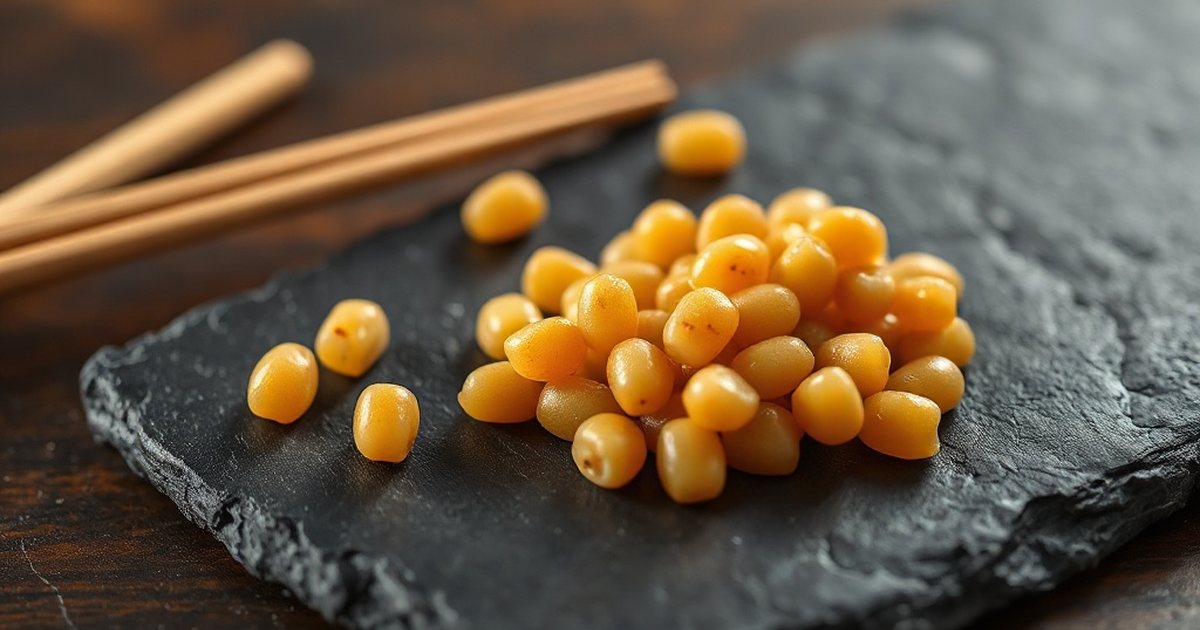
Natto is a traditional Japanese food made from whole soybeans fermented with Bacillus subtilis var. natto. The fermentation process, which typically lasts 15 to 24 hours at warm temperatures, is precisely what generates nattokinase within the soybean matrix. The resulting product has a sticky, stringy texture and a pungent, earthy flavour that many people find challenging, particularly those unfamiliar with it.
Natto is consumed regularly in Japan, particularly in the eastern Kanto region, where it is often eaten at breakfast served over rice, sometimes with soy sauce, mustard, or green onions. It is considered a staple functional food in Japanese dietary culture and is widely available in Japanese grocery stores and many Asian supermarkets internationally.
How Much Nattokinase Does Natto Contain?
The nattokinase content of natto is measured in fibrinolytic units (FU), sometimes also called nattokinase units (NK units). A typical serving of natto, which is approximately 100 grams, is generally reported in the scientific literature to provide meaningful amounts of active enzyme, though exact values vary depending on the fermentation batch, brand, storage conditions, and preparation method. Research published in peer-reviewed journals has estimated that a standard 100-gram serving can deliver quantities consistent with doses used in some clinical studies, though it is important to note that commercial natto products are not standardized the way supplements are.
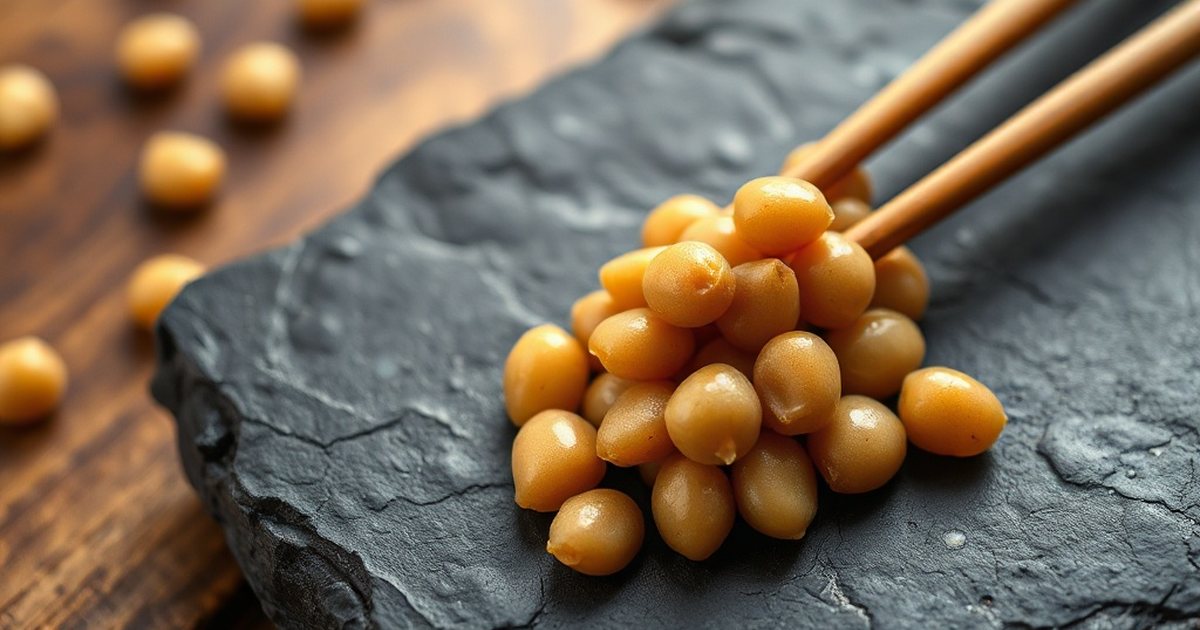

Heating natto significantly degrades or destroys nattokinase activity, since like all enzymes, nattokinase is heat-sensitive. Cooking natto, adding it to hot soups, or mixing it into dishes at high temperatures will reduce or eliminate its enzymatic activity. Consuming it raw or at room temperature preserves more of the active enzyme.
Other Fermented Soy Foods: Do They Contain Nattokinase?
A common question is whether other fermented soy products, such as miso, tempeh, or soy sauce, also contain nattokinase. The answer is largely no, or at least not in meaningful amounts. The reason is specificity: nattokinase is produced only by Bacillus subtilis var. natto, and most other fermented soy foods use different microbial cultures.
- Miso is fermented primarily with Aspergillus oryzae (koji mold) rather than Bacillus subtilis var. natto, so it does not generate nattokinase.
- Tempeh is fermented with Rhizopus oligosporus, again a different organism, and does not produce nattokinase.
- Soy sauce undergoes a complex fermentation involving both molds and yeasts, but not the natto bacterium, so nattokinase is not present.
- Doenjang, a Korean fermented soybean paste, is an interesting partial exception. Some research has identified Bacillus subtilis strains in doenjang that may produce fibrinolytic enzymes similar to nattokinase, though the activity and the specific enzyme profile differ from Japanese natto. This area of research is still developing.
- Cheonggukjang, another Korean fermented soybean product with a shorter fermentation time, has also been studied for fibrinolytic activity and may contain some nattokinase-like enzymes, though it is distinct from standard natto.
Top Food Sources of Nattokinase at a Glance
| Food | Fermentation Organism | Nattokinase Present? | Practical Notes |
|---|---|---|---|
| Natto (Japanese fermented soybeans) | Bacillus subtilis var. natto | Yes, primary source | Eat raw or at room temperature to preserve enzyme activity |
| Cheonggukjang (Korean) | Bacillus subtilis strains | Possibly, limited data | Shorter fermentation; fibrinolytic activity reported but not standardized |
| Doenjang (Korean fermented paste) | Mixed, includes some Bacillus | Trace or uncertain | Research ongoing; enzyme activity lower than natto |
| Miso | Aspergillus oryzae | No | Different fermentation organism entirely |
| Tempeh | Rhizopus oligosporus | No | Nutritious food but not a nattokinase source |
| Soy sauce | Mixed mold and yeast cultures | No | Enzymatic activity is largely lost in processing |
Dietary Factors That May Support the Body’s Own Fibrinolytic Activity
Since foods high in nattokinase are so limited, it is worth considering whether certain dietary patterns can support the body’s own natural fibrinolytic mechanisms, even if they do not provide nattokinase directly. The body produces its own fibrinolytic enzymes, such as plasmin, through endogenous pathways.
- Omega-3 fatty acids from oily fish, flaxseed, and walnuts have been associated in observational research with healthier platelet function and circulation, though this is not the same as nattokinase activity.
- Garlic and onions contain compounds such as allicin and quercetin that have been studied for their potential effects on platelet aggregation and blood fluidity, though again the mechanisms differ from nattokinase.
- Vitamin K2, found in natto in particularly high amounts (as MK-7), is another reason natto stands out nutritionally beyond nattokinase itself. K2 plays a role in vascular calcification regulation.
- Bromelain and papain, proteolytic enzymes from pineapple and papaya respectively, are sometimes discussed alongside nattokinase in the context of systemic enzyme support, though they are distinct enzymes with different activity profiles.
To understand how nattokinase compares to other approaches in supporting cardiovascular wellness, visit our research overview.
Who May Struggle to Get Enough from Diet Alone
The honest answer is that most people outside Japan consume little to no natto regularly. Natto’s strong smell, unusual texture, and unfamiliar flavour make consistent consumption challenging for many Western consumers. Even in Japan, natto consumption is regionally skewed, with people in western Japan eating it far less frequently than those in eastern regions.
People who may particularly struggle to meet meaningful intakes through diet alone include:
- Those with soy allergies or intolerances, for whom natto is entirely off the table
- Individuals following diets that restrict fermented foods
- Anyone on warfarin or other anticoagulant medications, for whom both nattokinase and the high vitamin K content in natto present clinical considerations requiring medical supervision
- People without access to Japanese grocery stores or specialty food shops
- Those who simply cannot tolerate natto’s sensory characteristics
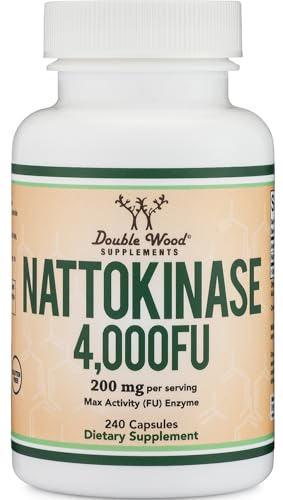
For these individuals, supplemental nattokinase, typically standardized to a specific FU count per capsule, represents the most practical way to obtain consistent amounts. For guidance on what to look for in a quality product, see our supplement guide.
How Dietary Sources Compare to Supplements
The key practical difference between eating natto and taking a nattokinase supplement is standardization and predictability. A commercial nattokinase supplement will list its enzyme activity on the label, often expressed in fibrinolytic units, allowing users to know exactly what they are getting. A serving of natto, while genuinely containing nattokinase, will vary batch to batch and is sensitive to temperature, storage time, and preparation method.
Natto, however, provides a broader nutritional package alongside nattokinase, including high levels of vitamin K2 as MK-7, protein, isoflavones, and prebiotic fiber. Supplements deliver isolated enzyme activity without those co-factors, which may or may not matter depending on why someone is using them. Regulatory bodies such as the National Institutes of Health Office of Dietary Supplements note that research on nattokinase is still growing and that most clinical evidence comes from studies using standardized supplements rather than whole food interventions.
Neither dietary natto nor supplements should be started without discussion with a healthcare provider, particularly by individuals taking blood-thinning medications or those with existing cardiovascular conditions. This article is for general informational purposes only and does not constitute medical advice.
Frequently Asked Questions
Are there any foods other than natto that are genuinely high in nattokinase?
Not in any clinically meaningful or well-established way. Natto is the singular primary dietary source of nattokinase because it is the only widely available food fermented specifically with Bacillus subtilis var. natto, the organism that produces this enzyme. Some Korean fermented soybean products may contain related fibrinolytic enzymes, but the evidence base for these as significant nattokinase sources is much thinner than for natto.

Does cooking natto destroy the nattokinase?
Yes, heat is a significant concern. Nattokinase is a protein-based enzyme and is denatured by high temperatures. Consuming natto in its traditional raw form, at room temperature or chilled, preserves the most enzymatic activity. Adding natto to hot rice, soups, or cooked dishes is likely to reduce or eliminate active nattokinase, though the food retains its other nutritional benefits.
Can I get enough nattokinase from diet if I eat natto regularly?
Regular natto consumption is associated with meaningful nattokinase intake, and Japanese population studies have used dietary natto habits as a proxy for nattokinase exposure. However, the exact activity delivered per serving is variable and not standardized. People who enjoy natto and consume it several times per week are obtaining genuine dietary nattokinase, which is likely relevant to the cardiovascular health outcomes observed in some Japanese population studies.
Is nattokinase safe for everyone who eats natto?
Natto is generally considered safe for healthy adults who are not on anticoagulant medications. The combination of active nattokinase and very high vitamin K2 content means natto is a food that warrants particular caution for people taking warfarin, as both components can interact with anticoagulation therapy. Anyone in this situation should speak with their prescribing physician before incorporating natto or nattokinase supplements into their routine.
Why do most nattokinase studies use supplements rather than food?
Standardization is the primary reason. Clinical researchers need to know the precise dose of active enzyme being administered in order to draw meaningful conclusions. Natto as a whole food varies in its nattokinase content depending on fermentation batch, brand, storage, and preparation. Supplements allow researchers to deliver a known, reproducible amount of enzyme activity, which makes it much easier to study dose-response relationships and draw comparisons across studies.
These statements have not been evaluated by the Food and Drug Administration. This information is not intended to diagnose, treat, cure, or prevent any disease. Content is for informational purposes only and is not medical advice; consult a qualified healthcare provider before starting any supplement. As an Amazon Associate we earn from qualifying purchases.
