In 1987, a Japanese researcher working at a laboratory in Chicago made an observation that would quietly reshape interest in food-derived enzymes and cardiovascular health. Dr. Hiroyuki Sumi, then studying natural thrombolytic compounds at the University of Chicago Medical School, placed a small amount of natto — a traditional Japanese fermented soybean food — onto a laboratory fibrin clot. What happened next became one of the more cited origin stories in functional food research.
The enzyme Sumi identified and named nattokinase is a serine protease produced by Bacillus subtilis natto during fermentation. It degrades fibrin directly and appears to upregulate the body’s own plasminogen activators, giving it measurable fibrinolytic activity in laboratory and human settings. This article traces the history of that discovery, explains the proposed mechanism in plain terms, and is honest about where the evidence is strong and where it remains preliminary.
Key Takeaways
- Dr. Hiroyuki Sumi discovered nattokinase in 1987 while testing natto on a laboratory fibrin clot, observing rapid dissolution at body temperature.
- Nattokinase is a serine protease produced by Bacillus subtilis natto fermentation; it breaks down fibrin directly and upregulates the body’s own plasminogen activators.
- Small human trials have shown modest effects on coagulation markers and blood pressure, but long-term cardiovascular outcomes data does not yet exist.
- Nattokinase must not be combined with warfarin, heparin, aspirin, clopidogrel, or other anticoagulants or antiplatelets without physician supervision due to serious bleeding risk.
- The FDA has not evaluated nattokinase for treating, curing, or preventing any disease; this article is informational, not medical advice.
Who Was Dr. Hiroyuki Sumi?
Dr. Hiroyuki Sumi was a Japanese biochemist with a research focus on thrombolytic — clot-dissolving — enzymes. During the 1980s, he was associated with the University of Chicago Medical School, where he was investigating naturally occurring substances capable of breaking down fibrin, the protein that forms the structural mesh of blood clots. His work sat at the intersection of enzymology and cardiovascular biology, fields that were drawing significant interest as researchers sought alternatives or complements to pharmaceutical thrombolytics.
Sumi brought to this work a familiarity with natto, a fermented soybean preparation long consumed in Japan, particularly in the Kanto and Tohoku regions. Natto has a distinctive sticky texture and strong flavor produced by Bacillus subtilis natto fermentation, and it had been part of the Japanese diet for centuries. Sumi’s insight was to ask whether the fermentation process itself might produce enzymes with biological activity beyond nutrition — a question that turned out to have a concrete answer.
The 1987 Discovery: An Observation in the Lab
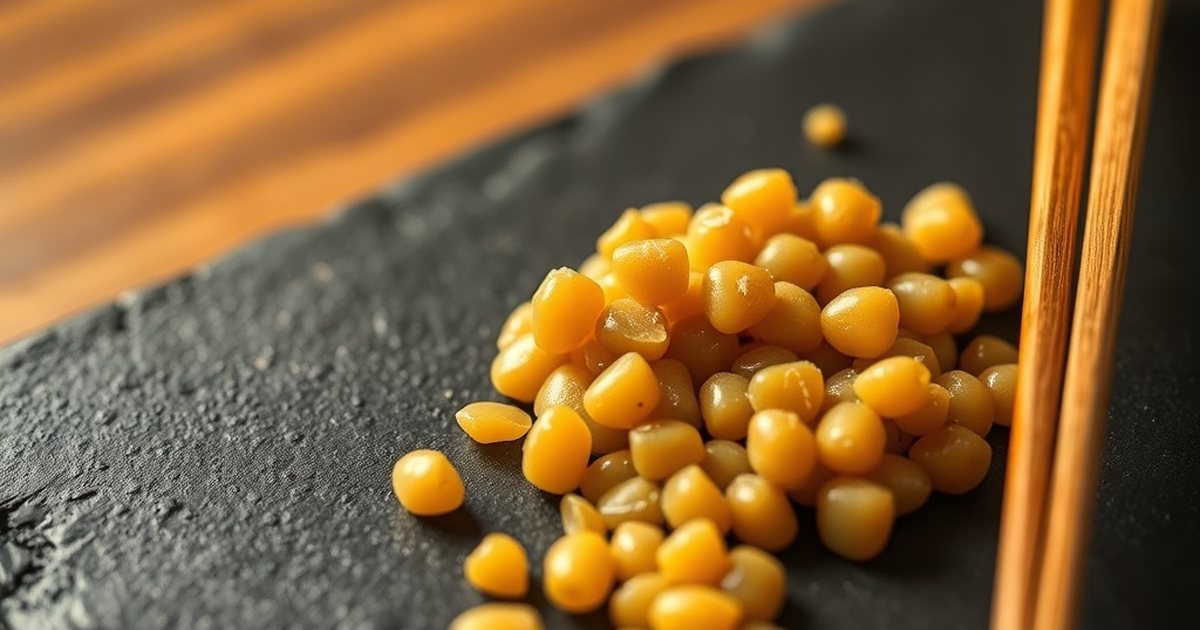
The discovery is often described as partially accidental, in the tradition of many productive scientific observations. According to accounts Sumi himself gave in subsequent interviews and publications, he placed natto directly onto a laboratory fibrin clot and left it at body temperature (37°C). Within roughly 18 hours, the clot had dissolved — a rate he described as far exceeding what other food-derived substances he had tested had produced. The effect was striking enough that Sumi named the responsible enzyme ‘nattokinase,’ using the ‘-kinase’ suffix loosely to describe its thrombus-dissolving activity, though technically it functions as a protease rather than a true kinase.
Sumi’s initial publication in 1987 described the enzyme’s fibrinolytic activity and its extraction from natto. This work established the foundational characterization: nattokinase is a serine protease — meaning it uses a serine residue at its active site to cleave peptide bonds — with a molecular weight of approximately 27,700 daltons. It acts on fibrin directly and also appears to stimulate the body’s intrinsic fibrinolytic system by promoting plasminogen activators. The 1987 paper gave researchers a reproducible starting point, and the subsequent decades brought increasing interest in whether laboratory fibrinolysis translated to meaningful human health effects.

Why Natto? The Role of Bacillus subtilis Fermentation
Natto is produced by fermenting cooked soybeans with Bacillus subtilis natto, a bacterial strain that has been used in Japanese food preparation for over a thousand years. The fermentation process does more than preserve the soybeans — it generates a range of enzymes and bioactive compounds as metabolic byproducts of bacterial activity. Nattokinase is one such byproduct: the bacteria produce it as part of their own biochemical processes, and it accumulates in significant concentrations in the finished food.
Other fermented foods also contain proteolytic enzymes, but nattokinase from B. subtilis natto appears to have a particularly favorable combination of fibrin specificity, thermal stability, and oral bioavailability compared to many other food-derived enzymes. Sumi’s work helped explain why populations with high natto consumption had drawn epidemiological attention in Japan, though establishing causation from dietary patterns to cardiovascular outcomes remains methodologically difficult and was not something the 1987 discovery claimed to do.
The enzyme survives the gastrointestinal environment well enough to retain activity — a practical requirement for any orally consumed enzyme intended to act systemically. Research since Sumi’s initial work has examined absorption, stability at various pH levels, and whether nattokinase intact or in fragments reaches the bloodstream. The evidence suggests meaningful absorption occurs, though the complete pharmacokinetics are still being characterized.
The Proposed Mechanism: How Nattokinase Works
Nattokinase works through at least two complementary pathways. First, it acts directly on fibrin by cleaving specific peptide bonds within the fibrin mesh, physically breaking down clot material. Second, it appears to upregulate tissue plasminogen activator (t-PA) and urokinase, enzymes the body naturally uses to dissolve clots, while also degrading plasminogen activator inhibitor type 1 (PAI-1), a molecule that otherwise suppresses fibrinolysis. The net effect is both a direct fibrinolytic action and an amplification of the body’s own clot-clearing machinery.
As a serine protease, nattokinase shares structural and mechanistic features with other enzymes in this class, including plasmin and the bacterial enzyme subtilisin from which it derives. Its substrate specificity — the molecular ‘targets’ it prefers to cleave — makes it relatively selective for fibrin over other plasma proteins, though it is not perfectly selective. This selectivity is relevant to both its potential utility and its safety profile.
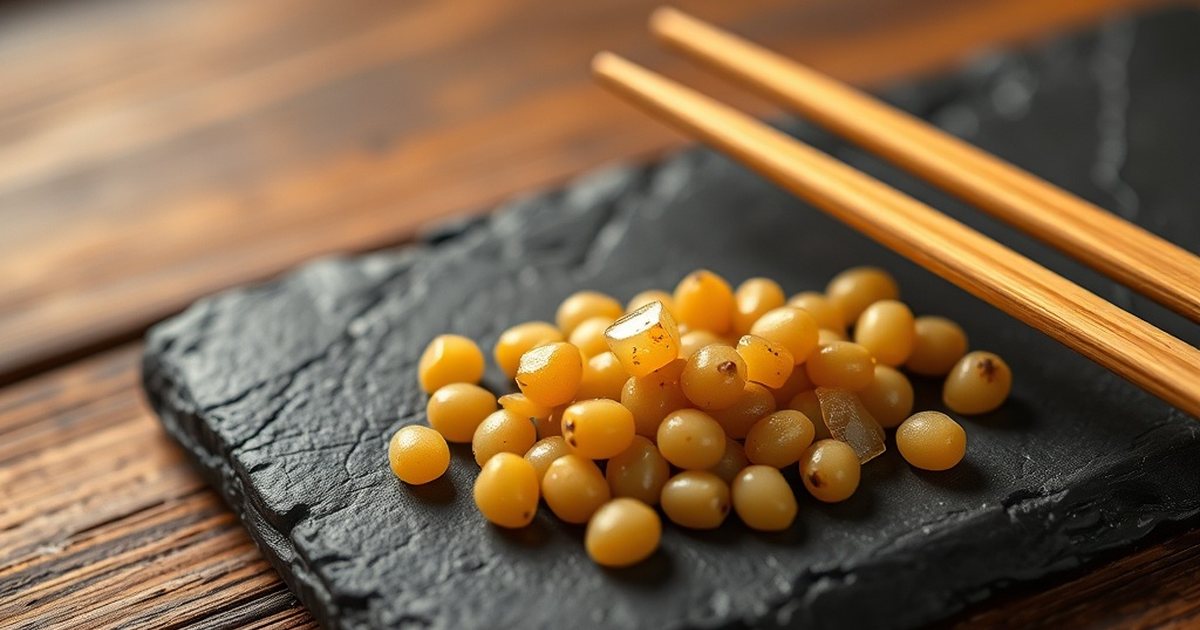
Researchers have also examined nattokinase’s effects on platelet aggregation and blood viscosity. Some small human trials have reported modest reductions in systolic and diastolic blood pressure, as well as changes in markers of coagulation. Because these trials are generally small, short in duration, and vary in dosing protocol, the findings are suggestive rather than definitive. The FDA has not approved nattokinase for treating, preventing, or curing any disease.
From Discovery to Supplement: The Decades After 1987
Sumi’s 1987 finding generated a body of follow-on research spanning in vitro studies, animal models, and eventually small randomized human trials. The enzyme was extracted, purified, and eventually produced at scale for dietary supplement use. Standardization became an important consideration: nattokinase activity is measured in Fibrinolytic Units (FU) or nattokinase units (NKU), and products on the market vary considerably in their stated potency.
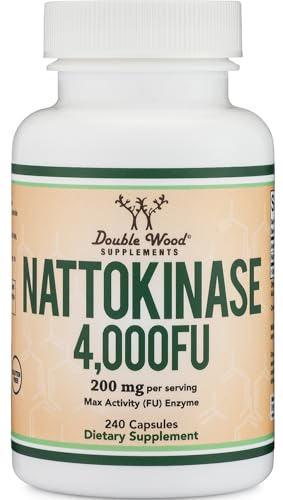
Interest in nattokinase grew notably in Western markets during the 1990s and 2000s as consumers sought alternatives and adjuncts to pharmaceutical cardiovascular interventions. This commercialization ran ahead of the clinical evidence base — a pattern common in the supplement industry. The honest picture is that nattokinase has demonstrated real fibrinolytic activity in rigorous in vitro and ex vivo models, and some human trials have shown statistically significant effects on coagulation markers and blood pressure, but the trials are small and the long-term cardiovascular outcomes data that would satisfy regulatory or clinical practice standards does not yet exist.
Sumi continued contributing to nattokinase research and became a prominent advocate for natto’s health properties in Japan. His original discovery gave the field a credible biochemical foundation, and that foundation remains the basis for ongoing investigation into nattokinase’s therapeutic potential.
Safety, Interactions, and Honest Caveats
Because nattokinase has genuine fibrinolytic and antiplatelet activity, it carries real interaction risks that should not be minimized by framing it as simply a food-derived supplement. Combining nattokinase with anticoagulants — warfarin, heparin, direct oral anticoagulants — or antiplatelet medications such as aspirin or clopidogrel without physician supervision creates a meaningful risk of excess bleeding. This is not a theoretical concern: the mechanism by which nattokinase works is precisely the mechanism by which these interactions become dangerous.
Anyone scheduled for surgery or a procedure should discontinue nattokinase at least one week in advance, consistent with the general guidance applied to supplements with anticoagulant or antiplatelet activity. People with bleeding disorders, a history of hemorrhagic stroke, or active bleeding should not use nattokinase. Pregnant or breastfeeding individuals should consult a physician before use, as human safety data in these populations is not available. As with any supplement, the absence of FDA approval for treating disease means product quality and dosing vary — selecting products from manufacturers with third-party testing and transparent FU labeling is advisable.
🛒 Where to Buy Nattokinase
- Doctor’s Best Nattokinase 2,000 FULab-tested / studied
capsules, 100 mg NSK-SD per vcap (2,000 FU) — Most widely referenced brand in clinical and integrative medicine contexts; uses Japan Bio Science Laboratory NSK-SD ingredient; vegetarian capsules; 90 count - NOW Foods Nattokinase 100 mg
capsules, 100 mg per vcap (2,000 FU) — Mainstream GMP-certified brand; affordable entry-level option; 90 vcaps; widely available - Source Naturals Nattokinase 100 mg
capsules, 100 mg per tablet (2,000 FU) — Long-established supplement brand; competitive pricing at 60 tablets; good for budget-conscious buyers familiar with the brand - Healthy Origins Nattokinase 2,000 FU
capsules, 100 mg per vcap (2,000 FU) — Best cost-per-serving option on Amazon; 180 vcap bottle; uses NSK-SD ingredient; popular bulk buy for long-term users
As an Amazon Associate we earn from qualifying purchases. Nattokinase is sold on an enzymatic activity claim, and independent testing has repeatedly found bottles delivering well under their labelled potency. Check that the label states fibrinolytic units (FU) per capsule rather than milligrams alone, and prefer a brand that will supply a batch-specific certificate of analysis showing the measured FU result for that lot, since GMP certification alone does not verify it.
A Note on the Evidence
The evidence supporting nattokinase’s human health benefits comes primarily from small, short-duration trials, and the FDA has not approved it for any medical use; this article is informational only and does not constitute medical advice. Nattokinase has meaningful fibrinolytic and antiplatelet activity and must not be used alongside anticoagulants or antiplatelet medications without physician supervision, and it should be discontinued at least one week before any surgical or invasive procedure.

Frequently Asked Questions
When exactly did Dr. Sumi discover nattokinase?
Dr. Hiroyuki Sumi published his initial findings on nattokinase in 1987. The discovery followed laboratory experiments in which he placed natto on a fibrin clot and observed dissolution within approximately 18 hours at body temperature, leading him to identify and name the responsible enzyme.
What does nattokinase actually do in the body?
Nattokinase is a serine protease that cleaves fibrin directly, breaking down the protein mesh of blood clots. It also appears to upregulate tissue plasminogen activator and urokinase while degrading plasminogen activator inhibitor type 1, amplifying the body’s own fibrinolytic system. These mechanisms have been characterized in laboratory and some human studies, though clinical outcomes evidence remains limited.
Is nattokinase the same as eating natto?
Nattokinase is an enzyme found in natto, the fermented soybean food, and is also available as a concentrated dietary supplement measured in Fibrinolytic Units or nattokinase units. Eating natto provides nattokinase alongside other nutrients and compounds in the whole food, while supplements deliver isolated enzyme at standardized (though variable) potencies. The two are related but not interchangeable from a dosing perspective.
Can I take nattokinase with my blood thinner?
No, not without physician supervision. Nattokinase has real fibrinolytic and antiplatelet activity, and combining it with anticoagulants such as warfarin or heparin, or antiplatelet agents such as aspirin or clopidogrel, significantly increases the risk of bleeding. Consult your prescribing physician before adding nattokinase to any regimen that includes these medications.
Has nattokinase been approved by the FDA for any condition?
No. The FDA has not evaluated nattokinase for treating, curing, or preventing any disease. It is sold as a dietary supplement in the United States, not as a drug. Supplement manufacturers are not permitted to make disease treatment claims, and the clinical evidence base, while suggestive, does not meet the standard required for pharmaceutical approval.
Why is the discovery called a 'breakthrough' if the evidence is still limited?
Sumi’s 1987 work was a genuine scientific contribution because it identified and characterized a specific enzyme with measurable fibrinolytic activity derived from a widely consumed traditional food. That characterization gave researchers a reproducible target for study. Calling the human health evidence ‘limited’ is accurate — small, short-term trials are not the same as large randomized controlled trials — but it does not diminish the biochemical validity of the original discovery, which has been consistently replicated.

These statements have not been evaluated by the Food and Drug Administration. This information is not intended to diagnose, treat, cure, or prevent any disease. Content is for informational purposes only and is not medical advice; consult a qualified healthcare provider before starting any supplement. As an Amazon Associate we earn from qualifying purchases.
