Nattokinase and serrapeptase are both proteolytic enzymes marketed for cardiovascular and anti-inflammatory support, and supplement brands increasingly sell them together in a single capsule. The appeal is intuitive: if each enzyme breaks down fibrin and other proteins through its own mechanism, stacking them might produce a stronger or broader effect than either alone. That logic deserves scrutiny before anyone acts on it.
This article explains what each enzyme does, where their mechanisms overlap and differ, what the current evidence actually supports (and does not), and the safety considerations that make this combination genuinely risky for certain people. No PMIDs are cited here because no peer-reviewed human trials on this specific combination were provided for reference; claims about synergy remain theoretical unless otherwise noted.
Key Takeaways
- Nattokinase degrades fibrin directly and also activates the body’s own plasmin system; serrapeptase works through direct proteolytic digestion of fibrin and inflammatory proteins via distinct mechanisms.
- The synergy argument for combining them is mechanistically plausible but has not been tested in human clinical trials—any strong efficacy claim about the stack goes beyond current evidence.
- Both enzymes have fibrinolytic activity; combining them raises legitimate additive bleeding risk, especially alongside warfarin, aspirin, clopidogrel, or other anticoagulants.
- Discontinue both supplements at least one week before surgery and discuss with your physician; do not substitute either enzyme for prescribed blood thinners without medical guidance.
- When choosing a product, look for FU activity labeling for nattokinase, enteric-coated serrapeptase, and third-party quality verification—milligram weight alone is not a reliable potency indicator.
What Nattokinase Is and How It Works
Nattokinase is a serine protease extracted from natto, a traditional Japanese food made by fermenting soybeans with Bacillus subtilis. Unlike most dietary proteins, nattokinase survives partial digestion and reaches the bloodstream in a biologically active form, at least in animal models and some human pharmacokinetic studies. Once circulating, it degrades fibrin directly by cleaving specific peptide bonds within the fibrin mesh that forms blood clots.
Beyond direct fibrinolysis, nattokinase appears to upregulate the body’s own clot-dissolving system. It stimulates production of tissue plasminogen activator (tPA) and urokinase-type plasminogen activator (uPA), which convert circulating plasminogen into plasmin, the enzyme the body normally uses to break down clots. Nattokinase also has measurable antiplatelet activity, meaning it may reduce platelet aggregation independently of its fibrinolytic effects. Small randomized trials have shown modest reductions in blood pressure and improvements in fibrinolytic markers, though most are short-term and involve relatively small participant counts.
The FDA has not evaluated nattokinase as a treatment, cure, or preventive for any disease. It is sold in the United States as a dietary supplement, not a drug, and the evidence base—while promising in early studies—does not yet meet the standard required for a clinical recommendation.
What Serrapeptase Is and How It Works
Serrapeptase (also called serratiopeptidase) is a serine protease originally isolated from the bacterium Serratia marcescens found in the gut of the silkworm Bombyx mori. The silkworm uses the enzyme to dissolve its cocoon, and researchers identified its ability to break down non-living protein structures. It is now produced through microbial fermentation and sold as an oral supplement, most commonly in enteric-coated form to protect it from stomach acid.
Serrapeptase digests fibrin, mucoproteins, and necrotic tissue but does not directly stimulate the plasminogen activator pathway the way nattokinase does. Its proposed anti-inflammatory effects stem partly from its ability to break down bradykinin and other pain-mediating proteins, and from degrading the fibrin scaffold that can wall off areas of chronic inflammation. Some European and Japanese clinical research has examined serrapeptase for post-surgical swelling and sinusitis, though evidence quality is inconsistent and regulatory acceptance varies widely by country.


Like nattokinase, serrapeptase is not FDA-approved to treat any condition, and the human trial data is limited in scale and duration. Enteric coating matters significantly for oral bioavailability because stomach acid inactivates the enzyme.
The Case for Combining Them: Proposed Mechanisms of Synergy
The rationale offered for stacking nattokinase and serrapeptase is that their fibrinolytic mechanisms are partly complementary. Nattokinase works both directly on fibrin and indirectly by amplifying the body’s own plasmin-generating system. Serrapeptase works primarily through direct proteolytic digestion of fibrin and inflammatory proteins without meaningfully activating the plasminogen pathway. In theory, combining them could produce additive fibrinolytic activity through two distinct routes simultaneously.
Serrapeptase’s additional ability to break down mucoproteins and necrotic debris is sometimes cited as a reason to stack it with nattokinase in protocols aimed at reducing biofilm or clearing areas of chronic inflammation. Nattokinase’s antiplatelet activity adds a third mechanism not shared by serrapeptase. Proponents argue this creates a broader enzymatic profile than either supplement alone.
It is important to be clear: there are no published human clinical trials specifically studying the nattokinase-serrapeptase combination as a paired intervention. The synergy argument is mechanistically plausible but remains theoretical. Anyone making strong efficacy claims about this specific stack is going beyond what current evidence supports.
Risks and Contraindications: Where This Gets Serious
Both enzymes have fibrinolytic and, in nattokinase’s case, antiplatelet activity. Combining two fibrinolytic agents produces a reasonable concern about additive or synergistic bleeding risk. This concern becomes significantly more serious when either enzyme is used alongside pharmaceutical anticoagulants or antiplatelets. Nattokinase must not be combined with warfarin, heparin, aspirin, clopidogrel, rivaroxaban, apixaban, or similar agents without direct physician supervision. The same caution logically extends to serrapeptase given its fibrinolytic action. For someone already on blood thinners, adding either supplement—let alone both—could increase bleeding risk unpredictably.
People scheduled for surgery should discontinue both supplements. At minimum, nattokinase should be stopped at least one week before any surgical or dental procedure. Consulting the treating physician or surgeon about serrapeptase on the same timeline is prudent. Spontaneous bleeding events, though not commonly reported in trial data, are a theoretical concern that warrants caution given the limited long-term safety data.
Other populations who should consult a physician before using this combination include anyone with a bleeding disorder, a history of hemorrhagic stroke, peptic ulcers, or active gastrointestinal bleeding. Pregnancy and breastfeeding represent additional caution categories where human safety data is essentially absent. People taking fish oil, vitamin E, or other supplements with antiplatelet properties should also factor those into the cumulative picture.

What to Look for in Combination Products
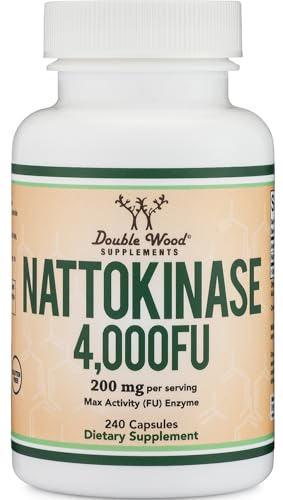
If someone decides to use a nattokinase-serrapeptase combination product after reviewing the risks with a healthcare provider, product quality matters considerably. For nattokinase, activity is measured in fibrinolytic units (FU); typical human trial doses have ranged from roughly 1,000 to 10,800 FU per day, though optimal dosing for any specific purpose has not been established. Look for products that list FU activity rather than milligrams alone, since milligrams without activity units tell you nothing useful about potency.
For serrapeptase, activity is measured in serrapeptase units (SPU) or international units (IU). Enteric coating is not optional—it is necessary for the enzyme to survive stomach acid and reach the small intestine where it can be absorbed. Products that do not specify enteric coating for their serrapeptase component should be viewed skeptically.
Third-party testing by organizations such as NSF International, USP, or ConsumerLab provides meaningful quality assurance that the product contains what the label claims and is free from heavy metal contamination. This matters particularly for enzyme supplements, where activity can be degraded by poor manufacturing conditions or storage. A product listing both FU and SPU activity, using enteric delivery for the serrapeptase component, and carrying third-party verification gives the most confidence in what you are actually taking.
Honest Summary of Where the Evidence Stands
Nattokinase has a more developed human evidence base than serrapeptase. Small randomized controlled trials have documented fibrinolytic effects in human plasma and modest blood pressure reductions. These are real signals, but the trials are short-term, involve small numbers of participants, and have not yet established optimal doses, long-term safety profiles, or which patient populations benefit most.
Serrapeptase’s human evidence is thinner and more contested. Some European studies suggest benefit for post-surgical swelling and sinus conditions; other reviews characterize the evidence as insufficient for clinical conclusions. The combination has not been studied as a paired intervention in human trials at all.
Anyone approaching this stack should do so with realistic expectations: it is not a proven cardiovascular therapy, it is not a replacement for prescribed anticoagulation, and it carries real risks that are easy to underestimate because both products are sold over the counter as supplements. The most responsible path is a conversation with a physician who knows your full medication list before starting.
🛒 Where to Buy Nattokinase
- Doctor’s Best Nattokinase 2,000 FULab-tested / studied
capsules, 100 mg NSK-SD per vcap (2,000 FU) — Most widely referenced brand in clinical and integrative medicine contexts; uses Japan Bio Science Laboratory NSK-SD ingredient; vegetarian capsules; 90 count - NOW Foods Nattokinase 100 mg
capsules, 100 mg per vcap (2,000 FU) — Mainstream GMP-certified brand; affordable entry-level option; 90 vcaps; widely available - Source Naturals Nattokinase 100 mg
capsules, 100 mg per tablet (2,000 FU) — Long-established supplement brand; competitive pricing at 60 tablets; good for budget-conscious buyers familiar with the brand - Healthy Origins Nattokinase 2,000 FU
capsules, 100 mg per vcap (2,000 FU) — Best cost-per-serving option on Amazon; 180 vcap bottle; uses NSK-SD ingredient; popular bulk buy for long-term users
As an Amazon Associate we earn from qualifying purchases. Nattokinase is sold on an enzymatic activity claim, and independent testing has repeatedly found bottles delivering well under their labelled potency. Check that the label states fibrinolytic units (FU) per capsule rather than milligrams alone, and prefer a brand that will supply a batch-specific certificate of analysis showing the measured FU result for that lot, since GMP certification alone does not verify it.


A Note on the Evidence
Most human research on nattokinase consists of small, short-term trials, and serrapeptase’s evidence base is similarly limited; no clinical trial has studied the two together as a combination. Anyone with a bleeding disorder, cardiovascular disease, history of stroke, or current use of anticoagulant or antiplatelet medications should consult a physician before using either supplement, and must not use both without medical guidance. This article is informational and does not constitute medical advice.
Frequently Asked Questions
Do nattokinase and serrapeptase work the same way?
No. Nattokinase degrades fibrin directly and also stimulates the body’s plasminogen activator system, while also reducing platelet aggregation. Serrapeptase works through direct proteolytic digestion of fibrin, mucoproteins, and necrotic tissue without meaningfully activating the plasminogen pathway. Their mechanisms overlap in outcome but differ in route.
Is there clinical proof that taking both together is more effective than taking one alone?
No human clinical trials have tested the nattokinase-serrapeptase combination as a paired intervention. The synergy rationale is based on mechanistic reasoning from studies of each enzyme individually, not from direct evidence of their combined efficacy.
Can I take this combination if I am already on blood thinners?
No, not without explicit physician approval. Nattokinase has documented fibrinolytic and antiplatelet activity; combining it with warfarin, heparin, aspirin, clopidogrel, or direct oral anticoagulants could increase bleeding risk unpredictably. The same caution applies to serrapeptase given its fibrinolytic properties.
Why does serrapeptase need to be enteric coated?
Serrapeptase is a protein-based enzyme that is inactivated by stomach acid. Without an enteric coating that resists dissolving until the pill reaches the less acidic environment of the small intestine, the enzyme is destroyed before it can be absorbed. Products without enteric coating for their serrapeptase component are unlikely to deliver active enzyme to the bloodstream.
How soon before surgery should I stop taking these supplements?
Nattokinase should be discontinued at least one week before any surgical or dental procedure due to its fibrinolytic and antiplatelet effects. Applying the same one-week timeline to serrapeptase is a reasonable precaution. Always inform your surgeon or anesthesiologist about all supplements you take.
Are these supplements FDA approved?
Neither nattokinase nor serrapeptase is FDA-approved to treat, cure, or prevent any disease. Both are sold in the United States as dietary supplements under regulations that do not require proof of efficacy before sale. The FDA has not evaluated either enzyme for therapeutic use.
These statements have not been evaluated by the Food and Drug Administration. This information is not intended to diagnose, treat, cure, or prevent any disease. Content is for informational purposes only and is not medical advice; consult a qualified healthcare provider before starting any supplement. As an Amazon Associate we earn from qualifying purchases.
